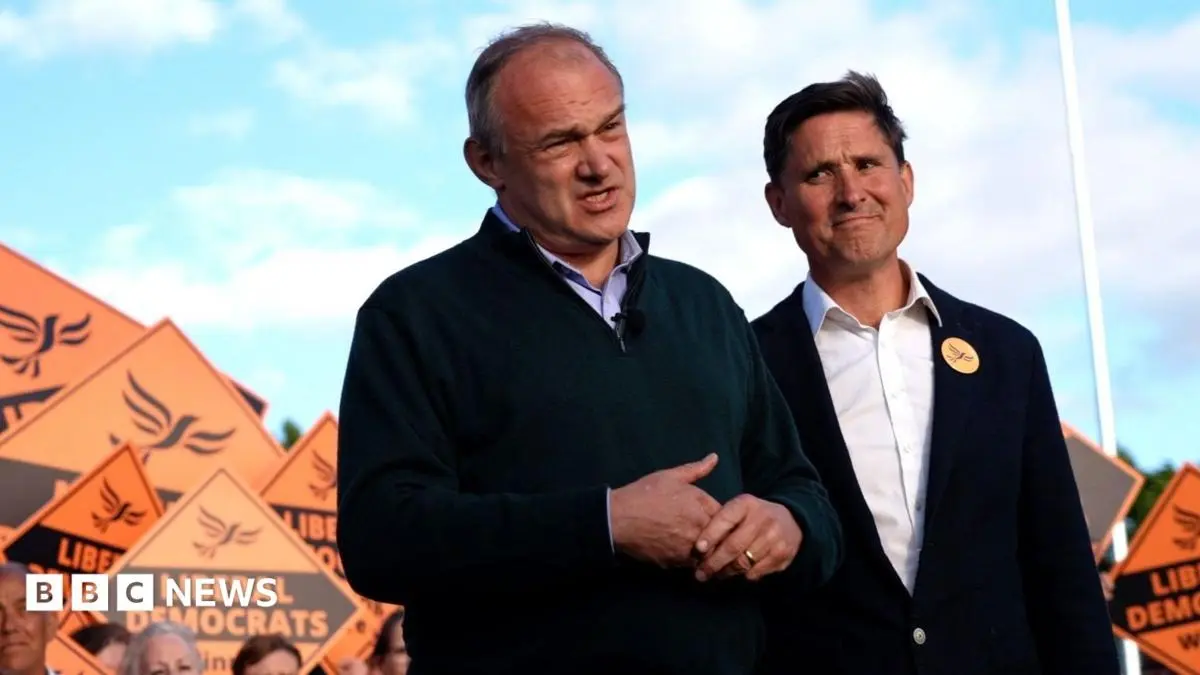
The issue became a point of contention last week when Sir Ed strongly criticized an announcement by Andy Burnham, the Labour Mayor of Greater Manchester, who suggested that the triple lock should be adjusted. Sir Ed argued that any move to modify or weaken the triple lock would put more pensioners into poverty. He sought to defend the policy by framing it as a long-term benefit for younger people, arguing that this would mean people who are working hard now—the millennials—when they retire would have a very poor pension.
This defense of the triple lock did not sit well with several of Sir Ed’s own MPs, who publicly and privately challenged his reasoning. One Liberal Democrat MP went so far as to describe the leader’s argument as nonsense. Another backbencher highlighted the disconnect between the leadership’s messaging and the economic reality perceived by younger voters, pointing out that most millennials do not think there will be a state pension when they retire, so this is not being done with them in mind. The internal backlash suggests a deeper philosophical divide within the party over how to balance the interests of the older, affluent voters who helped them win seats in the Blue Wall with those of younger generations who face high housing costs and stagnant real wages.
The criticism from the parliamentary party follows earlier warnings from local government figures who have expressed concern about the party’s overall trajectory. Last month, Julian Brazil, the Liberal Democrat leader of Devon County Council, went public with his frustrations, warning that the party was sleepwalking into irrelevance and openly questioning whether Sir Ed was the right person to lead them forward. Speaking to the BBC, Brazil argued that the Liberal Democrats were lacking ambition and had allowed other parties to go steaming past them in terms of setting the national political agenda and presenting a bold vision for the country.
The resignation of Charlie Maynard from the frontbench indicates that these concerns are no longer confined to local government or private grumbles among backbenchers. By stepping down from the Treasury portfolio and calling for a change in leadership, Maynard has brought the debate over Sir Ed’s future directly to the fore. While the party leadership insists that the vast majority of MPs remain firmly behind Sir Ed, the public emergence of a dissenting faction suggests that the post-election unity the party enjoyed during the summer is facing its most significant test yet.