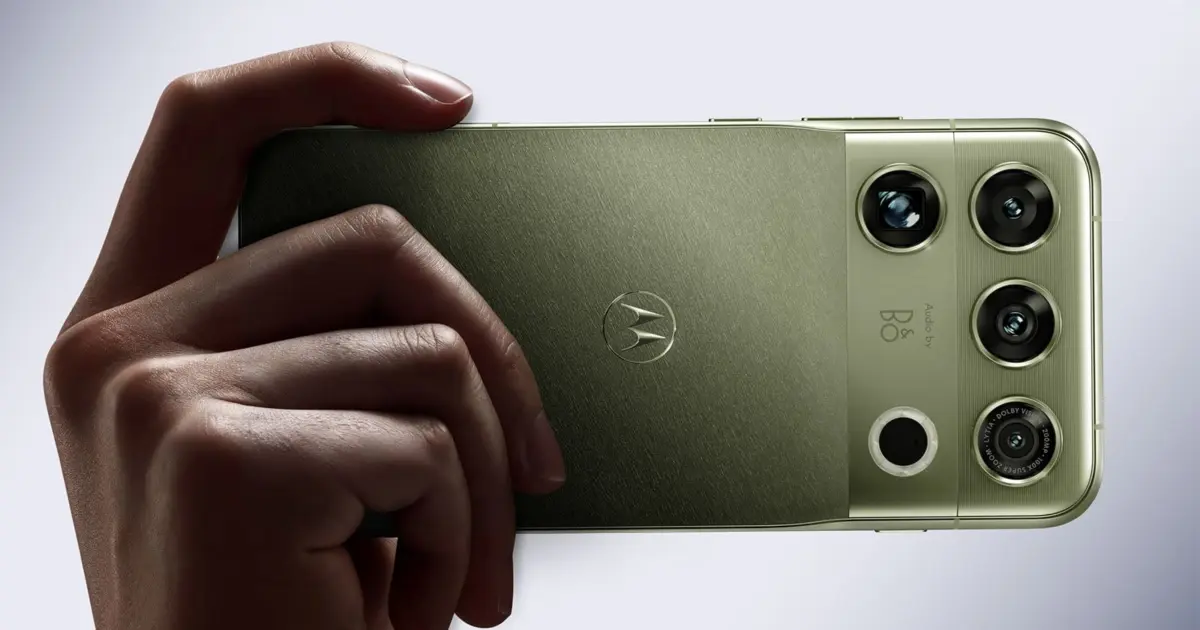
At the latest Snapdragon Summit hosted by Qualcomm, a venue traditionally reserved for the unveiling of the industry’s next generation of processing power, Motorola commanded the spotlight to introduce its most ambitious smartphone to date: the Signature 27. Positioned as a pinnacle of mobile engineering, the Signature 27 represents a significant pivot for Motorola as it seeks to redefine its presence in the ultra-premium flagship market. The announcement coincided with Qualcomm’s own revelation of the Snapdragon 8 Elite Extreme Gen 6 Mobile Platform, the very silicon that serves as the heartbeat of Motorola’s new device.
The partnership between the chipmaker and the manufacturer was on full display as Motorola executives detailed how the Signature 27 was designed from the ground up to exploit the specific architectures of the new Snapdragon platform. According to Motorola, this flagship is not merely a seasonal update but a concerted effort to push the boundaries of what is possible in mobile imaging, artificial intelligence, and industrial design. By leveraging the Snapdragon 8 Elite Extreme Gen 6, the Signature 27 promises a level of computational performance that facilitates fast, productive AI technologies and enables sophisticated photography and video features that were previously restricted to professional-grade hardware.
During the keynote, Nicole Hagen, Motorola’s head of global marketing, characterized the Signature 27’s camera system as "industry-leading." While the full scope of the device’s capabilities is still being revealed, the hardware specifications shared during the summit suggest a formidable challenge to the established order of mobile photography. At the core of the Signature 27’s imaging prowess is Sony’s latest Lytia-series technology, specifically the 50-megapixel Lytia 910 LOFIC image sensor.
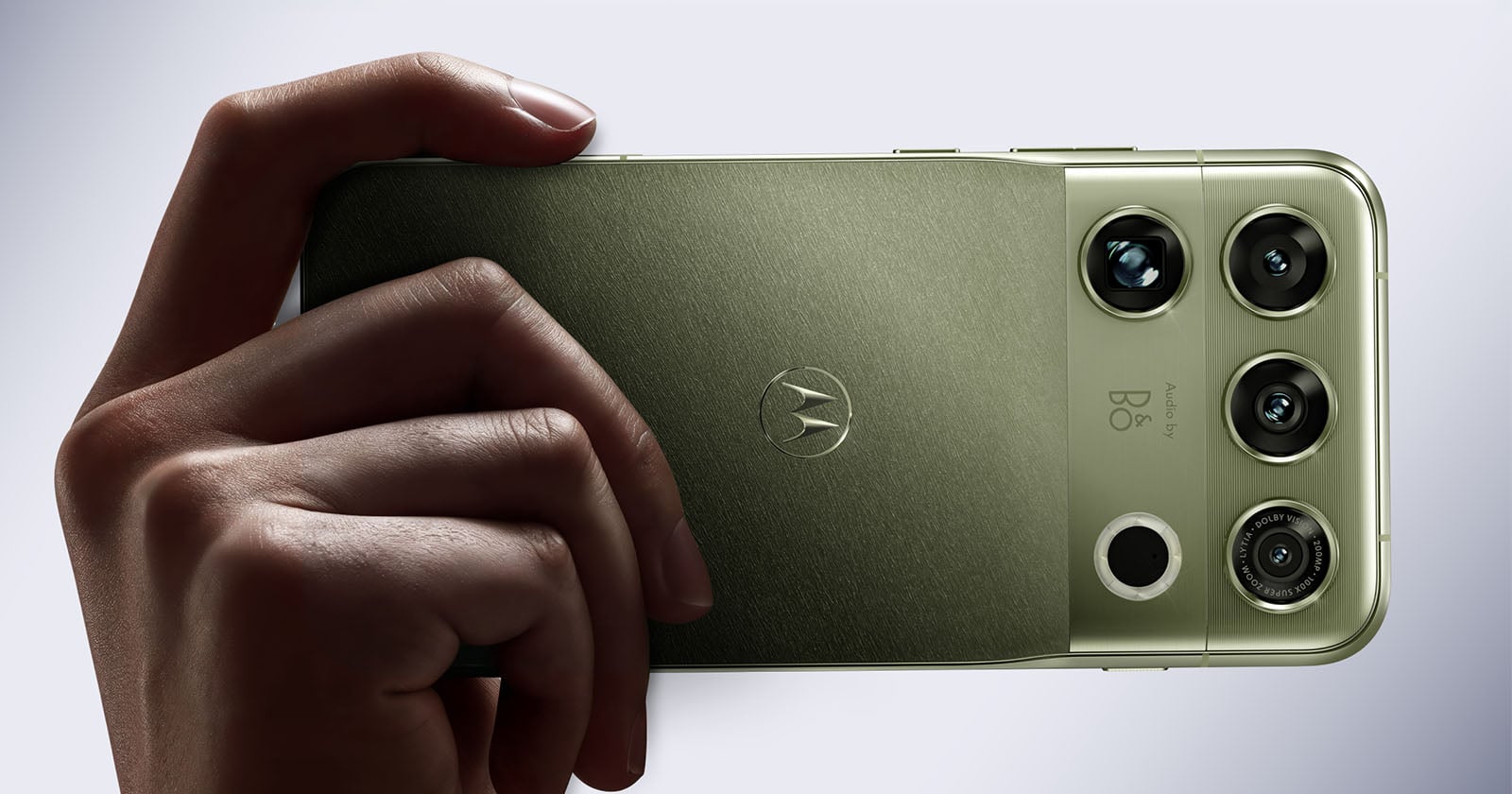
The inclusion of the Lytia 910 LOFIC (Lateral Overflow Integration Capacitor) sensor is a strategic move aimed at solving one of the most persistent issues in mobile photography: limited dynamic range. This Type 1/1.28 sensor is engineered to handle high-contrast scenes with greater finesse, preventing the "blown-out" highlights that often plague smartphone photos taken in bright sunlight or high-contrast environments. By incorporating LOFIC technology, the sensor can effectively manage a higher volume of light signals, resulting in images that retain rich, accurate color and detail in both the brightest and darkest areas of the frame.
Complementing the primary sensor is a secondary powerhouse focused on long-range capture. Motorola revealed that the Signature 27’s telephoto imager is also built on Sony Lytia architecture, utilizing the 200-megapixel Type 1/1.12 Lytia 901 chip that was first announced last year. The choice of a 200-megapixel sensor for the telephoto lens indicates a focus on high-resolution "in-sensor" cropping, allowing users to zoom into subjects while maintaining a level of clarity that rivals dedicated optical zoom lenses. The sheer size of the sensor—approaching the one-inch mark—is particularly notable for a telephoto module, as larger sensors typically perform significantly better in the challenging low-light conditions that often hamper zoomed-in photography.
Despite the impressive details regarding the primary and telephoto sensors, Motorola has opted to keep some aspects of the device under wraps for now. While visual evidence of the device clearly shows a multi-camera array on the rear, the company has not yet provided specific details regarding an ultra-wide camera or other auxiliary sensors. This air of mystery suggests that Motorola may be planning a more comprehensive breakdown of the camera’s full technical specifications as the official global launch approaches.
Beyond the raw hardware, the Motorola Signature 27 is a showcase for the "Video Enhancement Engine," a proprietary AI-powered tool designed to operate as a real-time intelligence layer. As users record video, the engine works instantaneously to adjust color tones and exposure. This technology is a direct beneficiary of the Snapdragon 8 Elite Extreme Gen 6’s neural processing capabilities, allowing the phone to make complex aesthetic decisions on the fly.
Motorola notes that this system is designed to ensure users can capture moments exactly as they remember them, whether they are in the middle of a dimly lit concert, filming a vibrant sunset, or capturing movement after dark. The goal is to deliver footage that looks professional and sharp without the need for extensive post-production. This real-time processing also extends to the device’s stabilization system, which marries Qualcomm’s latest electronic image stabilization algorithms with Motorola’s own optical image stabilization (OIS) hardware to produce smooth, cinematic results even during handheld operation.
The emphasis on high-end performance is matched by a distinct shift in Motorola’s design philosophy. The Signature 27 is intended to be more than a utility; the company describes it as a device designed to be "admired, held, and deeply chosen." This focus on the tactile and aesthetic experience is evident in the choice of materials. The phone features a sleek aluminum chassis that provides a rigid, premium foundation for two unique finishes.
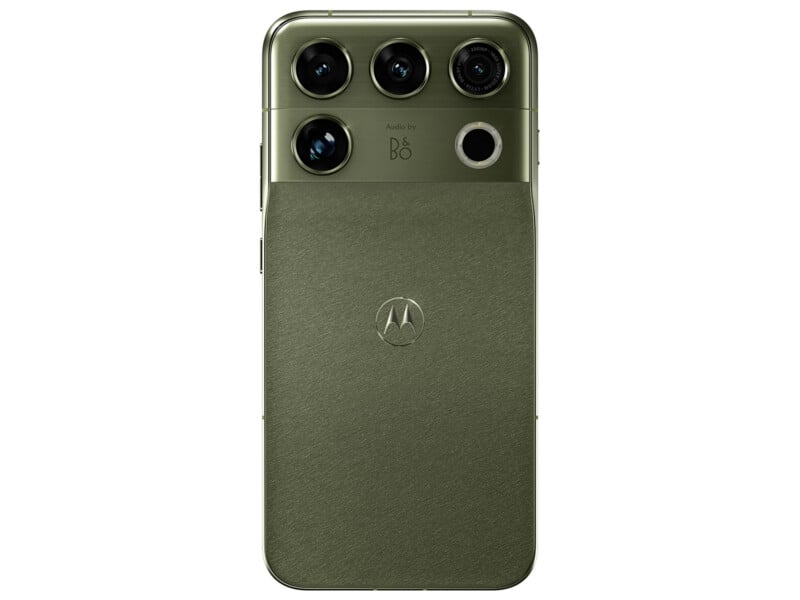
The first finish, "Coal Smoke," utilizes what Motorola calls a "tactical weave," suggesting a rugged yet refined texture that provides both grip and a sophisticated visual depth. The second option, "Capulet Olive," features a brushed, textile-inspired finish that offers a softer, more organic feel. The olive variant, showcased prominently at the Snapdragon Summit, was noted for its striking appearance, standing out in a market often dominated by glass and polished metal. The horizontal camera module, which spans the upper portion of the device, serves as a bold design statement, further distinguishing the Signature 27 from its competitors.
The premium positioning of the Signature 27 is reinforced by a new, high-profile partnership. Just a day prior to the phone’s unveiling, Motorola announced a multi-year collaboration with the renowned Danish audio brand Bang & Olufsen (B&O). The Signature 27 is the first major fruit of this partnership, featuring an audio system co-created with B&O engineers. This collaboration is aimed at bringing a "premium audio experience" to the smartphone, focusing on tonal balance and clarity that complements the device’s high-resolution visual capabilities. The "Audio by B&O" branding is prominently featured on the device’s camera housing, signaling a commitment to high-fidelity sound that matches the phone’s high-fidelity imaging.
This strategic alliance with Bang & Olufsen, combined with the top-tier Sony sensors and the cutting-edge Qualcomm processor, suggests that Motorola is targeting a specific segment of the market: the "prosumer" and the luxury tech enthusiast. By integrating established names in photography and audio, Motorola is attempting to build immediate credibility for the Signature 27 as a true flagship contender.
While the preview at the Snapdragon Summit provided a substantial look at the device’s core strengths, many questions remain regarding the final software experience, battery life, and pricing. Motorola has indicated that the Signature 27’s complete camera system and full suite of features demonstrate the company’s "continued commitment to push the boundaries of smartphone photography," but the full story of the device will only be told when it reaches the hands of consumers.
The disclosure provided at the event noted that Qualcomm facilitated the travel and accommodations for members of the press, including PetaPixel, to attend the Snapdragon Summit. However, it was made clear that neither Qualcomm nor Motorola had any editorial input on the coverage of the event or the announcement of the new device.
As the year draws to a close, the mobile industry will be watching closely to see how the Motorola Signature 27 performs in the wild. With its combination of a "Type 1" class main sensor, a massive 200-megapixel telephoto chip, and the raw power of the Snapdragon 8 Elite Extreme Gen 6, Motorola has assembled a spec sheet that demands attention. The company has confirmed that a full, detailed reveal of the Motorola Signature 27 will take place in the coming weeks, ahead of a scheduled global release before the end of the year. This upcoming launch will likely provide the final pieces of the puzzle, including regional availability and the specific software innovations Motorola has developed to tie this high-performance hardware together.