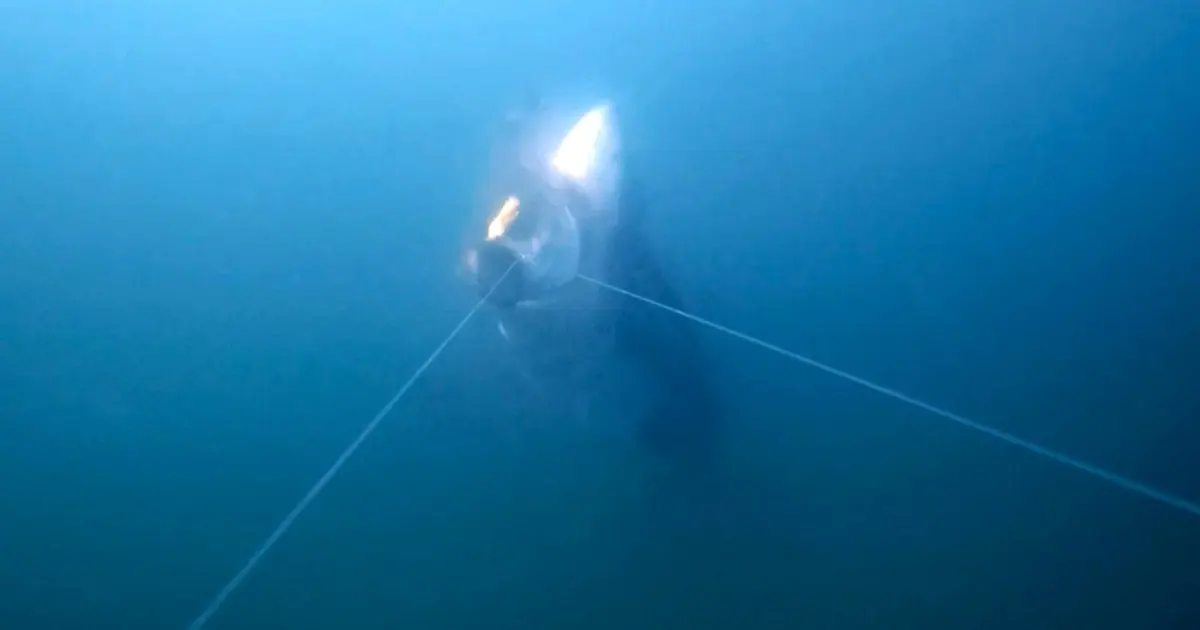
Captain Hap Farrell, a veteran charter boat captain who has spent years navigating these waters, has observed this trend firsthand. He noted that the frequency of these encounters has escalated significantly over the past three years. According to Farrell, the sharks have become increasingly bold, often following a hooked fish all the way to the boat. He described instances where sharks would come within four or five feet of the vessel, aggressively chasing what remained of a catch as it was being pulled from the water. For the fishing community, this represents more than just a lost catch; it is a fundamental shift in the environment they have worked in for generations.
The rise in depredation is not a random occurrence but is deeply rooted in the changing ecology of the New England coast. The presence of great white sharks in such high numbers is directly linked to the booming population of gray seals. Once hunted to near extinction in the region, gray seals have seen a massive recovery following the implementation of the Marine Mammal Protection Act in 1972. Today, the seal population on Cape Cod numbers in the tens of thousands, creating a rich and reliable food source that has drawn great white sharks back to their ancestral hunting grounds in the North Atlantic.
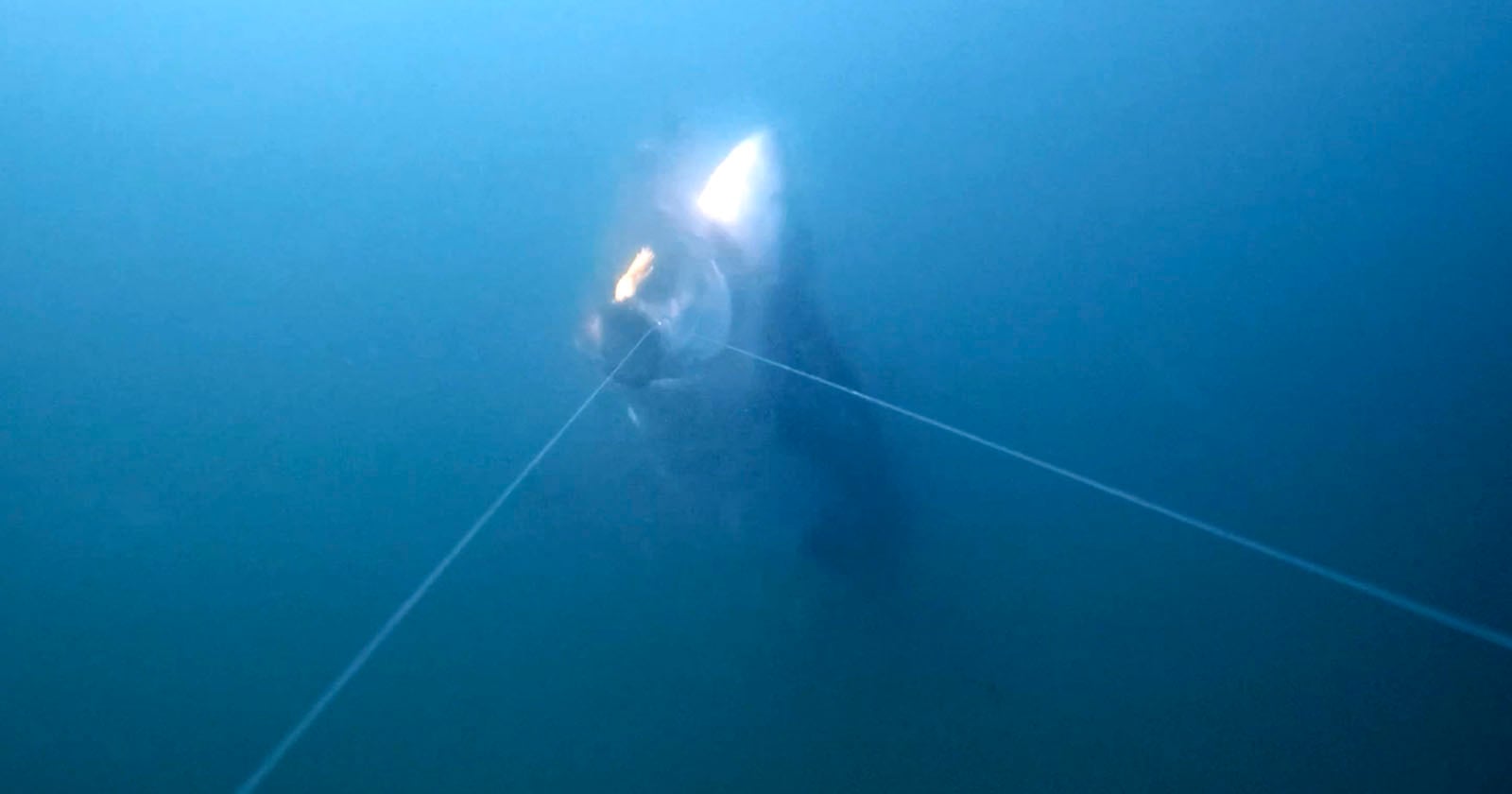
While the return of these apex predators is a sign of a recovering and healthy ecosystem, it brings with it a complex set of challenges. For conservationists like Skerry, the presence of great whites is a cause for celebration—a testament to the resilience of nature when given the chance to heal. Skerry has long maintained that his goal is to help the public understand that the waters of Cape Cod and the Gulf of Maine are home to a healthy, recovering population of large predatory sharks. He views the presence of great whites as a "good thing for the ocean" and, by extension, a positive development for the planet’s overall health. An ocean with its top predators intact is an ocean that is functioning as it should, maintaining the balance of the species below them in the food chain.
However, this ecological success story creates a natural friction with the human activities that define the Cape Cod region. For beachgoers, the proximity of great whites to the shore is a source of persistent anxiety, leading to beach closures and a heightened sense of caution during the summer months. For the local fishing industry, the sharks represent a direct threat to their livelihoods. When sharks regularly take catches off the lines, it affects the efficiency of fishing trips, the satisfaction of charter clients, and the economic viability of the industry. The concern among conservationists is that this increased interaction could lead to a rise in conflict, potentially undermining the very protections that allowed the shark and seal populations to recover in the first place.