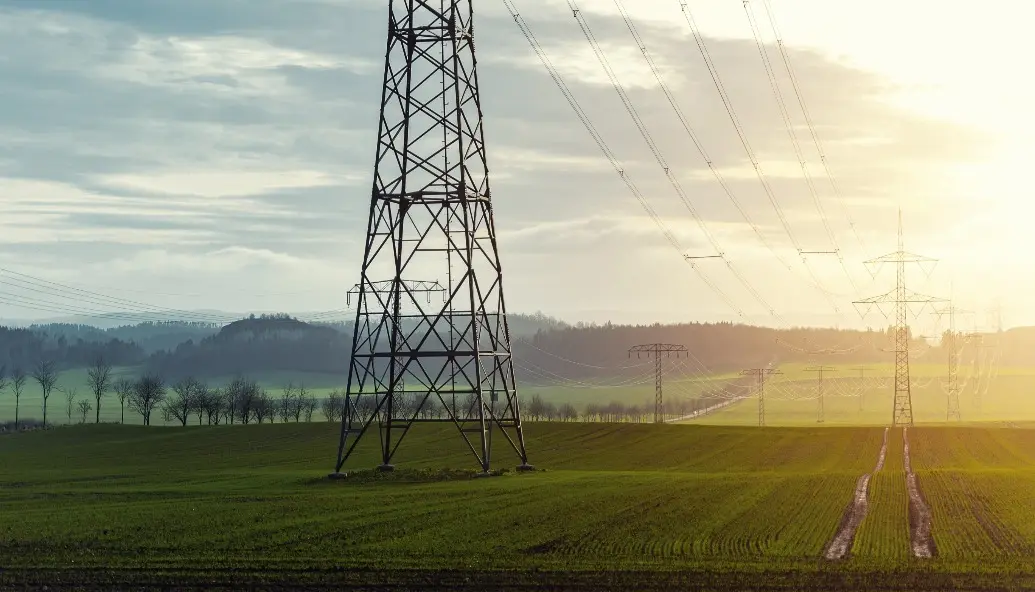
By clearing the queue, Ofgem aims to give network companies a much clearer signal on where to invest in physical infrastructure, such as substations and transmission lines. When the queue is dominated by speculative projects, network operators are often forced to plan for capacity that may never be used, or conversely, they may delay necessary upgrades because the true demand is obscured by the volume of unviable applications. A leaner, more accurate queue allows for more efficient long-term planning and ensures that consumer-funded investments in the grid are targeted toward projects that will actually deliver power to the nation.
The two-week consultation period launched by Ofgem provides an opportunity for stakeholders across the energy industry—including developers, investors, and network operators—to provide feedback on the proposed fee structure and its implementation. Given the high stakes involved in the energy transition and the significant financial implications for developers, the consultation is expected to draw substantial interest from the sector. Following the conclusion of the consultation and the review of the evidence gathered, Ofgem expects to publish its final decision on the matter later this year.
This move follows a series of recent reforms aimed at modernizing the British energy system. The National Grid has already begun implementing new local voltage flexibility services and other measures to manage the increasing complexity of a decentralized grid. The proposed commitment fee is seen as the next logical step in ensuring that the regulatory framework keeps pace with the rapid technological changes in the energy storage market. As the UK moves closer to its 2035 targets, the pressure to optimize every megawatt of grid capacity will only increase, making the integrity of the connection queue a top priority for regulators.
Ultimately, the goal of the proposed fee is to transform the connection queue from a source of uncertainty into a reliable roadmap for the UK’s energy future. By mandating a financial commitment, Ofgem is signaling that grid access is a valuable and limited resource that must be allocated to those ready to utilize it. If successful, the measure will not only clear the current backlog but also establish a more disciplined and professional environment for future energy development, ensuring that the projects that do reach the grid are those best equipped to support a stable, green, and affordable energy supply for Great Britain.