The Pedigree Behind the Project
The creative force behind Fruit & Nut consists of two of the studio’s most experienced hands. Rej Bourdages and Tony Maki are not newcomers to the industry; their fingerprints are all over some of the most successful and emotionally resonant films in modern animation. Their collective credits include Coco, Soul, Inside Out 2, and upcoming projects like Elio and Hoppers.
Having spent years contributing to the "Pixar look," Bourdages and Maki clearly relished the opportunity to break the rules. Their experience in big-budget storytelling allows Fruit & Nut to maintain a high level of narrative discipline even as its visuals become increasingly surreal and psychedelic. The short manages to pack a full character arc and a high-stakes heist into just seven minutes, proving that the duo’s skills in pacing and character development translate perfectly across different mediums.
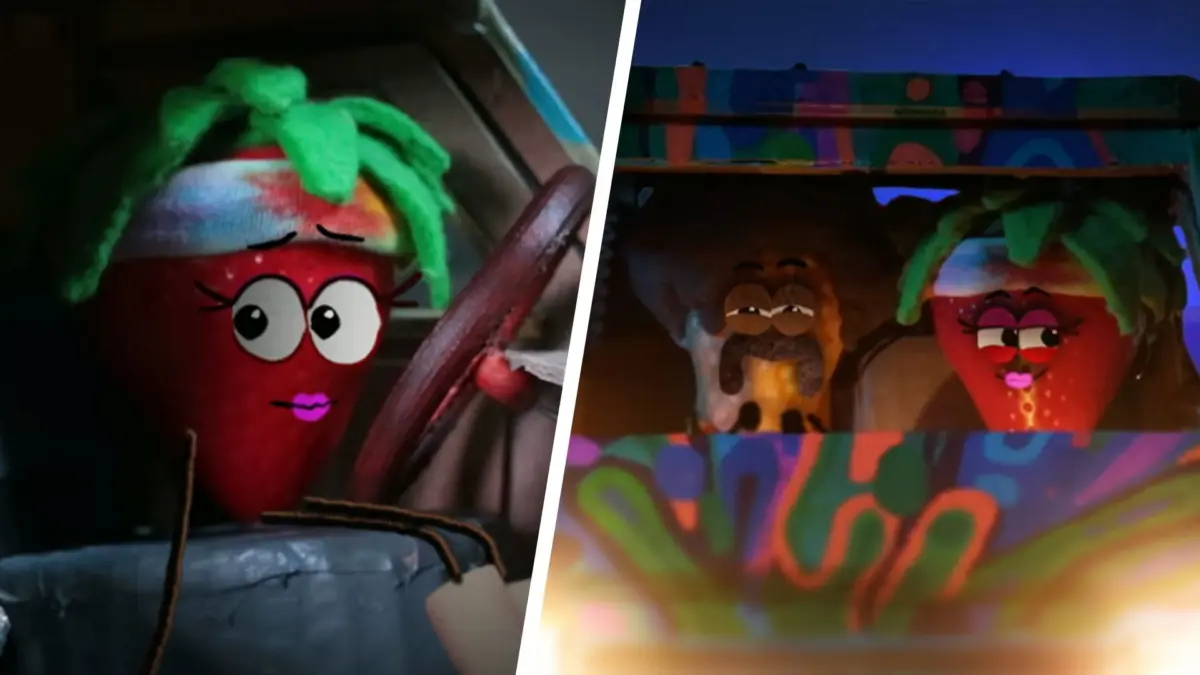
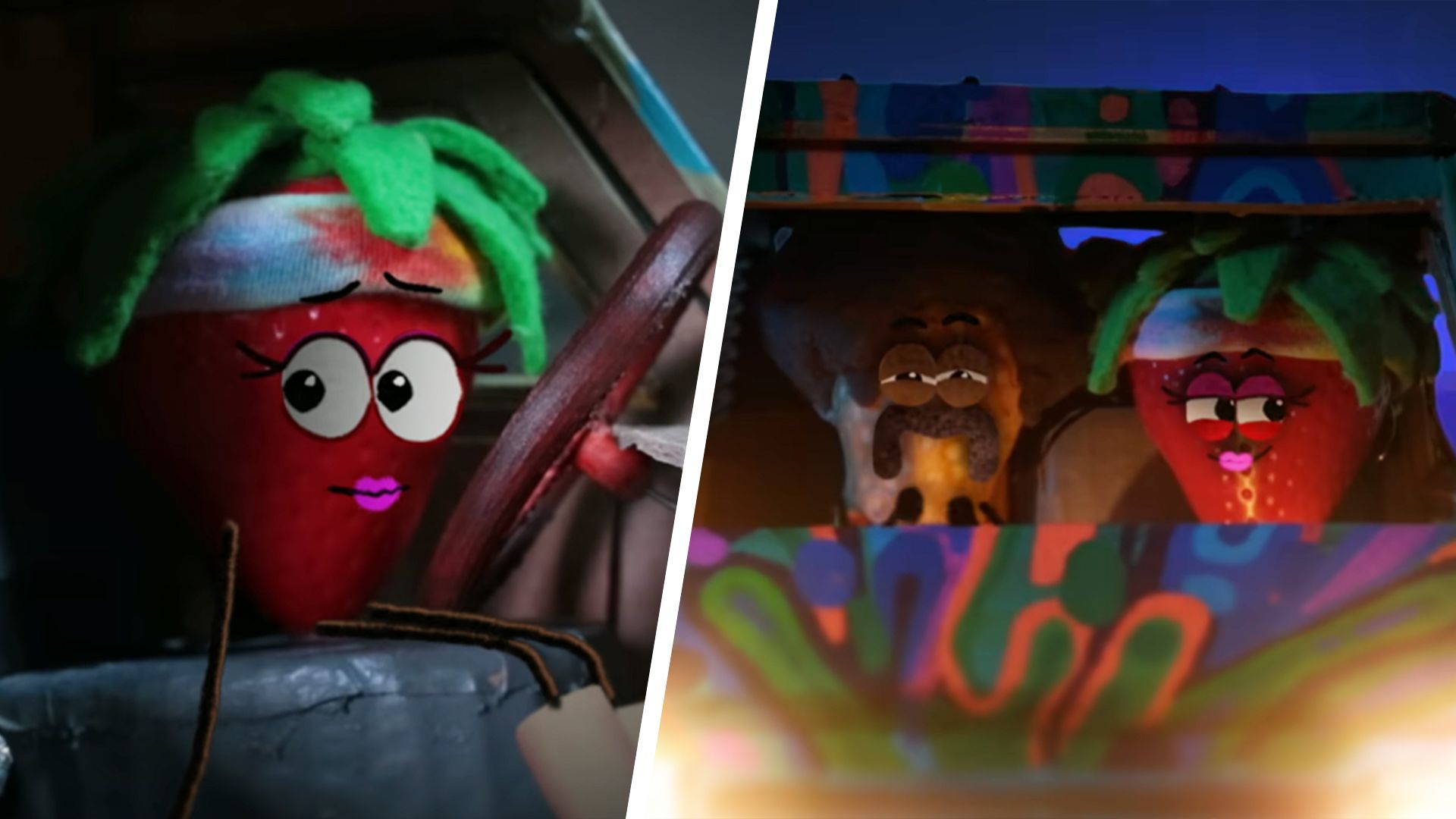
The choice of protagonists—a peanut and a strawberry—allows for a level of physical comedy and visual metaphor that might feel out of place in a more grounded feature film. The "odd couple" dynamic is a staple of Pixar’s storytelling, but by stripping away the human (or anthropomorphic animal) element and replacing it with snack food, the directors are able to push the absurdity to its limits.
Tapping into the Zeitgeist
The early buzz surrounding Fruit & Nut has focused heavily on its aesthetic choices, particularly the aforementioned nod to GTA VI. In the current media landscape, references to high-profile pop culture events are a powerful way to garner attention, and Pixar’s marketing team has clearly recognized the meme potential of a "hard-boiled" crime story starring fruit and legumes.
Online commentators have been quick to point out the irony of Pixar—a studio synonymous with family-friendly, wholesome entertainment—releasing a film that adopts the visual language of a gritty crime thriller. This "boldly different" direction has sparked conversations about the future of the studio. As the animation industry becomes increasingly competitive, with studios like Sony Pictures Animation pushing boundaries with the Spider-Verse films, Pixar is under pressure to prove that it can still innovate and surprise its audience.
Fruit & Nut suggests that the studio is more than willing to meet that challenge. By allowing its artists to experiment with different techniques and tones, Pixar is building a library of diverse content that can appeal to a wider range of viewers. While these shorts are primarily released online rather than in theaters, their influence often trickles up into the studio’s larger projects.