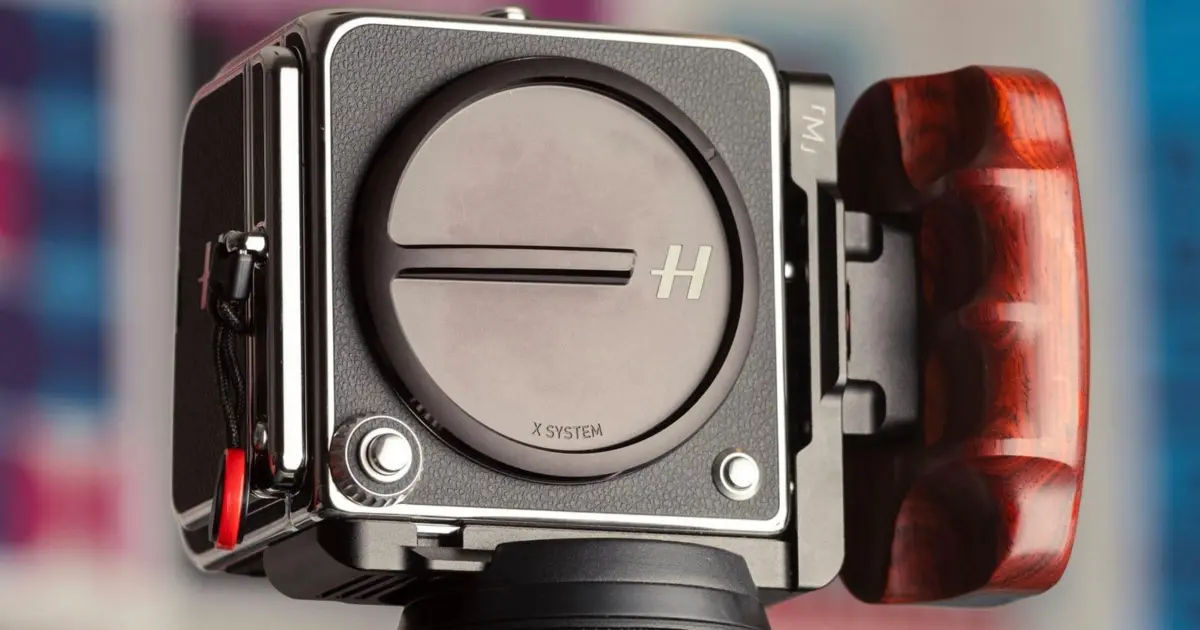
A simple but transformative addition would be the inclusion of haptic feedback or an audible "beep" when the camera reaches a perfectly horizontal or vertical orientation. This is a feature already utilized effectively in the Apple iPhone’s camera app and various other high-end mirrorless systems. Since the hardware for motion sensing is already present in the CFV 100C, implementing a sensory cue would allow photographers to level their shots without having to squint at the screen, keeping their eyes on the composition or the environment.
3. Defaulting to the Leaf Shutter
One of the defining characteristics of the Hasselblad X-system is the use of leaf shutters integrated into the lenses rather than a focal plane shutter in the camera body. This allows for incredibly high flash sync speeds and reduced vibration. However, the cameras also feature an Electronic Shutter (ES) mode, which is essential when using adapted lenses, such as Leica M glass.
The issue lies in the transition between these modes. The current electronic shutter on these large medium format sensors is prone to significant "rolling shutter" distortion, making it unsuitable for many handheld or moving subjects. The camera’s firmware should be intelligent enough to default automatically to the lens’s mechanical leaf shutter the moment an XCD lens is attached. Providing a user-definable "opt-in" for the electronic shutter would prevent accidental shots with rolling shutter artifacts, ensuring the best possible image quality by default.
4. Customization of the Aperture Ring Direction
In the world of professional photography, consistency is key. Photographers often move between different camera systems, and the direction in which an aperture ring is turned to open or close the iris can vary. Currently, Hasselblad does not allow users to override the direction of the aperture ring’s operation. This is a basic software adjustment that would provide a much-needed level of comfort for photographers who are accustomed to the rotation standards of other brands. Allowing the user to flip the direction in the settings menu would make the transition to Hasselblad feel much more natural for long-time users of other systems.
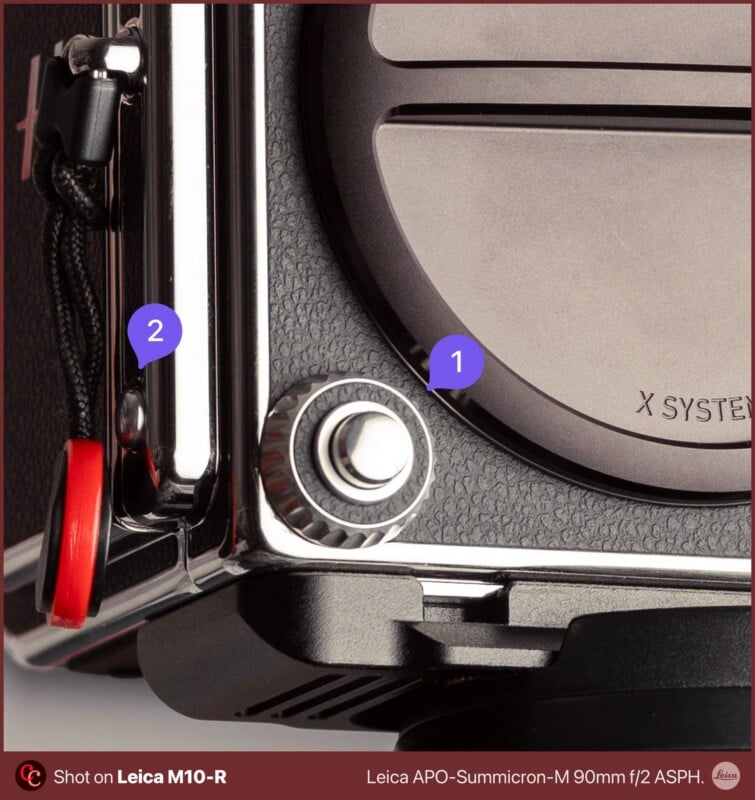
5. Focus Ring Rebinding for ‘P’ Series Lenses
Hasselblad’s "P" (Portable) series lenses are designed for minimalism and mobility. These lenses typically feature only a single control ring, which is dedicated to manual focus. Because these lenses utilize "fly-by-wire" technology—where the ring sends electronic signals to the camera rather than being mechanically linked to the lens elements—there is no hardware reason why this ring cannot be repurposed.
Many photographers would prefer to use this single ring to control the aperture, especially when using the 907X body where body-based controls are limited. By allowing users to rebind the focus ring to aperture control via software, Hasselblad would effectively double the utility of their most compact lenses. This would enable a streamlined workflow where the body’s rotary dial handles shutter speed and the lens ring handles aperture, creating a more traditional and efficient shooting experience.
6. The Need for Lossless RAW Compression
The CFV 100C produces breathtaking 100-megapixel images, but this resolution comes at a cost: storage. Each uncompressed RAW file averages around 200 MB. While the camera includes a generous 1TB internal SSD, the lack of lossless compression remains a point of contention for many users.