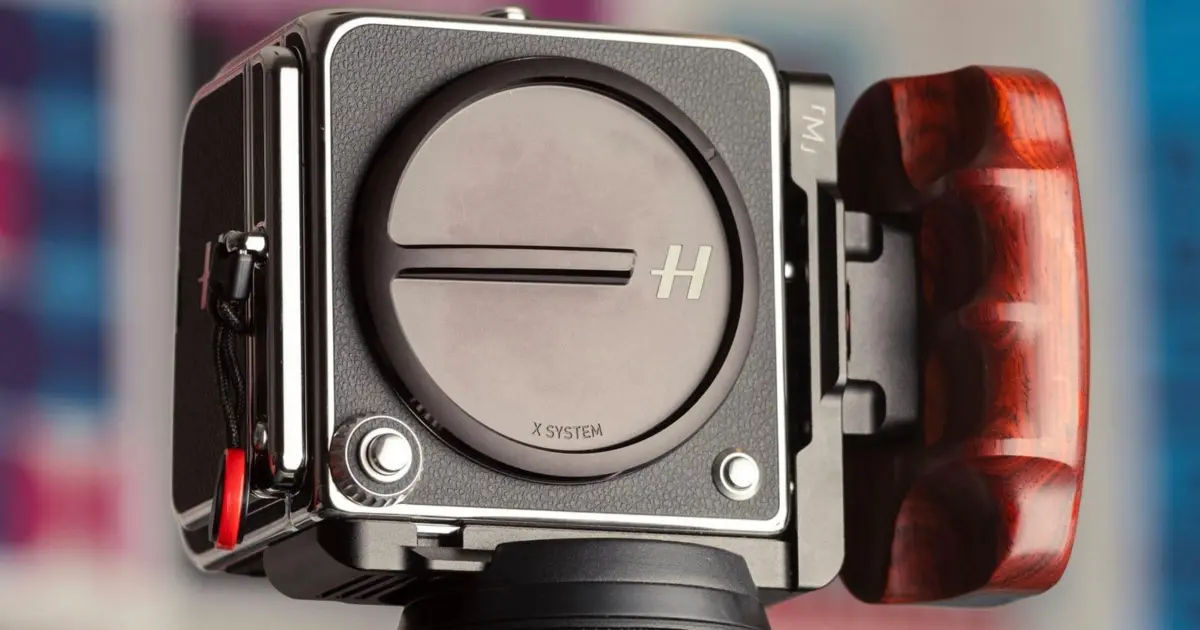
The reputation of Hasselblad is not merely built on marketing; it is forged from decades of meticulous engineering and a commitment to optical excellence that few manufacturers can claim. When a photographer picks up a modern Hasselblad, they are holding a product designed for the "best of the best." From the robust build of the camera bodies to the tactile satisfaction of the grips, every element feels intentional. The optical quality is frequently cited as superior even to Leica’s legendary glass, and the color science remains arguably unmatched in the digital age.
Beyond the hardware, the user interface is a masterclass in restraint, offering a menu system that is simple and direct. The company’s mobile ecosystem, specifically the Phocus Mobile 2 app, stands as a benchmark for the industry, outperforming even the highly regarded Leica FOTOS app in terms of stability and workflow integration. This modern excellence is underpinned by a heritage that is nothing short of legendary—this is, after all, the camera system that documented humanity’s first steps on the lunar surface.
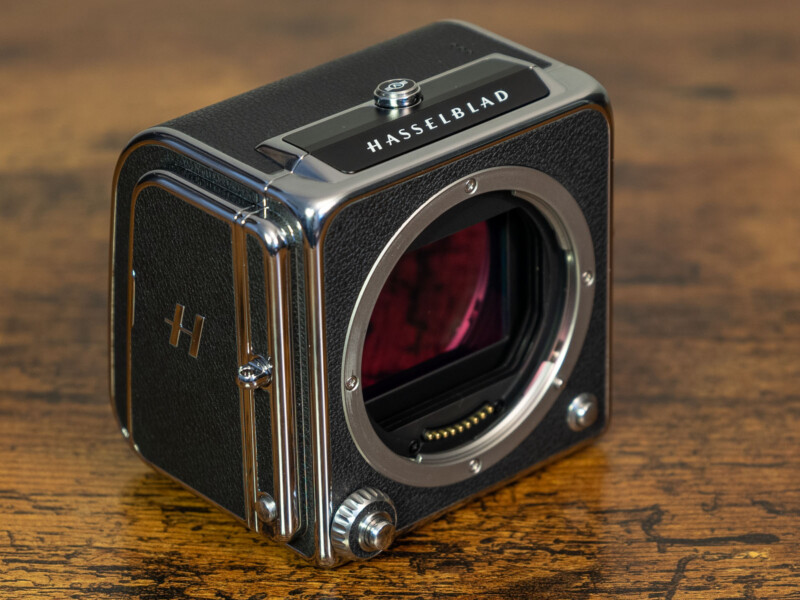
However, in the pursuit of perfection, even a titan like Hasselblad has room to grow. While the V-system offered what many consider the definitive film-shooting experience, the transition to the digital frontier brings new challenges. As the company continues to iterate on its digital backs and mirrorless bodies, such as the X2D 100C and the 907X/CFV 100C combination, certain friction points in the user experience have emerged. After extensive real-world testing and comparison with contemporary rivals like the Leica Q3 and the Fujifilm GFX series, it becomes clear that a few firmware refinements and design adjustments could elevate the 907X system from excellent to truly flawless.
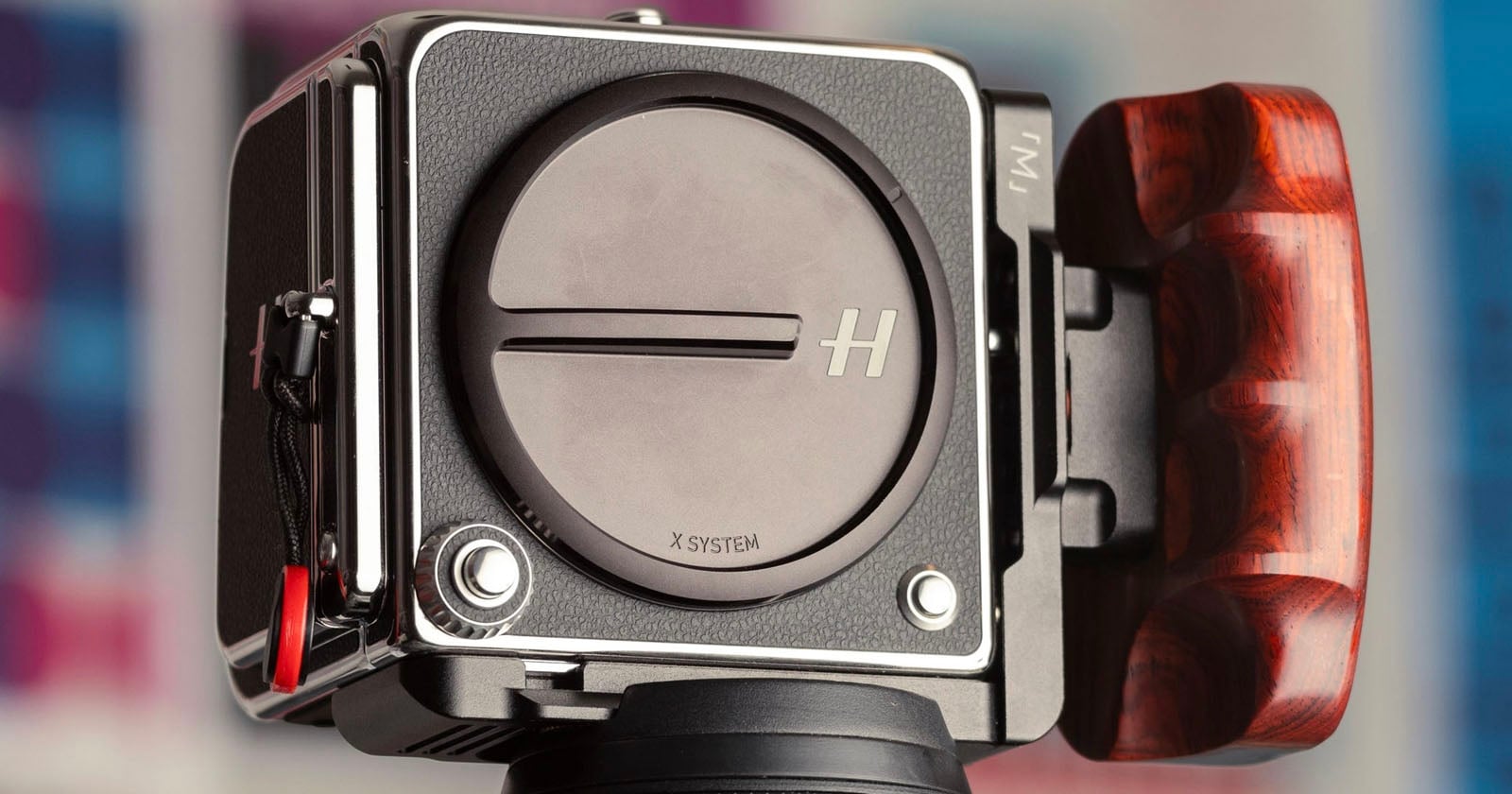
1. 907X Rotary Dial Customization
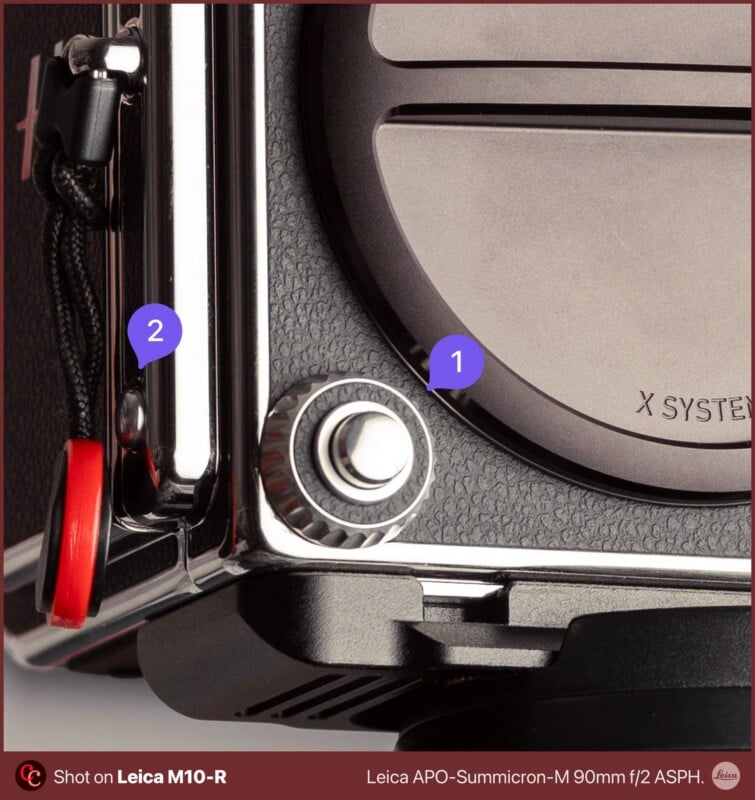
One of the most significant ergonomic hurdles in the current 907X ecosystem involves the rotary dial surrounding the shutter button. In its current state, the dial’s functionality feels unnecessarily restrictive. When operating the camera in Aperture Priority, the dial controls the aperture; in Shutter Priority, it controls the shutter speed. This is standard behavior that most photographers find intuitive.
The frustration arises in Manual mode. By default, the rotary dial is locked to aperture control. If a photographer wishes to adjust the shutter speed, they must press and hold a secondary Function (Fn) button located on the right side of the camera while simultaneously turning the dial. This "hold and turn" requirement is cumbersome and slows down the shooting process significantly.
A more elegant solution would be to allow this button to operate in a "Toggle" mode rather than a "Hold" mode. A simple press could switch the dial’s primary function between aperture and shutter speed. Furthermore, for users who invest in XCD lenses equipped with dedicated physical aperture rings, the rotary dial becomes redundant for aperture control. Hasselblad should allow users to rebind the dial to shutter speed by default, enabling a dual-tactile workflow where one hand manages the lens ring and the other manages the body dial. Adding the ability to reverse the rotation direction (clockwise vs. counter-clockwise) would further allow photographers to tailor the camera to their established muscle memory.
2. Haptic Feedback and Audible Leveling
Hasselblad cameras are a staple for landscape and architectural photographers, professionals who demand absolute precision in framing. While the digital "Spirit Level" (an electronic accelerometer) is a helpful tool, it has practical limitations. When shooting in bright, direct sunlight, the fine details of the LCD screen—including the electronic bubble level—can become difficult to see clearly.
A simple but transformative addition would be the inclusion of haptic feedback or an audible "beep" when the camera reaches a perfectly horizontal or vertical orientation. This is a feature already utilized effectively in the Apple iPhone’s camera app and various other high-end mirrorless systems. Since the hardware for motion sensing is already present in the CFV 100C, implementing a sensory cue would allow photographers to level their shots without having to squint at the screen, keeping their eyes on the composition or the environment.
3. Defaulting to the Leaf Shutter
One of the defining characteristics of the Hasselblad X-system is the use of leaf shutters integrated into the lenses rather than a focal plane shutter in the camera body. This allows for incredibly high flash sync speeds and reduced vibration. However, the cameras also feature an Electronic Shutter (ES) mode, which is essential when using adapted lenses, such as Leica M glass.
The issue lies in the transition between these modes. The current electronic shutter on these large medium format sensors is prone to significant "rolling shutter" distortion, making it unsuitable for many handheld or moving subjects. The camera’s firmware should be intelligent enough to default automatically to the lens’s mechanical leaf shutter the moment an XCD lens is attached. Providing a user-definable "opt-in" for the electronic shutter would prevent accidental shots with rolling shutter artifacts, ensuring the best possible image quality by default.
4. Customization of the Aperture Ring Direction
In the world of professional photography, consistency is key. Photographers often move between different camera systems, and the direction in which an aperture ring is turned to open or close the iris can vary. Currently, Hasselblad does not allow users to override the direction of the aperture ring’s operation. This is a basic software adjustment that would provide a much-needed level of comfort for photographers who are accustomed to the rotation standards of other brands. Allowing the user to flip the direction in the settings menu would make the transition to Hasselblad feel much more natural for long-time users of other systems.
5. Focus Ring Rebinding for ‘P’ Series Lenses
Hasselblad’s "P" (Portable) series lenses are designed for minimalism and mobility. These lenses typically feature only a single control ring, which is dedicated to manual focus. Because these lenses utilize "fly-by-wire" technology—where the ring sends electronic signals to the camera rather than being mechanically linked to the lens elements—there is no hardware reason why this ring cannot be repurposed.
Many photographers would prefer to use this single ring to control the aperture, especially when using the 907X body where body-based controls are limited. By allowing users to rebind the focus ring to aperture control via software, Hasselblad would effectively double the utility of their most compact lenses. This would enable a streamlined workflow where the body’s rotary dial handles shutter speed and the lens ring handles aperture, creating a more traditional and efficient shooting experience.
6. The Need for Lossless RAW Compression
The CFV 100C produces breathtaking 100-megapixel images, but this resolution comes at a cost: storage. Each uncompressed RAW file averages around 200 MB. While the camera includes a generous 1TB internal SSD, the lack of lossless compression remains a point of contention for many users.
The absence of In-Body Image Stabilization (IBIS) in the 907X/CFV 100C combination compounds this issue. To ensure a sharp image at 100MP without stabilization, photographers often take multiple "safety" shots of the same scene. A burst of four or five frames can easily consume a gigabyte of data. Implementing a lossless compression algorithm would significantly reduce file sizes without sacrificing a single bit of image data, allowing for more efficient storage management and faster file transfers during post-production.

7. Implementation of Gyro AF Lock
One of the most innovative features seen in recent years is the "Gyro AF Lock," a technology found in the Leica Q series. It utilizes the camera’s internal gyroscope to maintain a focus point even as the photographer recomposes the shot. If a user locks focus on a subject’s eye and then tilts or pans the camera to adjust the framing, the camera uses gyro data to shift the focus point accordingly, keeping the subject sharp.
Given that the Hasselblad CFV 100C already contains high-precision gyroscopes for its leveling tools, this functionality is likely achievable through a firmware update. Medium format photography, with its razor-thin depth of field, would benefit immensely from this feature. It would reduce the need for constant manual adjustments on the touchscreen or joystick, making the autofocus system feel more intuitive and responsive.
8. Enhanced LCD and Preview Controls
When the CFV 100C digital back is mounted on a vintage V-system camera, such as the iconic 500C/M, the experience is a blend of old and new. However, the digital back currently forces a photo preview onto the screen after every shot. For many purists, the goal of using a vintage body is to stay "in the moment" and away from screens.
While the 907X interface allows for the disabling of post-shot previews, this option is strangely absent when the back is used on a 500-series body. Expanding the "Display" settings to allow for a completely blacked-out, "LCD-less" experience would be highly valued by those seeking a more traditional analog workflow. Additionally, the menu currently offers very few display customizations beyond brightness and overexposure warnings. Providing more granular control over what information is displayed—and when—would allow photographers to declutter their workspace and focus entirely on the craft of composition.
A Path Toward Agility
Hasselblad’s commitment to simplicity is one of its greatest strengths. In an era where some camera menus have become so convoluted they require dedicated video tutorials to navigate, Hasselblad’s "less is more" philosophy is refreshing. However, there is a fine line between simplicity and a lack of professional flexibility.
The suggestions outlined above do not require a fundamental redesign of the camera’s identity. Instead, they represent small, thoughtful adjustments to the user experience that would grant the 907X system a new level of agility. By addressing these minor friction points, Hasselblad can ensure that its cameras remain not only the most prestigious tools in a photographer’s kit but also the most functional. In doing so, they continue the legacy of Victor Hasselblad, who understood better than anyone that a camera should be an extension of the photographer’s vision, never an obstacle to it.