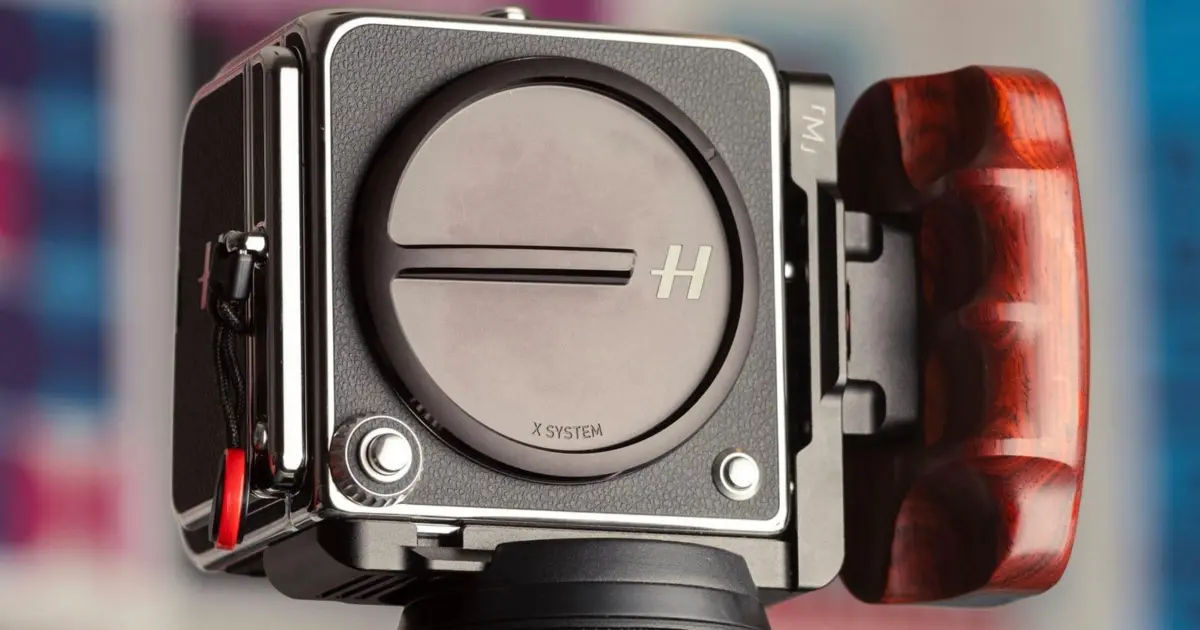
The absence of In-Body Image Stabilization (IBIS) in the 907X/CFV 100C combination compounds this issue. To ensure a sharp image at 100MP without stabilization, photographers often take multiple "safety" shots of the same scene. A burst of four or five frames can easily consume a gigabyte of data. Implementing a lossless compression algorithm would significantly reduce file sizes without sacrificing a single bit of image data, allowing for more efficient storage management and faster file transfers during post-production.

7. Implementation of Gyro AF Lock
One of the most innovative features seen in recent years is the "Gyro AF Lock," a technology found in the Leica Q series. It utilizes the camera’s internal gyroscope to maintain a focus point even as the photographer recomposes the shot. If a user locks focus on a subject’s eye and then tilts or pans the camera to adjust the framing, the camera uses gyro data to shift the focus point accordingly, keeping the subject sharp.
Given that the Hasselblad CFV 100C already contains high-precision gyroscopes for its leveling tools, this functionality is likely achievable through a firmware update. Medium format photography, with its razor-thin depth of field, would benefit immensely from this feature. It would reduce the need for constant manual adjustments on the touchscreen or joystick, making the autofocus system feel more intuitive and responsive.
8. Enhanced LCD and Preview Controls
When the CFV 100C digital back is mounted on a vintage V-system camera, such as the iconic 500C/M, the experience is a blend of old and new. However, the digital back currently forces a photo preview onto the screen after every shot. For many purists, the goal of using a vintage body is to stay "in the moment" and away from screens.
While the 907X interface allows for the disabling of post-shot previews, this option is strangely absent when the back is used on a 500-series body. Expanding the "Display" settings to allow for a completely blacked-out, "LCD-less" experience would be highly valued by those seeking a more traditional analog workflow. Additionally, the menu currently offers very few display customizations beyond brightness and overexposure warnings. Providing more granular control over what information is displayed—and when—would allow photographers to declutter their workspace and focus entirely on the craft of composition.
A Path Toward Agility
Hasselblad’s commitment to simplicity is one of its greatest strengths. In an era where some camera menus have become so convoluted they require dedicated video tutorials to navigate, Hasselblad’s "less is more" philosophy is refreshing. However, there is a fine line between simplicity and a lack of professional flexibility.
The suggestions outlined above do not require a fundamental redesign of the camera’s identity. Instead, they represent small, thoughtful adjustments to the user experience that would grant the 907X system a new level of agility. By addressing these minor friction points, Hasselblad can ensure that its cameras remain not only the most prestigious tools in a photographer’s kit but also the most functional. In doing so, they continue the legacy of Victor Hasselblad, who understood better than anyone that a camera should be an extension of the photographer’s vision, never an obstacle to it.