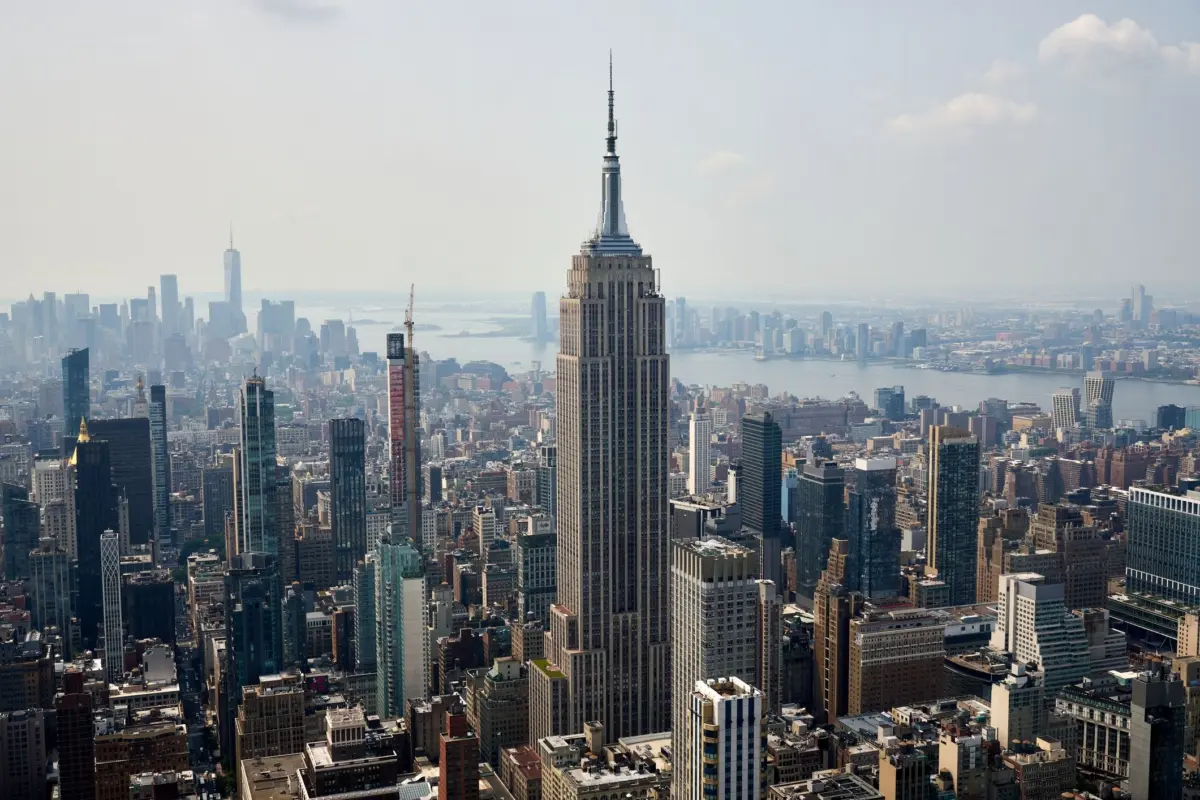
When selecting tickets, visitors generally face a choice between two primary experiences. The standard ticket, priced at approximately $46, grants access to the 86th-floor open-air observatory. For those seeking the ultimate view, an $81 ticket includes both the 86th floor and the newly renovated, glass-enclosed 102nd-floor observatory. Both tickets include access to the extensive museum exhibits. While the 102nd floor offers a more elevated, climate-controlled perspective that is particularly valuable on rainy days, the 86th floor remains the "classic" experience, offering the rare opportunity to step outside and feel the wind at 1,000 feet above the pavement.
For travelers planning an extensive New York itinerary, bundled options like the New York CityPass or the New York Pass by GoCity offer significant discounts. These passes are ideal for those who want to combine a trip to the Empire State Building with visits to the Statue of Liberty, the 9/11 Memorial, or the Metropolitan Museum of Art.
From the Ground Up: What to Expect
The ascent begins with a security screening similar to that of an airport, followed by a transition into the second-floor museum. These interactive exhibits are a highlight of the $165 million renovation, offering a deep dive into the building’s construction. Visitors can see recreations of the 1930s site, complete with the sounds of riveting and the stories of the laborers who built the "Cathedral of the Skies."

From there, elevators—staffed by employees in signature silver conductor hats—whisk guests to the 80th floor. This floor serves as a preview and an artistic hub. It features the stunning "NYC: Above and Beyond" mural by artist Stephen Wiltshire. In a legendary feat of talent, Wiltshire drew the entire Manhattan cityscape from memory in just five days following a single 45-minute helicopter ride. The level of detail in the mural is a testament to the city’s complex beauty.
The 86th floor is where the "360-degree magic" truly happens. This is the outdoor deck that has served as the backdrop for countless romantic movie scenes. Protected by iconic crisscrossed metal gates, visitors can walk the perimeter of the tower, looking out over the Hudson and East Rivers. On a clear day, the visibility extends to six states: New York, New Jersey, Pennsylvania, Connecticut, Massachusetts, and Delaware. In the winter, overhead heaters provide a reprieve from the biting winds, though the experience remains bracingly authentic.
For those who venture to the 102nd floor, the view is framed by floor-to-ceiling windows, offering a direct line of sight up to Central Park and the "Billionaires’ Row" skyscrapers that now dot the northern horizon. While there is no time limit once you reach the observatories, most visitors find that 60 to 120 minutes is sufficient to take in the exhibits and the panoramas.
The Best Times to Visit
Timing a visit to the Empire State Building can drastically change the experience. Like most of New York City, the landmark is best enjoyed during the shoulder seasons—spring and fall. In the spring, the view of Central Park is punctuated by the soft pink of cherry blossoms; in the fall, the city is framed by a canopy of amber and gold.