By framing translation as a performance, King provides a vivid look into the labor involved in her craft. She suggests that if a writer is a scriptwriter, the translator must be the actor who brings the lines to life; if the writer is a composer, the translator is the musician interpreting the score; and if the writer is a choreographer, the translator is the dancer embodying the movement. Each of these roles requires a series of artistic choices—inflection, rhythm, tone, and emphasis—that directly impact how the audience receives the original work. In King’s view, the translator is not a transparent window through which a story passes, but an active participant whose "every one of the performer’s artistic choices" shapes the final product.
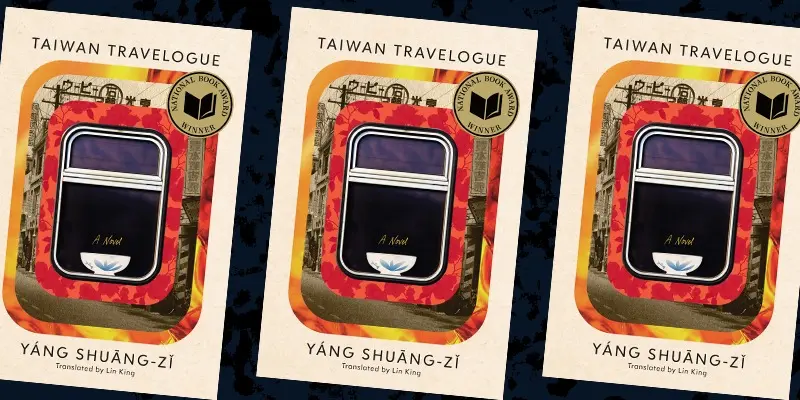
This perspective challenges the "false binary" that King says she often encounters when asked whether she identifies more as a writer or a translator. She asserts that while not all writers possess the skill set to be translators, every translator is, by necessity, a writer. The English version of Taiwan Travelogue is composed of words chosen by King from the "chaotic expanses of the English lexicon." She points out the inherent irony of the craft: the original author, Yang Shuang-zi, cannot read the English version of her own book, just as King will likely be unable to read the various other translations of the novel scheduled for publication next year. In these instances, it is the translators who are "writing" those specific books for their respective linguistic audiences.
The legal action has received significant backing from the literary community, most notably from King’s own publisher. Yuka Igarashi, the Executive Editor at Graywolf Press, which brought the English version of Taiwan Travelogue to the American market, has stood firmly behind King. Igarashi noted that King’s "inspired translation" of Yang’s novel is a testament to the fact that translators are writers in their own right. She emphasized that as artists, mediators, and advocates, translators play an indispensable role in the global dissemination of literature. Graywolf’s support highlights a growing industry-wide movement to acknowledge the often-overlooked labor of translators and to ensure that their legal rights are respected by international partners.
King’s decision to pursue legal action is also a critique of the "unfair business practices" that she believes have become normalized within the publishing industry. She suggests that relay translations are often used as a cost-cutting measure or a shortcut, allowing publishers to bypass the need for a translator who is fluent in the original source language. By ignoring the copyright of the first translator, these publishers treat the English text as a public domain "template" rather than a protected work of art. King is seeking to disrupt this "status quo," arguing that the longevity of a practice does not justify its illegality. "Since when has ‘it’s always been done this way’ been a sufficient reason for continuing to infringe on people’s rights?" she asks in her statement.