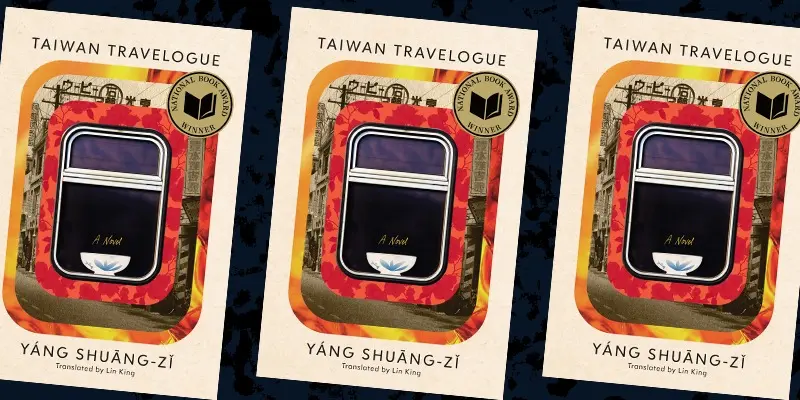
For King, the motivation behind the lawsuit is not financial gain. She notes that the economics of literary translation are notoriously difficult, describing the profession as a "horrendous business plan." Her own journey with Taiwan Travelogue began with her volunteering her time and expertise without compensation, translating portions of the book and pitching it directly to U.S. publishers because of her deep belief in the quality and importance of Yang Shuang-zi’s storytelling. Her legal battle is, therefore, a matter of principle and a defense of the integrity of the profession. She is fighting to set a legal precedent that would force publishers to recognize the autonomy and ownership of translators worldwide.
The practice of relay translation is not inherently illegal if the proper permissions are obtained and the appropriate royalties are paid. However, it remains a controversial method because it creates a "double-filtered" version of the story. When a book is translated from Mandarin to English, and then from English to another language, the nuances, cultural specificities, and linguistic play of the original Mandarin are often diluted or lost entirely, replaced by the specific choices made by the English translator. By using King’s text without permission, the European publisher is not only infringing on her copyright but also potentially misrepresenting the original author’s work by basing a new edition on a "performance" they do not have the rights to replicate.
King’s statement concludes with a poignant and direct appeal to the global publishing industry. She "beseeches" publishers of translated fiction to shift their internal cultures toward a model of respect and transparency. Her message is simple: "Ask for permission, not forgiveness." She calls on those who claim to love and value international literature to extend that respect to the very people who make that literature accessible to them. If a publisher values a story enough to bring it to a new market, King argues, they must also value the rights of the translator who painstakingly rewrote that story in a new tongue.
As the legal proceedings against the European publisher move forward, the case is likely to be watched closely by literary agents, copyright lawyers, and translators across the globe. It represents a potential turning point in how the industry handles the complex web of rights involved in international book deals. For Lin King, the goal remains clear: to ensure that the "indisputable" difference between an original work and its translation is recognized not just as an artistic fact, but as a legal reality that demands protection. Her full statement, which continues to circulate and gain traction among literary circles, remains available on her Instagram profile, serving as both a legal notice and a manifesto for the dignity of the translator’s craft.