The Path Toward Human Treatment
While the current research relies on a mouse model, the ultimate objective of the Tufts team is far more ambitious: the creation of a human olfactory organoid. Such a model would be a transformative tool for modern medicine, serving as a platform for screening potential drugs to treat patients suffering from chronic smell loss.
Organoids offer a distinct advantage in drug development. They are quicker and less expensive to work with than whole-animal models, and they can be more effective than traditional human cell cultures because they more accurately represent human physiology. While organoids have been successfully developed for other organs, such as the lungs and kidneys, the human olfactory system has proven to be a uniquely difficult challenge.
"It’s challenging to get pure olfactory tissue from humans," explains Lin. The process of collecting these cells is invasive and technically difficult. Currently, a procedure similar to a COVID-19 swab is used, where a brush is pushed deep into the nasal cavity of an anesthetized patient. However, the resulting sample is often a mixture of different cell types.
Unlike the mouse model, where researchers can easily isolate the desired stem cells, human samples collected via nasal brushing often contain a mix of respiratory stem cells and olfactory stem cells. Distinguishing and separating these two types is a significant hurdle. If respiratory cells dominate the culture, the organoid will not function as a true model of the smell-sensing tissue.
The research team’s next major challenge is to refine a simple, inexpensive technique to separate these human olfactory stem cells and "coax" them to grow in the laboratory. Once a stable human organoid is achieved, it could be used to test a wide array of pharmaceutical compounds, looking for those that can trigger the HBCs and GBCs to begin the work of repair.
A Growing Field of Study
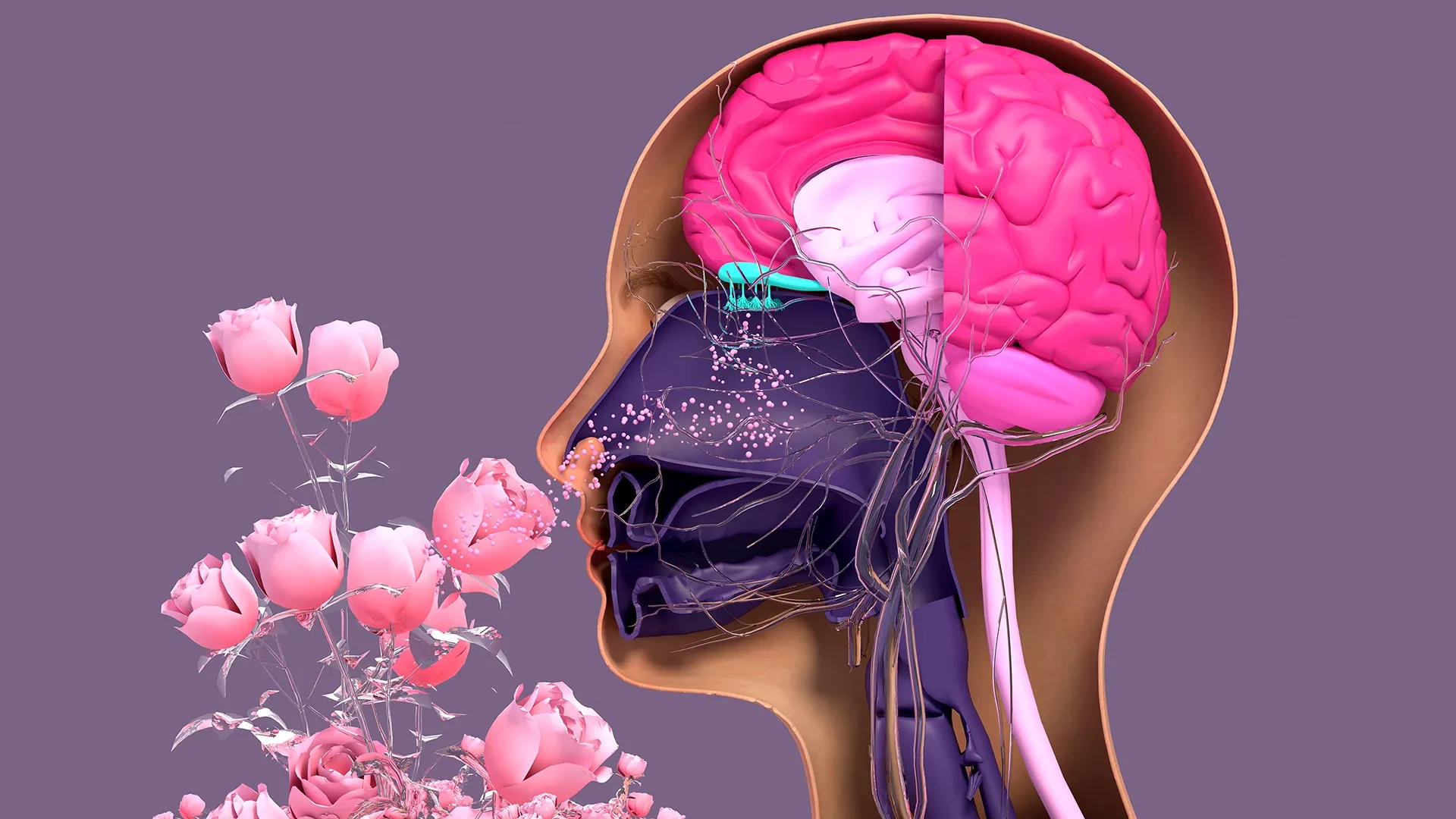
The implications of this research extend beyond the immediate recovery of smell for post-viral patients. The olfactory system is increasingly viewed by scientists as a window into the brain. Because the olfactory neurons are directly connected to the brain’s olfactory bulb, the nose is one of the few places where the nervous system is in direct contact with the external world.
There is a well-documented link between a declining sense of smell and the early stages of neurodegenerative diseases like Alzheimer’s and Parkinson’s. By understanding the fundamental mechanics of how nasal nerve tissue regenerates—and why that regeneration fails—researchers may gain broader insights into the regenerative limitations of the central nervous system as a whole.
For now, the Tufts study provides a vital piece of the puzzle. By identifying the critical role of the "dormant" horizontal basal cells and providing a new, accessible tool for study, the team has laid the groundwork for a new era of olfactory research. As the scientific community continues to grapple with the long-term sensory impacts of the modern environment and aging, the humble stem cells of the nose may hold the key to restoring one of our most essential connections to the world around us.