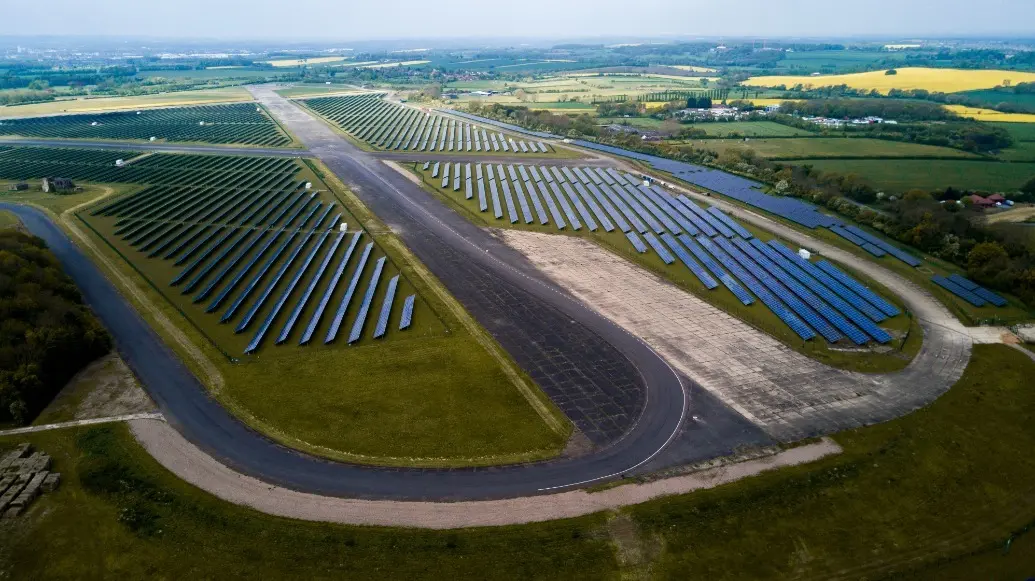
The Clean Power 2030 target is a cornerstone of the current government’s industrial strategy, aimed at making the UK a "clean energy superpower." The plan involves a rapid scaling up of offshore wind, solar power, and nuclear capacity, alongside the development of hydrogen and carbon capture technologies. While these are necessary steps for meeting international climate commitments, the nBS report suggests that the transition is entering a "crunch" phase. The infrastructure requirements for such a rapid overhaul of the national grid are immense, and the costs of these upgrades are increasingly being reflected in the bills of the nation’s largest employers.
The Capacity Market, which is highlighted as a major cost driver in the 2027/28 projections, remains a critical but expensive component of the UK’s energy strategy. As the country retires older, coal-fired and nuclear power stations, it becomes more dependent on intermittent renewable sources like wind and solar. To prevent blackouts during periods of low wind or high demand, the Capacity Market pays traditional gas plants and battery storage facilities to remain on standby. The projected cost of £523 per megawatt hour in early 2028 suggests that the price of ensuring grid stability is set to rise sharply as the 2030 deadline approaches and the margin for error in supply-and-demand balancing narrows.
The demand for more financial support from 86% of businesses points toward a need for a more sophisticated policy response. Industry leaders have previously called for measures such as a reduction in policy levies on industrial energy bills, more aggressive support for onsite generation and energy efficiency measures, and a more competitive carbon pricing regime. Without such interventions, there is a risk that the "Clean Power" mission could lead to "deindustrialization" if businesses find they can no longer afford to operate within the UK. The report serves as a reminder that the path to a green economy must be paved with economic safeguards that protect the very businesses that are expected to lead the transition.
As the UK moves closer to its 2030 goal, the tension between environmental necessity and economic reality is likely to intensify. The nBS Business Energy Tracker provides a clear signal to policymakers that while the destination is agreed upon, the current roadmap is creating significant distress. With energy costs projected to hit new peaks in the coming years and a widening price gap compared to European neighbors, the challenge for the government will be to maintain the momentum of the clean energy transition without compromising the financial stability and global standing of British business. The coming years will be a critical test of whether the UK can achieve its clean energy ambitions while ensuring that its industrial base remains energized and competitive.