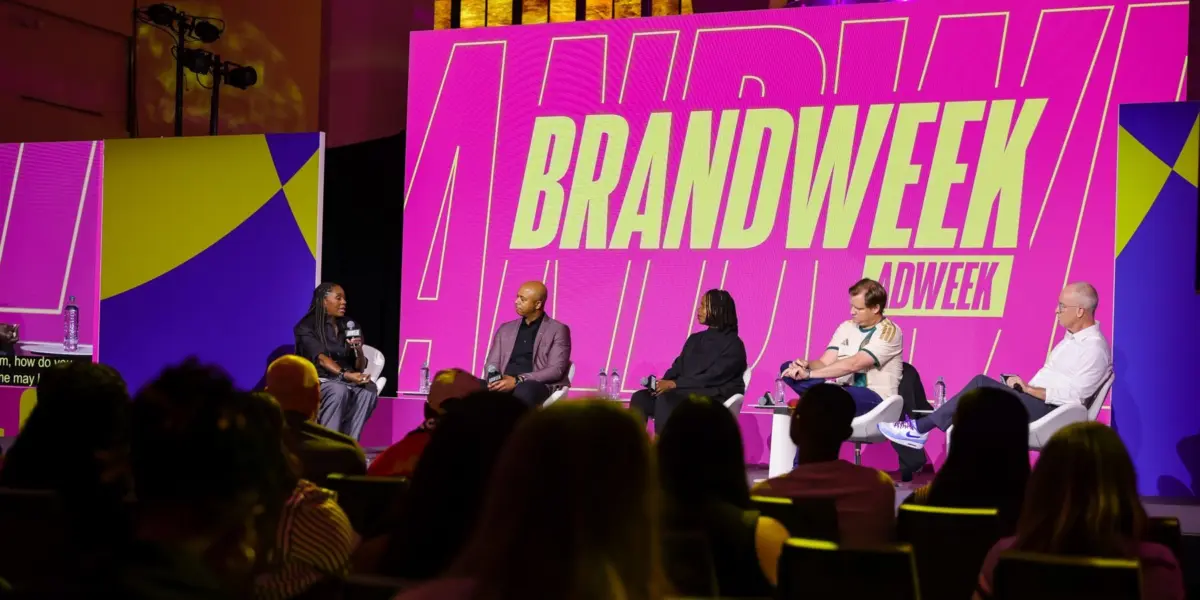
The intersection of professional sports and regional identity has long been a subject of study for brand architects, but in Atlanta, the relationship is evolving into something far more integrated than simple sponsorship or local pride. During the final day of Brandweek 2026, a gathering of the industry’s most prominent marketing minds, the conversation turned toward the unique ecosystem of the Georgia capital. The consensus among the city’s sports leaders was clear: in Atlanta, sports do not exist in a vacuum. Instead, they serve as a primary artery for the city’s broader cultural expression, weaving together threads of music, history, and community engagement into a singular brand narrative.
Shannon Watkins, the founder of Watkins Brand Advisors, set the tone for the discussion while moderating a featured session titled "Home Field Advantage." Watkins, a veteran brand strategist with deep roots in the intersection of lifestyle and corporate identity, challenged the traditional notion that sports marketing should be treated as a distinct category of consumer engagement. According to Watkins, the success of Atlanta’s professional franchises stems from their refusal to "operate in a different lane than music or history or community." In her view, sports in Atlanta is not just a pastime or a business sector; it is culture itself.
This philosophical approach to branding was echoed by a panel of executive leaders representing the four major professional sports pillars of the city. Joining Watkins on stage were Shannon Joyner, Chief Marketing Officer of the Atlanta Falcons; Melissa Proctor, Executive Vice President and Chief Marketing Officer for the Atlanta Hawks; Adam Zimmerman, Senior Vice President of Marketing and Content for the Atlanta Braves; and Mike Ridley, Vice President of Marketing for Atlanta United FC. Together, these executives oversee some of the most recognizable brands in professional sports, yet their strategies often look more like those of lifestyle brands or community organizations than traditional athletic departments.
The discussion at Brandweek highlighted how the city’s history—particularly its role as a cradle of the Civil Rights Movement and its emergence as a global capital for hip-hop and film production—has created a fertile ground for sports brands to grow. For these marketers, the challenge is not just selling tickets or merchandise, but ensuring that their respective teams reflect the soul of a city that is constantly reinventing itself. The "Home Field Advantage" isn’t just about the physical stadium; it is about the emotional and cultural resonance the teams have with a diverse and rapidly growing population.
Shannon Joyner of the Atlanta Falcons spoke to the necessity of the NFL franchise remaining deeply embedded in the local community. The Falcons, who play in the heart of the city at Mercedes-Benz Stadium, have long navigated the balance between being a global NFL brand and a local institution. Joyner’s work often focuses on how the team can represent the resilience and "Rise Up" spirit of Atlanta. This involves more than just game-day activations; it requires a year-round presence in the neighborhoods that surround the stadium, ensuring that the brand is seen as a neighbor rather than just a tenant. By aligning the Falcons with the city’s historical narrative of progress and community strength, the team creates a bond with fans that transcends wins and losses on the field.