The arrival of the autumn literary season traditionally signals a shift toward more rigorous intellectual inquiry and substantial narrative history. This October is no exception, as a formidable array of thinkers, historians, and cultural critics prepare to release works that grapple with the complexities of American identity, the failures of modern "innovation," and the moral weight of the country’s legal and social systems. From epistolary histories to sharp-edged critiques of the digital age, the upcoming selection of nonfiction promises to offer a profound look at the forces shaping the contemporary world.
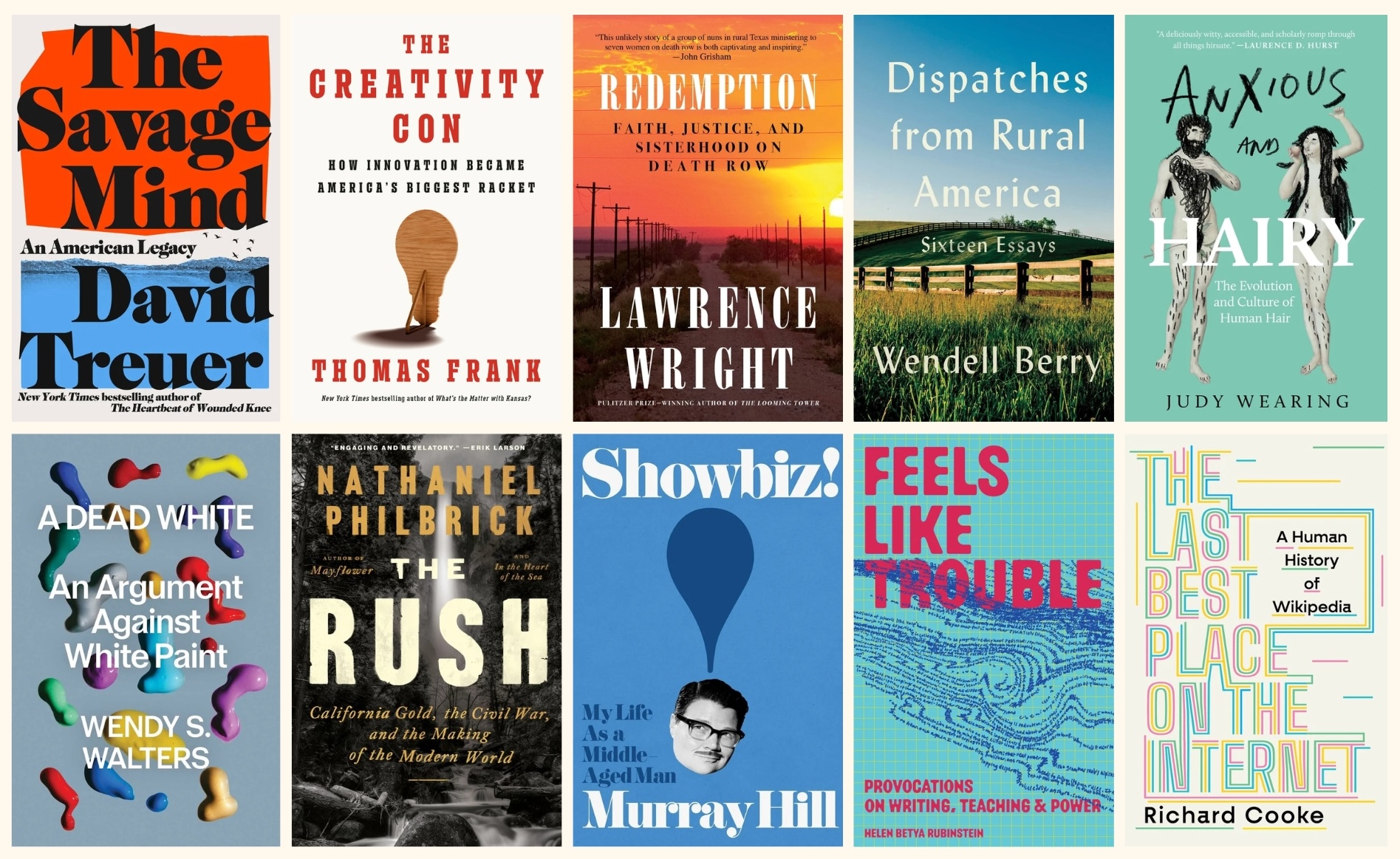
Among the most anticipated releases is a new work by David Treuer, an author who has established himself as a versatile and essential voice in American letters. Having moved seamlessly between fiction and memoir throughout his career, Treuer achieved significant national acclaim with his 2019 history, The Heartbeat of Wounded Knee, which was named a finalist for the National Book Award. His latest project, Savage Mind, finds him working in yet another form: the epistolary treatise.
Written as a letter to his three children, now in their late teens, Savage Mind is described as a masterclass in storytelling that blends the personal with the political. The book reportedly opens with a vivid account of reservation life—evoking the gritty, atmospheric prose of writers like Denis Johnson—before expanding into a wide-ranging exploration of the "American frontier." Treuer’s analysis goes beyond geography, examining the frontier as both a historical site of brutal violence and a persistent myth that continues to fuel the country’s imperial projects, both at home and abroad. By addressing his children directly, Treuer grounds these heavy historical themes in the intimate reality of a father attempting to explain the world to the next generation.
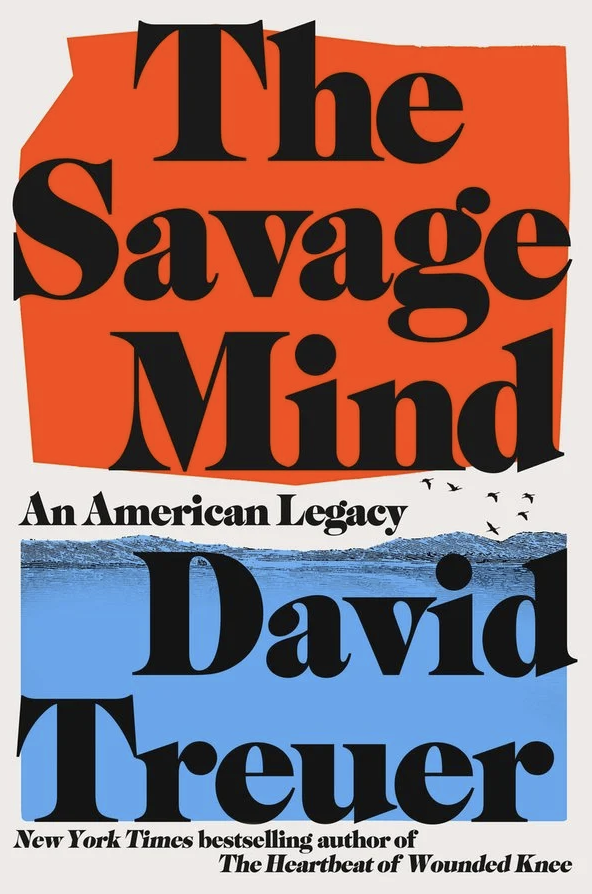
While Treuer looks at the myths of the past, Thomas Frank remains focused on the deceptions of the present. Known as one of the country’s most incisive critics of power and class, Frank returns this October with The Creativity Con. In this new volume, Frank applies his trademark skepticism and erudition to the "move fast and break things" ethos that has come to dominate the modern economy.
The Creativity Con serves as a scathing critique of the post-war era’s obsession with "innovation." Frank argues that this buzzword has frequently served as a convenient mask for a gallery of hucksters and conmen who use the promise of progress to justify a quick-fix, cliché-ridden approach to business. The result, according to Frank, is a system that systematically siphons wealth from the bottom to the top, leaving the general public in a more precarious state than before. With his characteristically acid wit, Frank challenges the narrative that modern disruption is inherently beneficial, suggesting instead that it is often a calculated effort to consolidate power under the guise of creativity.
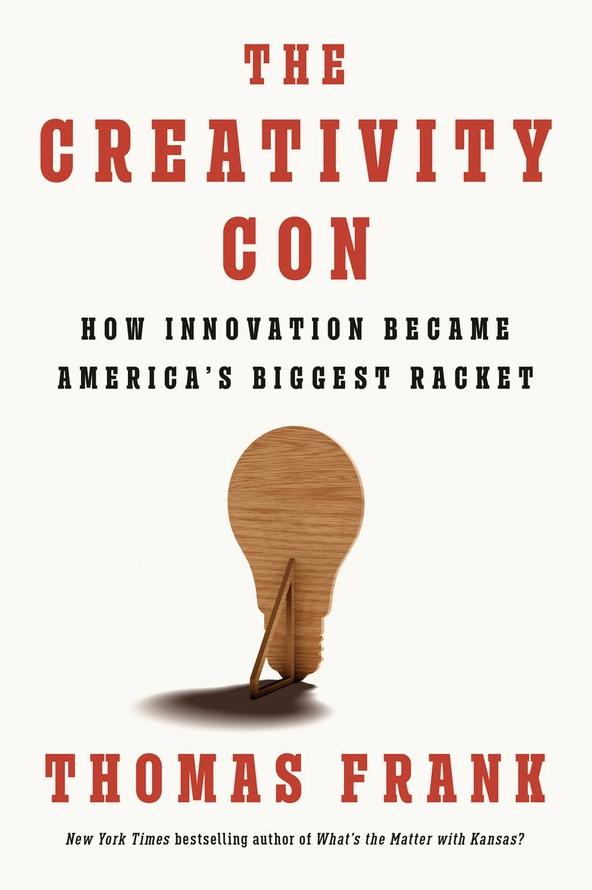
The moral landscape of the American legal system is also under the microscope this month, as Lawrence Wright releases Redemption. Wright, a giant of narrative journalism, has built a career on tackling massive, complex subjects with clarity and depth. In Redemption, he turns his attention to the urgent issue of capital punishment, viewed through a deeply human lens.
The book follows the unlikely relationship between a group of nuns and women living on death row at a prison in Gatesville, Texas. As the nuns attempt to tend to the spiritual and emotional needs of the incarcerated women, Wright uses their interactions to reveal the inherent contradictions and systemic injustices at the heart of the American justice system. It is a work that promises to be as challenging as it is compassionate, forcing readers to confront the human reality of a legal mechanism that is often discussed only in the abstract.