As the autumn of 2026 settles into the literary consciousness, the first week of October has proven to be a period of profound introspection for the writing community. From the existential challenges posed by artificial intelligence to the harrowing parallels between historical political shifts and the current American landscape, the literary internet has been a hive of critical analysis and creative celebration. This week’s digest from Literary Hub serves as a compass for navigating these complex waters, marking the birthday of a Nobel laureate while simultaneously looking toward an uncertain, yet vibrant, future of letters.
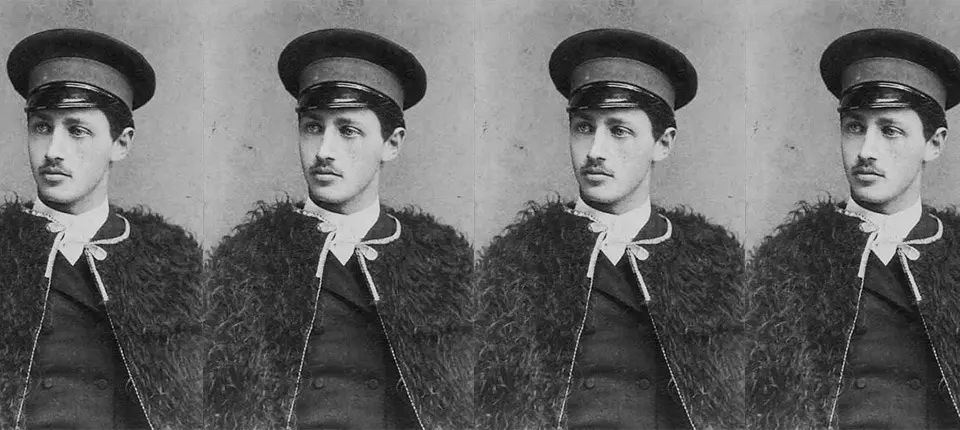
The week began with a significant milestone in literary history: the anniversary of the birth of Ivan Bunin in 1870. As the first Russian writer to be awarded the Nobel Prize in Literature, Bunin’s legacy remains a cornerstone of the European canon. His work, characterized by its "strict artistry" and a deep, often melancholic engagement with the Russian landscape and the human condition, feels particularly resonant in a week where many writers are grappling with the preservation of cultural memory. Bunin’s life—marked by exile and the preservation of a "lost Russia" through prose—mirrors the contemporary struggles of writers who find themselves displaced by modern conflicts.
A central theme dominating the discourse this week is the intersection of technology and the creative spirit. In an era where generative artificial intelligence has moved from a novelty to a ubiquitous presence in the creative industries, the question of what constitutes "the soul" of a work has moved to the forefront of the debate. The prevailing sentiment among critics and practitioners alike is that while AI can mimic structure, syntax, and even the stylistic tics of great authors, the "writer’s soul" remains the one element that cannot be replicated. This intangible quality—born of lived experience, suffering, and the uniquely human capacity for irrational insight—is increasingly being viewed as the final bastion of the professional writer. The discussion suggests that as the building blocks of language become automated, the value of the human perspective will only increase, provided the industry continues to prioritize the "soul" over mere production.
This focus on the human element extends into the evolving landscape of identity. The language of Latinx identity continues to shift, reflecting a community that is far from monolithic. Recent recommendations in Latinx literature highlight a growing body of work that rejects easy categorization, instead opting for a nuanced exploration of history, geography, and the linguistic "medicine" that storytelling provides. Similarly, the exploration of "trans poetics" has sparked a vital conversation about the perceived failures of language to fully capture the complexity of "becoming." Writers in this space are pushing the boundaries of traditional verse to find new ways to express the fluid nature of gender and selfhood, suggesting that when standard language fails, poetry must step in to bridge the gap.
The week also saw a renewed interest in the legacies of feminist icons. A deep dive into the influence of activist Robin Morgan on the estate and reputation of Sylvia Plath reveals the intricate, often behind-the-scenes work required to preserve a literary legacy. This historical context is paired with a thematic analysis of Plath’s own work, specifically the cycles of life and death that permeate her poetry. By examining how Plath’s work continues to speak to new generations, critics are highlighting the enduring power of the "confessional" mode and its ability to transcend the era in which it was written. This historical thread continues with an exploration of the decades-long friendship between Hannah Arendt and Mary McCarthy, offering a glimpse into an intellectual intimacy that shaped mid-century political and literary thought.