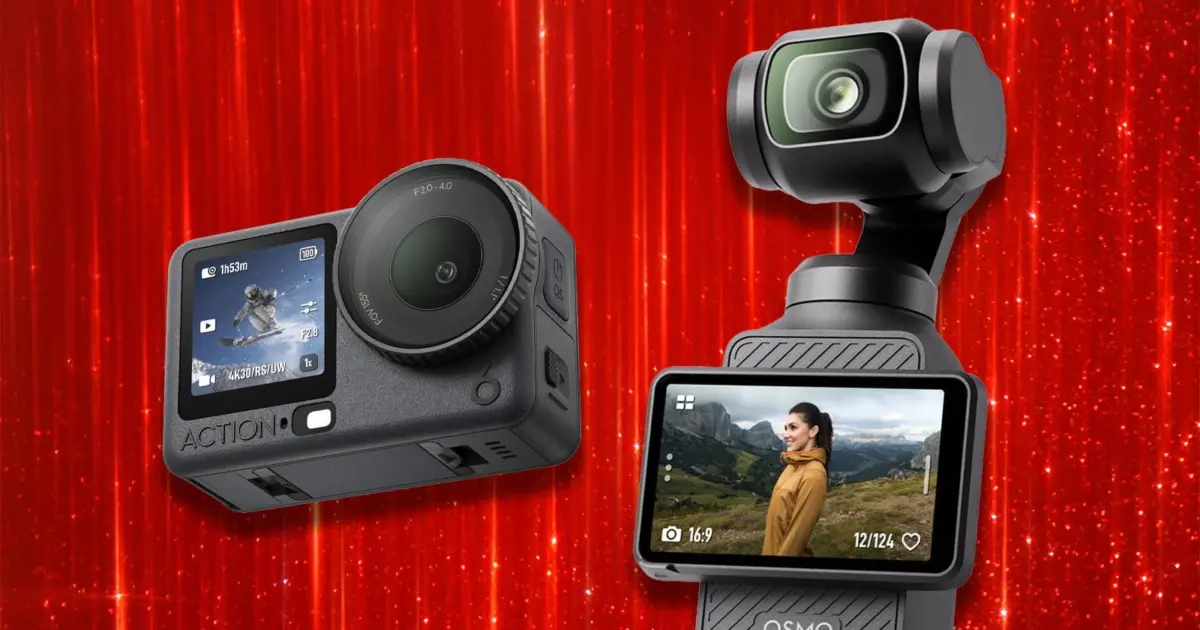
In contrast, the handheld smart camera market operates on much thinner margins and faces intense downward pressure on pricing. Devices like the Insta360 Luna Ultra retail for around $770, and even minor price fluctuations of $50 can significantly influence a consumer’s purchasing decision. In the traditional market, a $50 difference is negligible when compared to the cost of a $3,000 professional kit. This means that while smart cameras lead in volume, the value per unit remains vastly higher in the traditional sector.
Despite these differences, the growth trajectory of the smart camera market is undeniable. IDC’s projections suggest that the market is nowhere near its ceiling, with an estimated 40 million units expected to be shipped annually by 2030. This growth is being driven by the relentless demand for short-form video content on platforms like TikTok, Instagram, and YouTube, where the speed of capture and ease of stabilization are often more important than raw sensor size.

The success of DJI and Insta360 also points to a fundamental difference in how these companies operate compared to the "old guard" of the camera world. Traditional companies like Canon and Nikon have historically been slow to embrace the "smart" features that modern creators demand, such as seamless smartphone integration, AI-driven tracking, and vertical-native shooting modes. By building these features into the core of their products, the newer players have managed to align themselves more closely with the needs of the modern digital native.
As the industry looks toward the end of the decade, the primary question remains whether traditional camera manufacturers will attempt to reclaim this lost ground by launching their own "smart" handheld devices, or if they will continue to retreat into the high-end professional niche. Conversely, there is the question of how much more room the handheld market has to grow and whether these devices will eventually evolve into full-fledged alternatives to traditional cameras for high-end production.
For now, the data from 2025 serves as a clear indicator of a new era in imaging. The dominance of DJI and the rapid rise of Insta360 reflect a world where the most successful camera is often the one that is the easiest to use, the easiest to carry, and the smartest at helping the user tell a story. While the traditional Japanese giants remain the masters of high-end optics, the sheer volume of the handheld smart camera market suggests that the future of photography and videography is increasingly being shaped by a new set of rules.