The global landscape of visual technology is undergoing a seismic shift, as newly released data reveals that the "handheld smart camera" market is now outpacing the traditional digital camera industry by a staggering margin. According to recent research published by the technology intelligence firm IDC, the market for action cameras, 360-degree cameras, and gimbal-stabilized devices has seen an unprecedented surge in demand, with market leader DJI now shipping more units individually than all Japanese camera manufacturers combined.
The IDC report highlights a transformative year for the sector in 2025, during which the global handheld smart camera market reached a total of 16.65 million units. This figure represents a massive 83% year-over-year increase, signaling a profound change in consumer behavior and the ways in which both professional creators and hobbyists are choosing to document their lives. The financial implications of this growth are equally dramatic; total sales for the category exceeded 46 billion yuan, approximately $6.875 trillion at current exchange rates, marking an 86% jump compared to 2024.
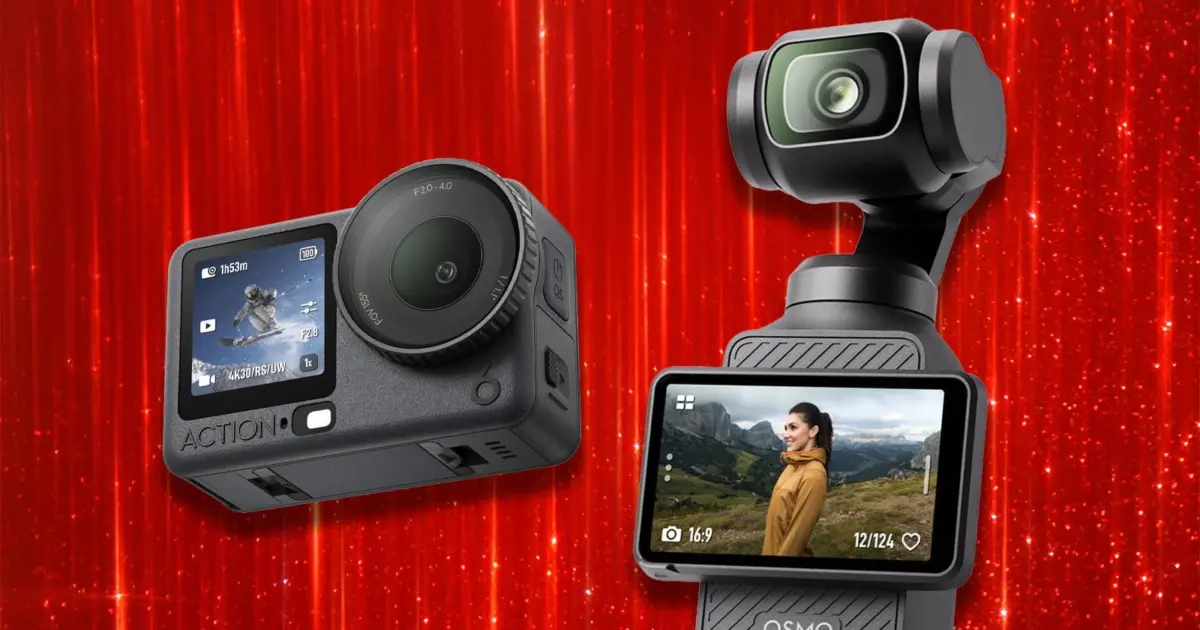
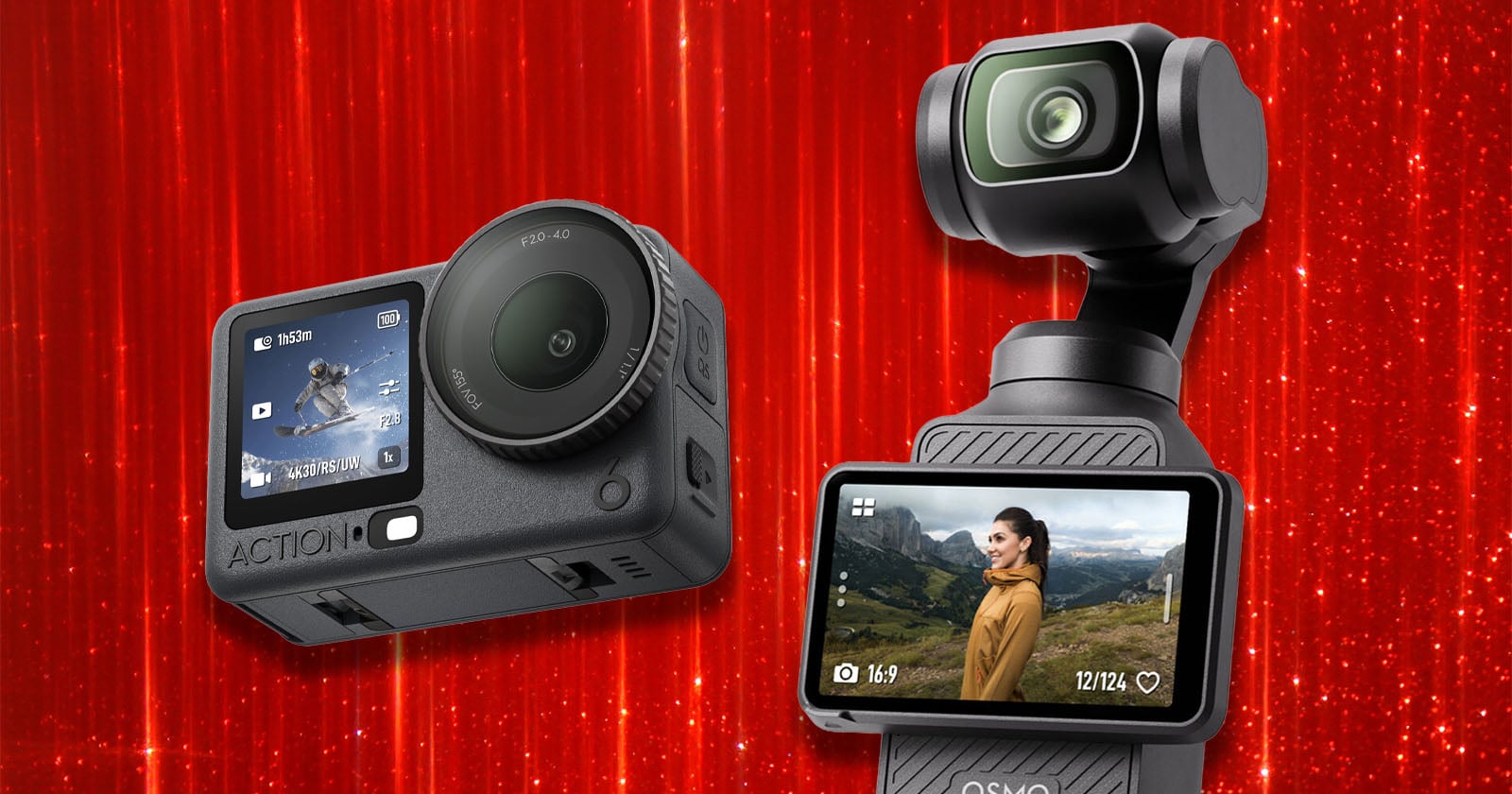
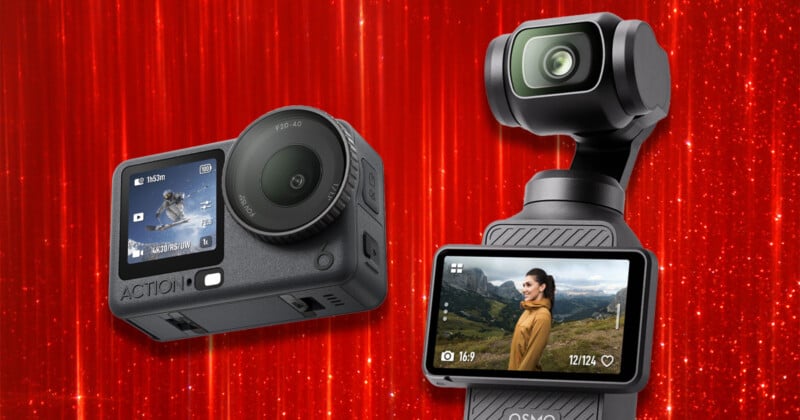
This category, defined by IDC as "handheld smart cameras," encompasses a diverse array of hardware designed for portability, ease of use, and specialized stabilization. It includes the ubiquitous action camera, 360-degree immersive cameras, and the increasingly popular gimbal-integrated cameras such as the DJI Osmo Pocket series and the newer Insta360 Luna Series. While the market is currently dominated by Chinese technology giants, the data accounts for all global manufacturers, including the American pioneer GoPro.
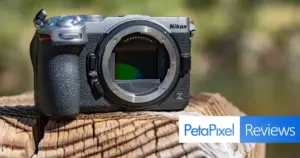
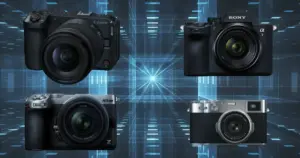
The rapid ascent of these devices stands in sharp contrast to the traditional digital camera market, which is largely tracked by the Camera & Imaging Products Association (CIPA). CIPA’s membership consists primarily of Japanese industry titans such as Canon, Nikon, Sony, and Fujifilm. While the traditional market has also enjoyed a period of stability and growth, its scale is being dwarfed by the volume of smart camera shipments.
In 2025, the traditional photo industry reported its fourth consecutive year of growth, with total digital camera sales reaching 9.44 million units. This total includes everything from high-end mirrorless systems and traditional DSLRs to compact fixed-lens cameras. While 9.44 million units represents the industry’s strongest performance since 2019—and a significant recovery from the market’s low point in 2023—it was ultimately not enough to keep pace with the sheer volume of a single company: DJI.
According to IDC, DJI alone shipped 10.4 million handheld cameras in 2025. This milestone marks the first time the company has surpassed the 10-million-unit threshold in this specific category, effectively out-shipping the entire collective of Japanese camera makers. The achievement underscores DJI’s successful transition from a drone-centric company to a dominant force in the broader imaging world. By leveraging its expertise in stabilization and miniaturization, DJI has managed to capture a segment of the market that values "ready-to-shoot" convenience over the modular complexity of traditional camera systems.
However, the road ahead for DJI is not without potential obstacles. The company continues to face significant regulatory scrutiny in the United States, particularly regarding ongoing issues with the Federal Communications Commission (FCC). As one of the world’s largest consumer technology markets, any significant trade or regulatory restrictions in the U.S. could heavily impact DJI’s shipment volumes in the coming years.
DJI is not the only Chinese manufacturer seeing explosive success. Insta360, a company that has built a reputation for innovation in the 360-degree and modular camera space, shipped 3.4 million handheld cameras in 2025. To put that number into perspective, Insta360’s shipments alone accounted for more than half of the total number of mirrorless cameras shipped by all Japanese companies combined during the same period.
When the numbers for DJI and Insta360 are combined, the shift in market power becomes even more apparent. Together, the two companies shipped approximately 13.8 million cameras in 2025. This total is more than double the 6.1 million mirrorless units shipped by CIPA members last year. This data suggests that while the "prosumer" and professional markets still rely heavily on mirrorless technology, the broader consumer and social media creator markets have moved decisively toward smart, specialized handheld devices.
As these Chinese behemoths continue to expand their reach, the original market leader, GoPro, has found itself in an increasingly precarious position. Once the undisputed king of the action camera, GoPro has seen a consistent loss of market share to its more diversified competitors. This trend has had a significant financial impact on the American company, which reported a loss of $51 million in a recent quarter. The struggle for GoPro highlights the intense pressure in a market where rapid innovation cycles and aggressive pricing are the norms.
Industry analysts are careful to note, however, that the rise of the smart camera does not necessarily spell doom for the traditional camera industry. The two markets, while overlapping in some areas, serve distinct needs and often coexist within a single creator’s toolkit. A professional photographer may use a Sony Alpha or Nikon Z-series camera for high-resolution stills and commercial video, while simultaneously utilizing a DJI Osmo Pocket 3 for behind-the-scenes content or an Insta360 for unique perspective shots.
The distinction between the two markets is perhaps most evident in their pricing structures and profit margins. The traditional digital camera market remains a high-margin field. A modern interchangeable-lens camera body often costs thousands of dollars, with high-quality lenses adding significantly to the total investment. These systems are marketed toward professionals and serious enthusiasts who require the specific image quality and optical flexibility that only large sensors and specialized glass can provide.
In contrast, the handheld smart camera market operates on much thinner margins and faces intense downward pressure on pricing. Devices like the Insta360 Luna Ultra retail for around $770, and even minor price fluctuations of $50 can significantly influence a consumer’s purchasing decision. In the traditional market, a $50 difference is negligible when compared to the cost of a $3,000 professional kit. This means that while smart cameras lead in volume, the value per unit remains vastly higher in the traditional sector.
Despite these differences, the growth trajectory of the smart camera market is undeniable. IDC’s projections suggest that the market is nowhere near its ceiling, with an estimated 40 million units expected to be shipped annually by 2030. This growth is being driven by the relentless demand for short-form video content on platforms like TikTok, Instagram, and YouTube, where the speed of capture and ease of stabilization are often more important than raw sensor size.

The success of DJI and Insta360 also points to a fundamental difference in how these companies operate compared to the "old guard" of the camera world. Traditional companies like Canon and Nikon have historically been slow to embrace the "smart" features that modern creators demand, such as seamless smartphone integration, AI-driven tracking, and vertical-native shooting modes. By building these features into the core of their products, the newer players have managed to align themselves more closely with the needs of the modern digital native.
As the industry looks toward the end of the decade, the primary question remains whether traditional camera manufacturers will attempt to reclaim this lost ground by launching their own "smart" handheld devices, or if they will continue to retreat into the high-end professional niche. Conversely, there is the question of how much more room the handheld market has to grow and whether these devices will eventually evolve into full-fledged alternatives to traditional cameras for high-end production.
For now, the data from 2025 serves as a clear indicator of a new era in imaging. The dominance of DJI and the rapid rise of Insta360 reflect a world where the most successful camera is often the one that is the easiest to use, the easiest to carry, and the smartest at helping the user tell a story. While the traditional Japanese giants remain the masters of high-end optics, the sheer volume of the handheld smart camera market suggests that the future of photography and videography is increasingly being shaped by a new set of rules.