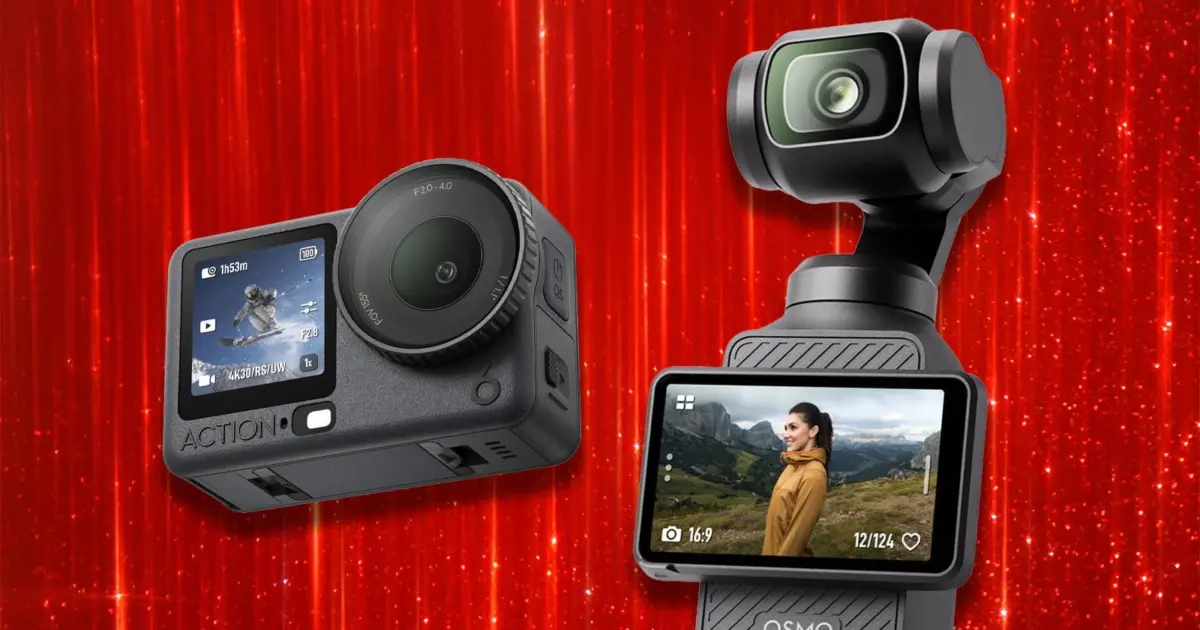
However, the road ahead for DJI is not without potential obstacles. The company continues to face significant regulatory scrutiny in the United States, particularly regarding ongoing issues with the Federal Communications Commission (FCC). As one of the world’s largest consumer technology markets, any significant trade or regulatory restrictions in the U.S. could heavily impact DJI’s shipment volumes in the coming years.
DJI is not the only Chinese manufacturer seeing explosive success. Insta360, a company that has built a reputation for innovation in the 360-degree and modular camera space, shipped 3.4 million handheld cameras in 2025. To put that number into perspective, Insta360’s shipments alone accounted for more than half of the total number of mirrorless cameras shipped by all Japanese companies combined during the same period.
When the numbers for DJI and Insta360 are combined, the shift in market power becomes even more apparent. Together, the two companies shipped approximately 13.8 million cameras in 2025. This total is more than double the 6.1 million mirrorless units shipped by CIPA members last year. This data suggests that while the "prosumer" and professional markets still rely heavily on mirrorless technology, the broader consumer and social media creator markets have moved decisively toward smart, specialized handheld devices.
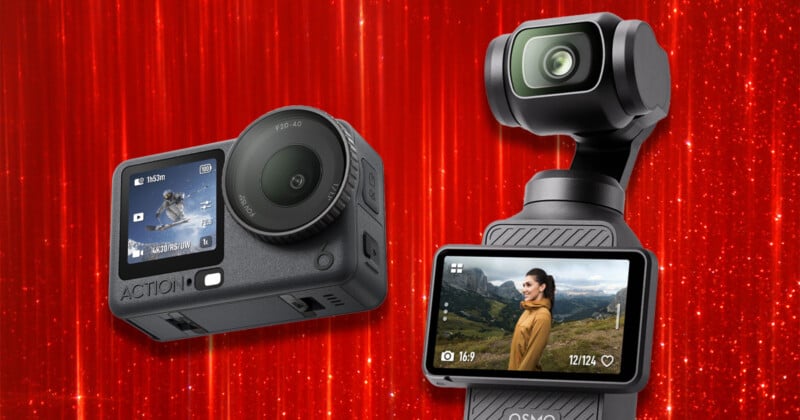
As these Chinese behemoths continue to expand their reach, the original market leader, GoPro, has found itself in an increasingly precarious position. Once the undisputed king of the action camera, GoPro has seen a consistent loss of market share to its more diversified competitors. This trend has had a significant financial impact on the American company, which reported a loss of $51 million in a recent quarter. The struggle for GoPro highlights the intense pressure in a market where rapid innovation cycles and aggressive pricing are the norms.
Industry analysts are careful to note, however, that the rise of the smart camera does not necessarily spell doom for the traditional camera industry. The two markets, while overlapping in some areas, serve distinct needs and often coexist within a single creator’s toolkit. A professional photographer may use a Sony Alpha or Nikon Z-series camera for high-resolution stills and commercial video, while simultaneously utilizing a DJI Osmo Pocket 3 for behind-the-scenes content or an Insta360 for unique perspective shots.
The distinction between the two markets is perhaps most evident in their pricing structures and profit margins. The traditional digital camera market remains a high-margin field. A modern interchangeable-lens camera body often costs thousands of dollars, with high-quality lenses adding significantly to the total investment. These systems are marketed toward professionals and serious enthusiasts who require the specific image quality and optical flexibility that only large sensors and specialized glass can provide.