The Toll on Workers and Crowdfunder Wipeout
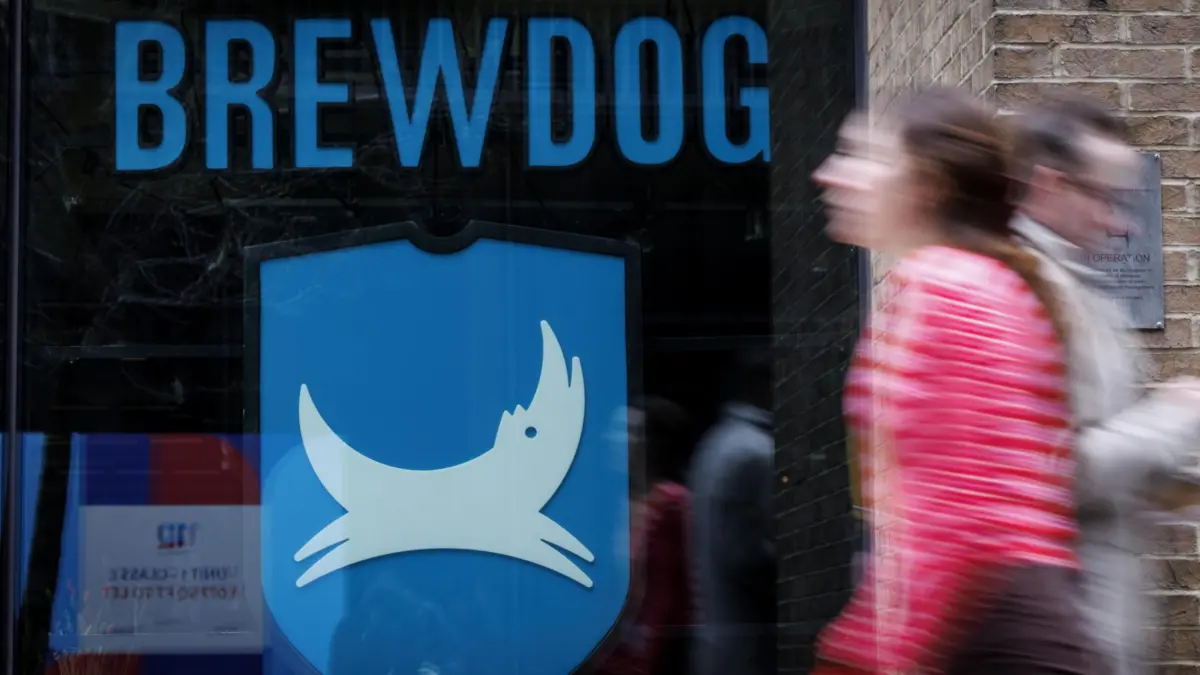
The human cost of the collapse became apparent in March when the rescue deal with Tilray was finalized. While 736 employees successfully transferred to the US drinks firm as part of the acquisition—which saw Tilray take control of the BrewDog brand, its UK operations, and 11 retained bars—some 440 staff members were made redundant overnight.
Because the retail administration lacks the funds to pay out the £489,000 owed for wages and holiday entitlement, these redundant workers have been forced to seek financial redress through alternative channels. The administrators confirmed they have provided the affected staff with the necessary information and guidance to lodge claims with the UK government’s Insolvency Service, which acts as a safety net to pay statutory redundancy and unpaid wages when an employer enters bankruptcy.
For the company’s pioneering base of retail investors, the administration has brought a similarly painful end. The collapse has officially rendered the shares of approximately 200,000 crowdfunding investors completely worthless.

Earlier this year, AlixPartners confirmed that participants in the company’s famous "Equity for Punks" crowdfunding initiatives would receive no return on their investments. Under these schemes, which ran across multiple rounds over more than a decade, supporters typically invested around £500 each—though many passionate brand advocates invested significantly larger sums. In exchange, they received a small equity stake in the company, alongside product discounts, exclusive event access, and various promotional perks. The administrators have now formally stated that these shares hold "no value" whatsoever.
Staff Apology
BrewDog was established in 2007 by close friends James Watt and Martin Dickie in Fraserburgh, Aberdeenshire. Driven by an irreverent, anti-establishment marketing style and a rapid expansion strategy, the company grew rapidly. At its peak, the brand operated four production breweries and maintained a footprint of approximately 100 bars and pubs situated in major cities across the globe.
Following the collapse and the subsequent sale of the business assets to Tilray, co-founder James Watt expressed his deep regret over the outcome. Watt stated that he was "heartbroken" by the demise of the corporate structure he helped build, and offered a formal apology to both the staff members who lost their livelihoods and the hundreds of thousands of crowdfunding investors who lost their capital.
The brand’s new owner, Tilray, has been approached for comment regarding the ongoing administration process and the closure of the retail estate.