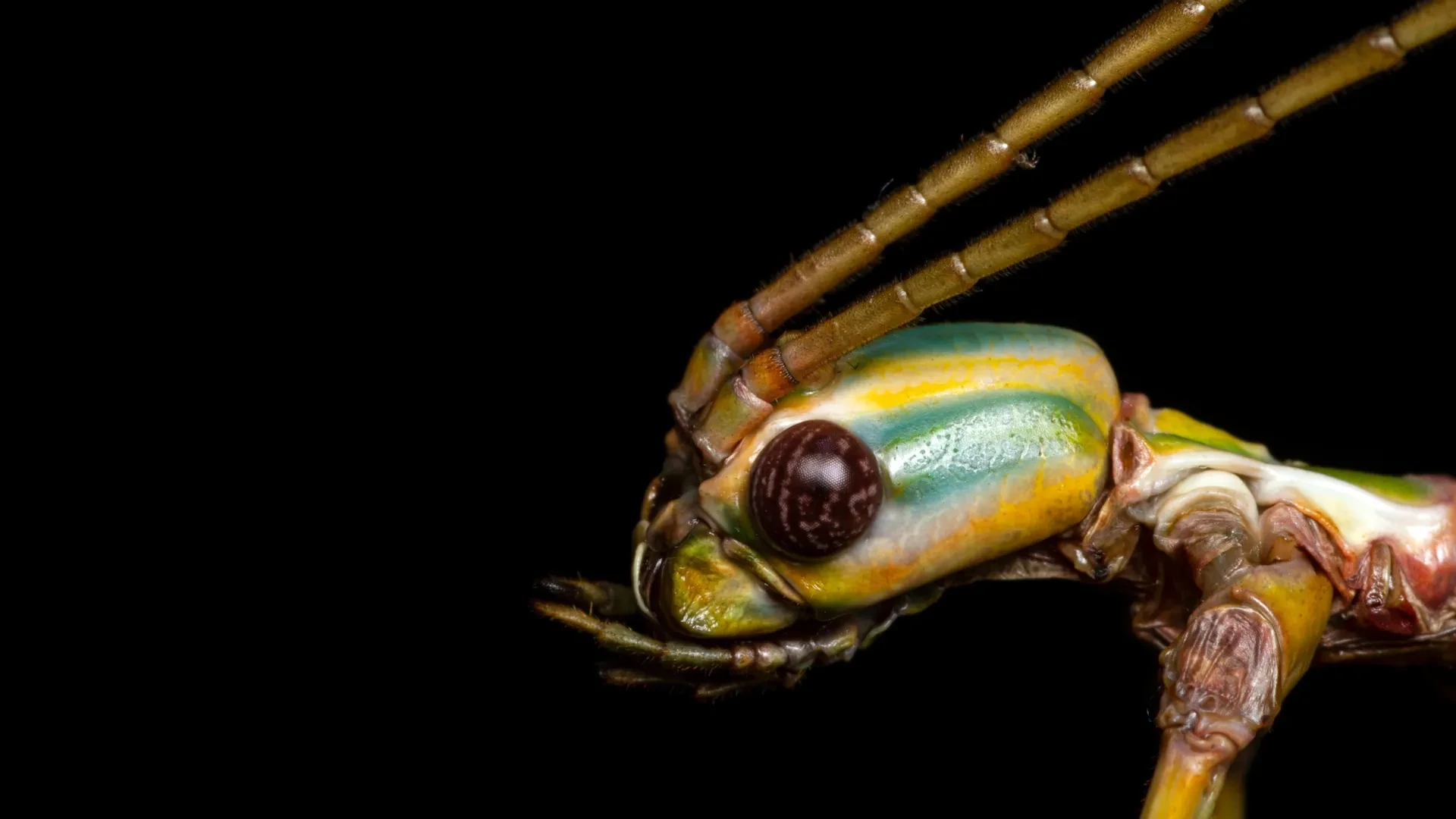
Discovery Could Help Forestry and Agriculture
While the discovery of new species is a triumph for pure science, the revised classification of these insects also carries significant practical weight for Australia’s primary industries. The study’s implications reach far beyond the laboratory and into the fields of forestry and agriculture.
Historically, certain species of large stick insects in Australia have been known to reach "plague-like" population levels. When these populations explode, the insects can cause devastating defoliation, stripping the leaves from entire stands of trees. This has previously caused concern for land managers and the forestry industry, as mass defoliation can stunt tree growth or even lead to widespread tree death.
The University of Sydney study revealed that the insects responsible for these occasional outbreaks actually represent more than one species. By distinguishing between these species, scientists can now begin to investigate whether one species is more prone to population surges than others, or if they respond differently to various environmental triggers like temperature and rainfall.
"Distinguishing between those species could help researchers and land managers better understand and manage future impacts on forestry and agriculture," the study suggests. If land managers know exactly which species they are dealing with, they can develop more targeted and effective management strategies, potentially saving millions of dollars in timber assets and protecting agricultural borders.
Furthermore, the study hints that the work is far from over. The researchers identified a potential third new species from the remote Cape York Peninsula. While the genetic and physical data suggests it is a unique, undescribed species, the team is currently awaiting additional specimens to confirm its identity with the rigor required for a formal description. This "candidate species" serves as a tantalizing hint of the further secrets the Australian tropics may hold.
The research was a collaborative effort supported by several major institutions. Funding was provided by the Australian Biological Resources Study (ABRS) through the National Taxonomy Research Grant of the Commonwealth Department of Climate Change, Energy, the Environment and Water. Additional support came from a CSIRO postgraduate scholarship, highlighting the importance of government and institutional backing in maintaining Australia’s scientific edge in biodiversity research.
As Dr. Jones concluded, the clock is ticking for many of these undocumented species. The discovery of Anchiale mabiensis in a critically endangered rainforest underscores the precariousness of Australia’s wildlife.
"These findings demonstrate the importance of protecting threatened ecosystems and documenting Australia’s extraordinary biodiversity before we lose species without us having even discovered them," Dr. Jones said. His words serve as a call to action for both the scientific community and the public to continue the "detective work" of exploring and protecting the natural world, ensuring that the country’s unique evolutionary heritage is preserved for generations to come.