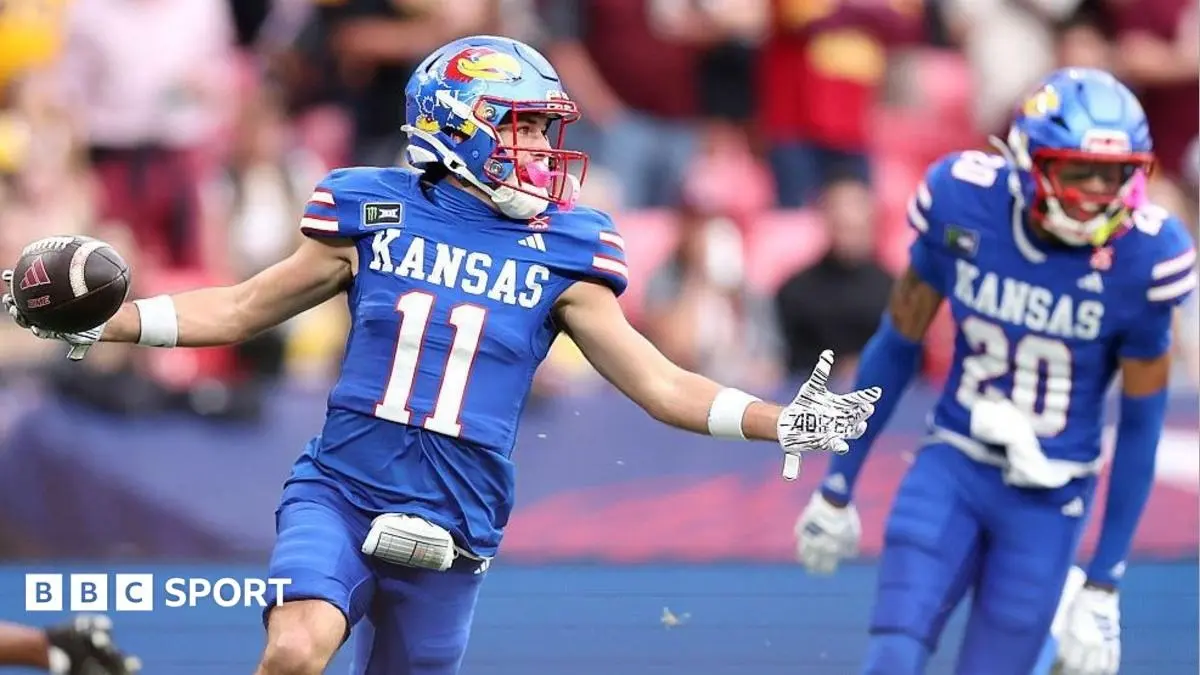
On the field, the game itself struggled to match the electric energy of the pre-game festivities. Although both offenses produced occasional big plays, the contest was less explosive than anticipated. Arizona State ultimately secured a 24-17 victory, a scoreline that observers felt somewhat flattered a struggling Kansas team. To keep the crowd engaged, organizers integrated live musical acts throughout the game and presented a coordinated light show during the third quarter. While these elements succeeded in giving British fans a distinct flavor of the American college sports experience, the game ultimately lacked some of the sheer pomp and circumstance that defines a Saturday afternoon in the United States. The traveling contingents of band members and cheerleaders were notably smaller than those seen at domestic games, and the crowd noise naturally fell short of the deafening levels typically found at ASU home games, where the Sun Devils averaged 54,000 fans last season.
Nevertheless, for the participants themselves, the journey was a monumental success. Both universities brought travel squads of 105 student-athletes. Remarkably, 90 percent of these young players did not even own a passport prior to this trip. The journey offered many players, staff members, and coaches’ families their very first opportunity to travel outside of the United States. ASU head coach Kenny Dillingham reflected on the broader impact of the trip, stating that his program had been granted "an experience they will remember for the rest of their lives." Kansas head coach Lance Leipold echoed these sentiments, praising the outstanding hospitality they received in London and noting that the team’s hotel and practice facilities were a major "win" for their operations.
The broader business implications of the game are already shaping the future of college football’s international expansion. Both ASU and Kansas compete in the Big 12 Conference, and the league’s commissioner, Brett Yormark, was highly enthusiastic about the venture’s success. Yormark stated that the event exceeded his expectations in every metric, from the turnout and logistical execution to the warm embrace of the local London community. "It’s been fantastic, so we want more," Yormark declared.
This ambition is backed by concrete plans. The UJC has secured an exclusive, multi-year agreement with Wembley Stadium to host future collegiate games. According to Yormark, several other Big 12 institutions have already expressed a strong interest in making the trip to London in the coming years. The conference is no stranger to international waters, having already played two successful games in Dublin, Ireland, over the past 13 months. Looking ahead, the Big 12 is actively exploring further expansion into other international markets.
Yormark revealed that the demand for the conference’s sports properties is exceptionally high, noting that he receives inquiries every two weeks from international representatives looking to bring Big 12 matchups to their respective countries. Fans eager to see which schools will next cross the Atlantic will not have to wait long; the commissioner confirmed that an official announcement regarding next year’s London fixture is expected to be made within the next month or two. That timeline will afford British American football enthusiasts plenty of opportunity to study up on the traditions, fight songs, and rivalries of the next two universities set to bring their unique brand of gridiron passion to the United Kingdom.