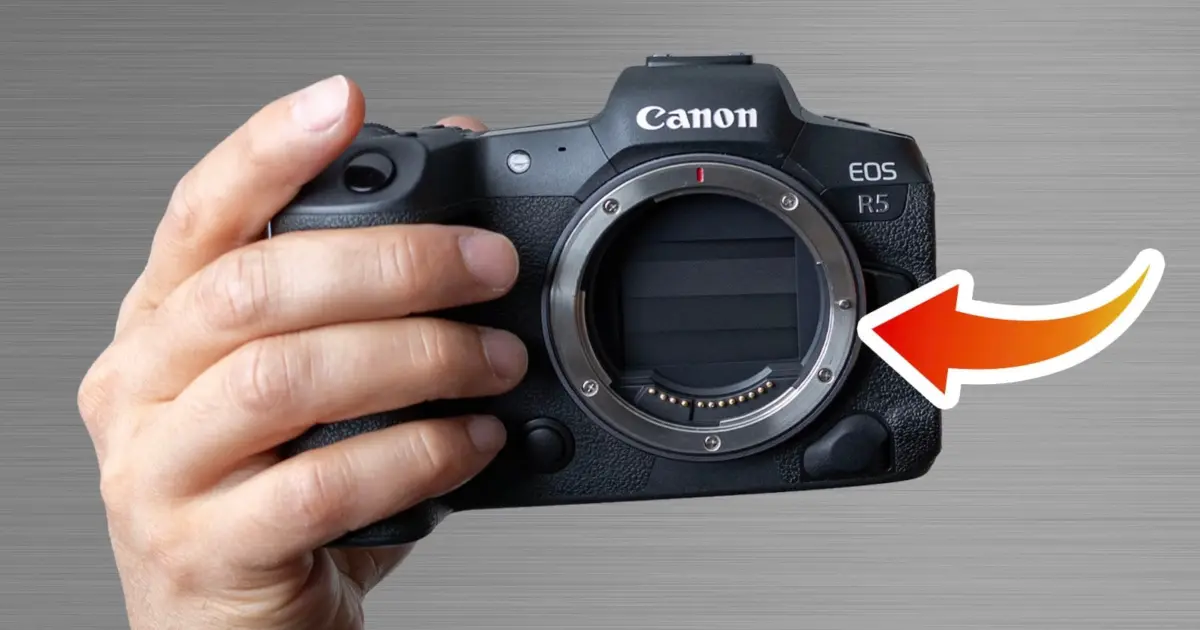
In a legal battle that has sent shockwaves through the imaging industry, a Chinese court has delivered a ruling that could fundamentally dismantle the "closed" nature of modern mirrorless camera mounts. The conflict began in January, when Nikon filed a high-profile lawsuit against the Chinese lens manufacturer Viltrox. Nikon alleged that Viltrox had violated its intellectual property regarding the Z-mount—the proprietary connection between Nikon’s mirrorless cameras and lenses—and sought both royalties and significant damages.
However, this past summer, the China National Intellectual Property Administration (CNIPA) disagreed with the Japanese imaging giant, ruling instead in favor of Viltrox. This decision does more than just protect one third-party manufacturer; it sets a major legal precedent that could directly impact the business model of Canon, which currently maintains the only truly closed mirrorless camera mount in the industry.
The central question now facing the industry is one of legal logic: if Nikon’s Z-mount patent is deemed invalid or unenforceable in the world’s second-largest camera market, what makes Canon’s RF-mount any more defensible? To understand the potential for a "domino effect" across the industry, one must first examine the specific reasons why Nikon lost its case against Viltrox.
The Anatomy of Nikon’s Loss
The CNIPA’s decision was not merely a dismissal of damages; it was a comprehensive invalidation of one of Nikon’s core Z-mount design patents. This specific patent covered the physical and electronic architecture of the mount, including the dimensions and placement of the bayonet tabs, the terminal pins, and the overall electronic layout that allows the camera body to communicate with the lens.
In its ruling, the CNIPA determined that Nikon’s patent lacked what is known in Chinese law as an "inventive step." This concept is the legal equivalent of the "non-obviousness" standard used in United States patent law. The court concluded that making minor adjustments to the length, angle, and arrangement of bayonet lugs or terminal pins over existing camera mounts—such as Nikon’s own legacy F-mount—was a routine engineering choice rather than a patentable breakthrough.
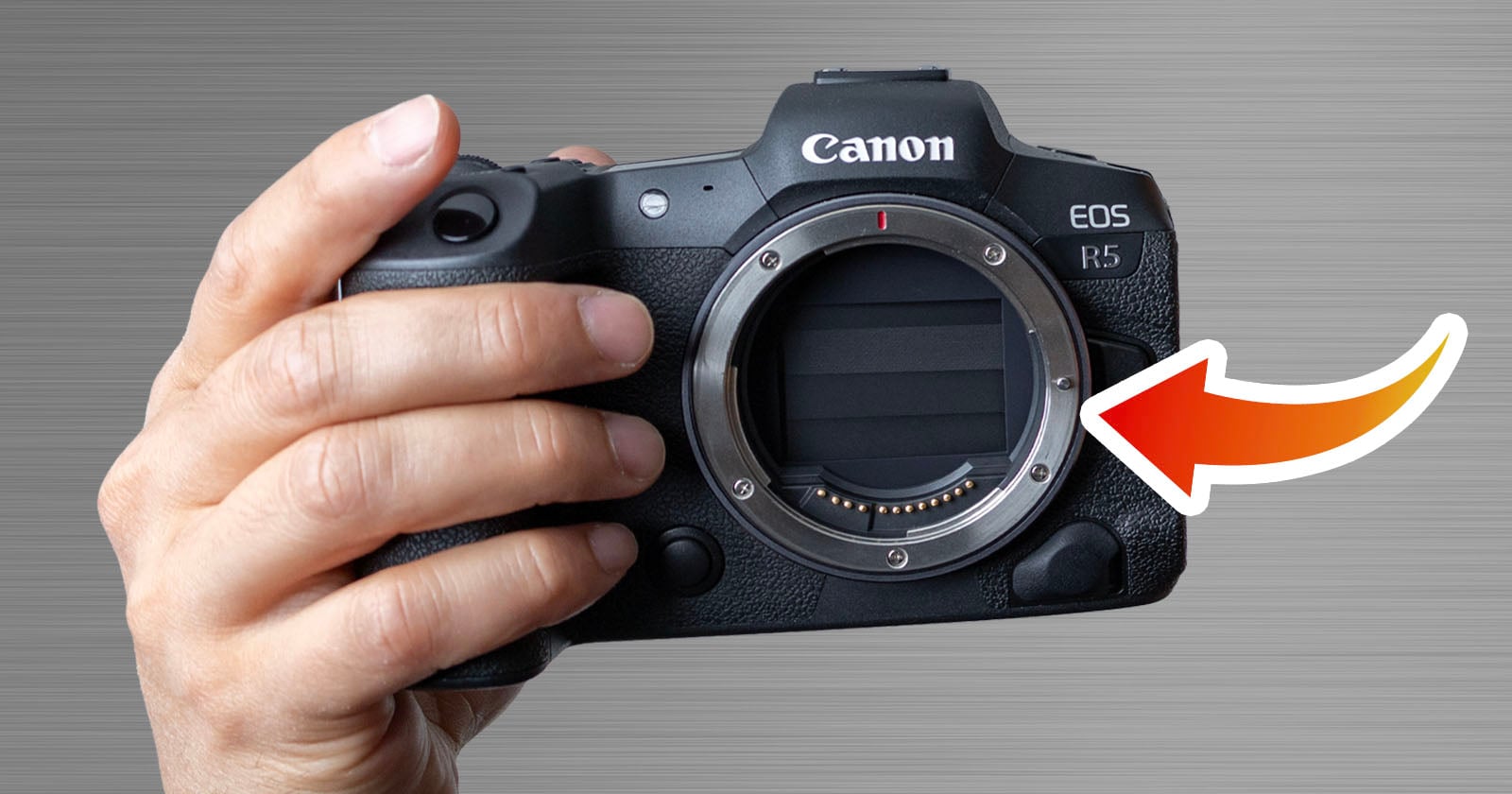
Essentially, the court argued that while the physical dimensions of the Z-mount differ from previous iterations, the underlying concept of a bayonet mount with electronic pins is a decades-old technology. The court’s perspective was that simply moving the pins or changing the width of the circle does not constitute a "new invention" worthy of exclusive legal protection. Because the entire basis of Nikon’s lawsuit rested on the validity of this patent, the ruling effectively stripped Nikon of its ability to stop Viltrox, or any other manufacturer, from producing autofocus-equipped lenses for the Z-mount within China.
Nikon has remained largely tight-lipped following the decision. "Out of respect for the judicial system, we will refrain from providing further details at this time," the company told PetaPixel. Viltrox, despite its significant victory, has also opted for a cautious public stance, likely to avoid further antagonizing the industry giants. In a statement, Viltrox expressed appreciation for the support of the photographic community but noted that they have no official updates or comments regarding potential future implications for other mounts.
The Question of Regional Jurisdiction
It is important to note that Nikon’s legal defeat is currently confined to China. Nikon still holds Z-mount patents in other major jurisdictions, including the United States, Japan, and Europe. Theoretically, Nikon could pursue Viltrox in these regions to block the distribution and sale of unlicensed lenses.