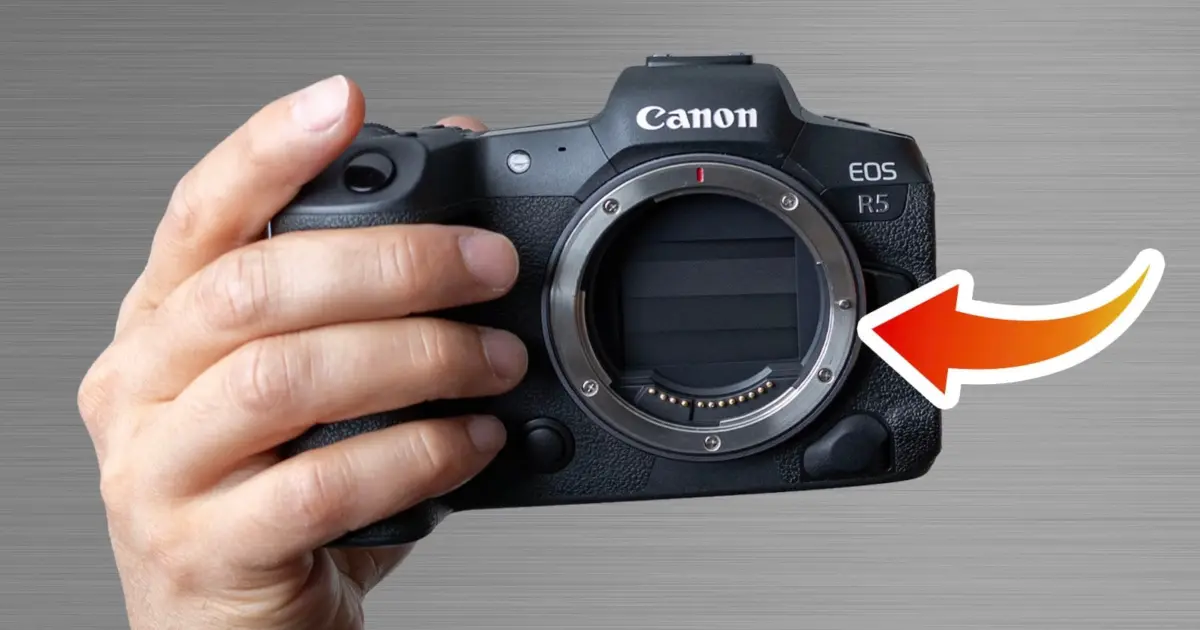
However, industry analysts suggest such a move is unlikely. A loss in a U.S. or European court would be catastrophic, potentially invalidating Nikon’s patents globally and permanently opening the mount to all competitors without the possibility of licensing fees. The Chinese legal system is often viewed through a political lens, and while some argue that domestic companies receive favorable treatment, the technical arguments used by the CNIPA—that mount iterations are "obvious" engineering—could be found persuasive by judges in other countries.
If Nikon were to sue in the U.S., Viltrox would undoubtedly use the same legal roadmap that proved successful in China. If a Western court agreed that a lens mount is a routine mechanical interface rather than a unique invention, Nikon’s control over its ecosystem would vanish overnight. Furthermore, blocking sales in the U.S. or Europe is increasingly difficult in a globalized economy. As seen with other restricted technologies, consumers often find ways to acquire "banned" products through third-party importers or grey-market channels. Given that China is the second-largest camera market globally and the manufacturing hub for these lenses, Nikon’s loss there is already a massive blow to its intellectual property strategy.
Canon’s Conundrum
Nikon’s legal setback puts Canon in an uncomfortable spotlight. While Nikon has historically been somewhat more open to third-party collaborations, Canon has been the "300-pound gorilla," using its legal weight to maintain a strictly closed RF-mount ecosystem.
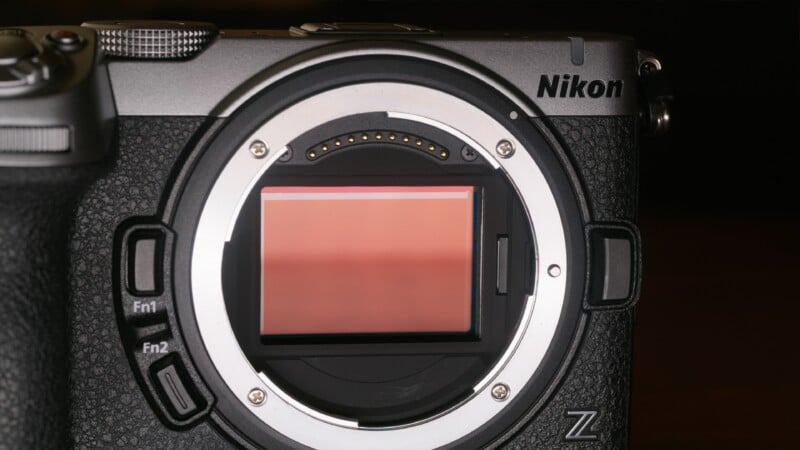
The tension between Canon and Viltrox dates back to 2022, when Viltrox abruptly stopped selling autofocus-equipped RF-mount lenses. At the time, Viltrox admitted it had been threatened with legal action by Canon. Shortly thereafter, Canon confirmed its aggressive stance, stating that it believed certain third-party products infringed on its patent and design rights and that it had requested those companies to cease all infringing activities.
In 2022, Viltrox was a smaller player with fewer resources. Today, the company has matured into a respected manufacturer with significant financial backing and legal experience. The victory against Nikon proves that domestic Chinese lens makers now have the means to proactively challenge and invalidate the patents of established Japanese giants. This shift in the power dynamic suggests that the "cease-and-desist" letters that once terrified third-party makers may no longer be effective.
If Viltrox were to resume production of RF-mount lenses today, Canon would be forced to decide whether to follow through on its threats. Unlike Nikon, which eventually went to court, Canon has largely relied on the threat of litigation. If that threat is called, Canon’s entire RF-mount legal defense could be at risk.
Shaky Foundations for the RF-Mount
When examining Canon’s specific patents filed with the CNIPA, the similarities to Nikon’s invalidated patents are striking. Canon’s legal protection for the RF-mount relies on the dimensions of its three-tab bayonet system and the physical interface of its 12 electronic contacts. It also holds utility patents covering the communication protocols—the "language" the camera and lens use to coordinate autofocus and image stabilization.