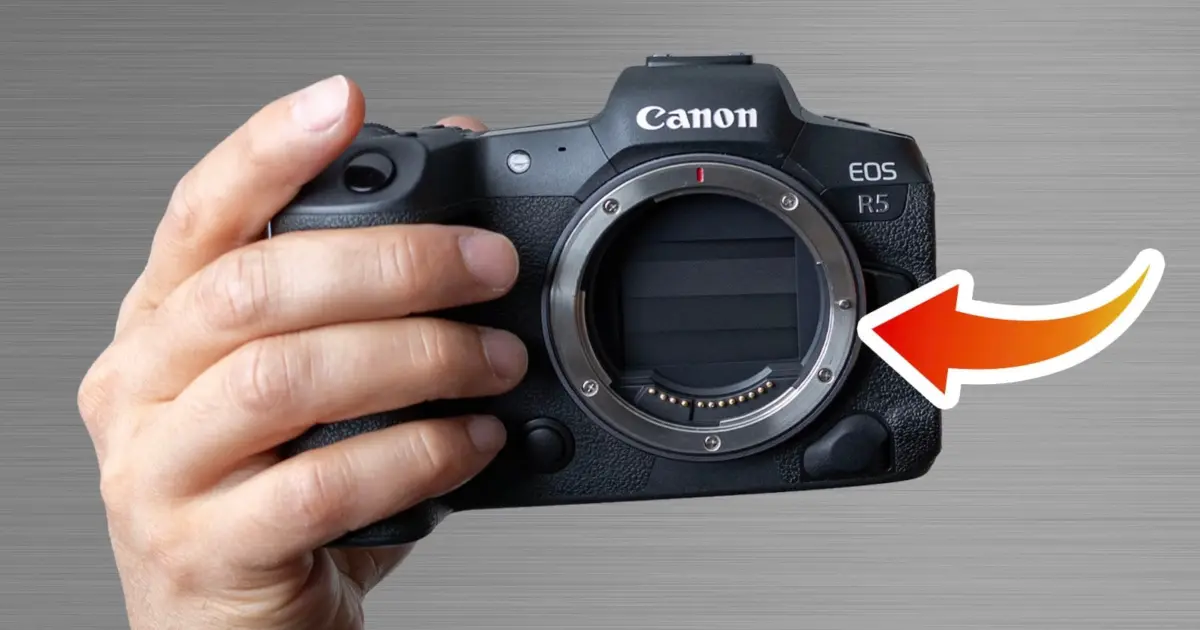
The problem for Canon is that the CNIPA has now established a clear administrative precedent: physical geometries and pin arrangements derived from prior technology (like Canon’s EF or EF-M mounts) are not necessarily novel. If Canon were to sue Viltrox in a Chinese court, it is highly probable that the court would apply the same "routine engineering" logic it used against Nikon.
This leaves Canon with a difficult choice. If they do nothing, their "closed" mount becomes open by default as third-party makers ignore their warnings. If they sue and lose, they lose the patent protection forever.
Strategic Responses and the Path Forward
Both Nikon and Canon have alternative methods to protect their ecosystems, though none are without drawbacks. One option is the implementation of firmware "handshakes." By encrypting the communication between the body and the lens, manufacturers could theoretically block any lens that does not have an official digital signature.
However, software blocks are notoriously unpopular with consumers. When third-party lenses have historically run into compatibility issues with new camera bodies—as seen during the launch of the Sony a7 V—the backlash against the camera manufacturer is often swift and severe, even if the "block" was unintentional. Furthermore, third-party manufacturers have proven incredibly adept at reverse-engineering these protocols. Viltrox, for instance, has a track record of releasing firmware updates to bypass camera software restrictions within days of their implementation.
The more likely outcome is that Canon will be forced to adopt a licensing model similar to Sony’s E-mount system. Sony allows third-party manufacturers like Sigma and Tamron to create lenses for its system, provided they adhere to certain rules and, in some cases, accept performance caps (such as limited burst rates).
While Canon, Nikon, Sony, Sigma, and Tamron are fierce competitors, they all sit on the board of the Camera & Imaging Products Association (CIPA). There is a shared interest among these Japanese companies in maintaining the dominance of the Japanese photography industry. If Chinese manufacturers continue to successfully challenge patents, the Japanese giants may choose to "open" their mounts to each other through licensing agreements to ensure that high-quality, "official" third-party options remain within their controlled circle, rather than losing the market entirely to unlicensed manufacturers.
Ultimately, the ruling in China has handed the initiative to third-party makers. For the first time in the mirrorless era, the manufacturers of "alternative" glass hold the legal high ground. Whether Canon chooses to fight an expensive, multi-front international war or simply opens the gates to a licensed ecosystem remains to be seen. What is clear, however, is that the era of the truly closed lens mount is rapidly coming to an end.