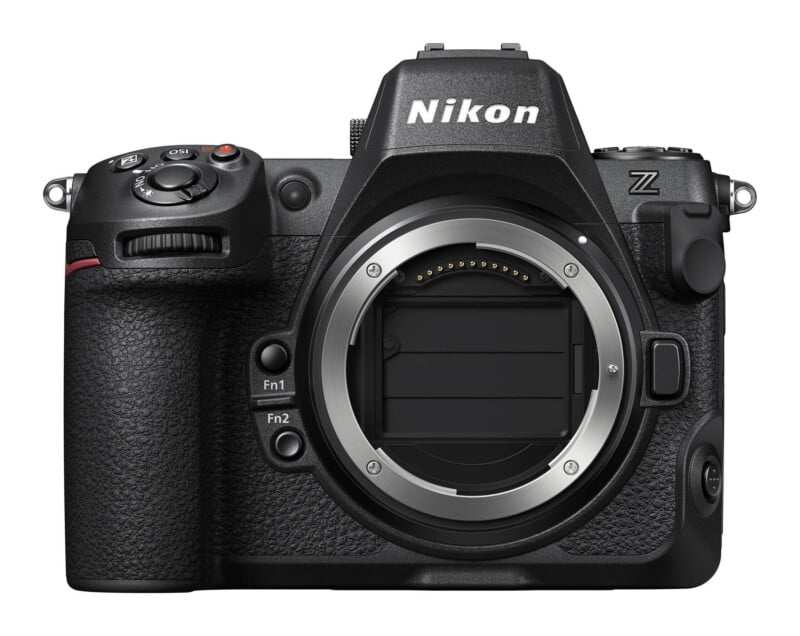
In a legal battle that has sent shockwaves through the imaging industry, a Chinese court has delivered a ruling that could fundamentally dismantle the "closed" nature of modern mirrorless camera mounts. The conflict began in January, when Nikon filed a high-profile lawsuit against the Chinese lens manufacturer Viltrox. Nikon alleged that Viltrox had violated its intellectual property regarding the Z-mount—the proprietary connection between Nikon’s mirrorless cameras and lenses—and sought both royalties and significant damages.
However, this past summer, the China National Intellectual Property Administration (CNIPA) disagreed with the Japanese imaging giant, ruling instead in favor of Viltrox. This decision does more than just protect one third-party manufacturer; it sets a major legal precedent that could directly impact the business model of Canon, which currently maintains the only truly closed mirrorless camera mount in the industry.
The central question now facing the industry is one of legal logic: if Nikon’s Z-mount patent is deemed invalid or unenforceable in the world’s second-largest camera market, what makes Canon’s RF-mount any more defensible? To understand the potential for a "domino effect" across the industry, one must first examine the specific reasons why Nikon lost its case against Viltrox.
The Anatomy of Nikon’s Loss
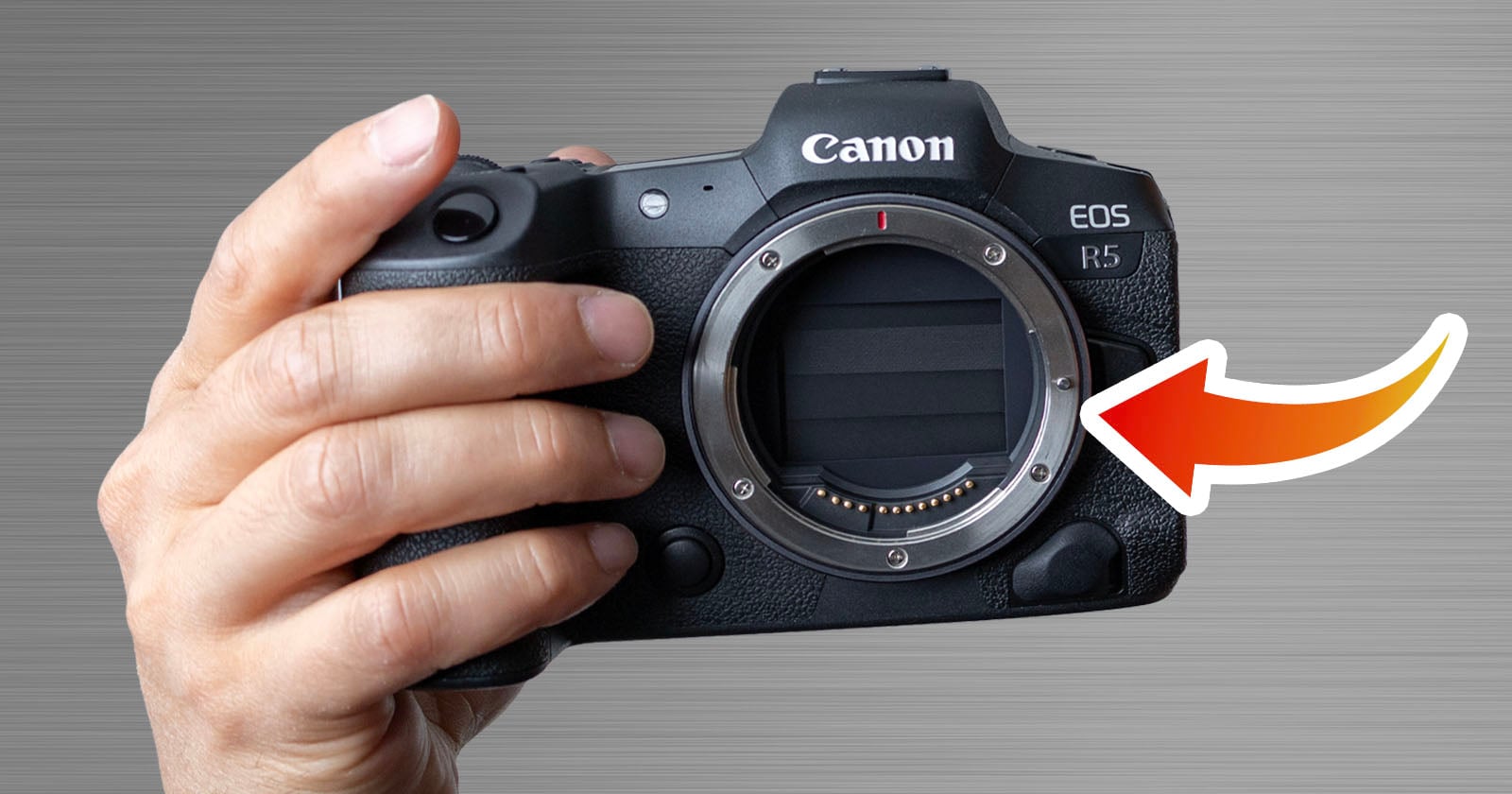
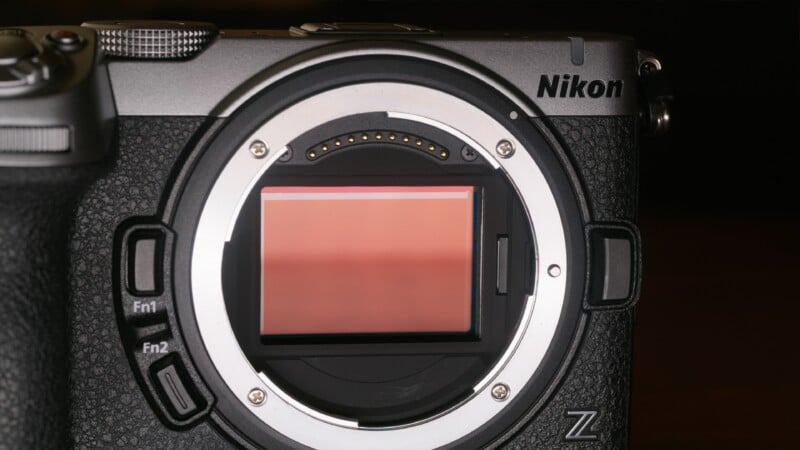
The CNIPA’s decision was not merely a dismissal of damages; it was a comprehensive invalidation of one of Nikon’s core Z-mount design patents. This specific patent covered the physical and electronic architecture of the mount, including the dimensions and placement of the bayonet tabs, the terminal pins, and the overall electronic layout that allows the camera body to communicate with the lens.
In its ruling, the CNIPA determined that Nikon’s patent lacked what is known in Chinese law as an "inventive step." This concept is the legal equivalent of the "non-obviousness" standard used in United States patent law. The court concluded that making minor adjustments to the length, angle, and arrangement of bayonet lugs or terminal pins over existing camera mounts—such as Nikon’s own legacy F-mount—was a routine engineering choice rather than a patentable breakthrough.
Essentially, the court argued that while the physical dimensions of the Z-mount differ from previous iterations, the underlying concept of a bayonet mount with electronic pins is a decades-old technology. The court’s perspective was that simply moving the pins or changing the width of the circle does not constitute a "new invention" worthy of exclusive legal protection. Because the entire basis of Nikon’s lawsuit rested on the validity of this patent, the ruling effectively stripped Nikon of its ability to stop Viltrox, or any other manufacturer, from producing autofocus-equipped lenses for the Z-mount within China.
Nikon has remained largely tight-lipped following the decision. "Out of respect for the judicial system, we will refrain from providing further details at this time," the company told PetaPixel. Viltrox, despite its significant victory, has also opted for a cautious public stance, likely to avoid further antagonizing the industry giants. In a statement, Viltrox expressed appreciation for the support of the photographic community but noted that they have no official updates or comments regarding potential future implications for other mounts.
The Question of Regional Jurisdiction
It is important to note that Nikon’s legal defeat is currently confined to China. Nikon still holds Z-mount patents in other major jurisdictions, including the United States, Japan, and Europe. Theoretically, Nikon could pursue Viltrox in these regions to block the distribution and sale of unlicensed lenses.
However, industry analysts suggest such a move is unlikely. A loss in a U.S. or European court would be catastrophic, potentially invalidating Nikon’s patents globally and permanently opening the mount to all competitors without the possibility of licensing fees. The Chinese legal system is often viewed through a political lens, and while some argue that domestic companies receive favorable treatment, the technical arguments used by the CNIPA—that mount iterations are "obvious" engineering—could be found persuasive by judges in other countries.
If Nikon were to sue in the U.S., Viltrox would undoubtedly use the same legal roadmap that proved successful in China. If a Western court agreed that a lens mount is a routine mechanical interface rather than a unique invention, Nikon’s control over its ecosystem would vanish overnight. Furthermore, blocking sales in the U.S. or Europe is increasingly difficult in a globalized economy. As seen with other restricted technologies, consumers often find ways to acquire "banned" products through third-party importers or grey-market channels. Given that China is the second-largest camera market globally and the manufacturing hub for these lenses, Nikon’s loss there is already a massive blow to its intellectual property strategy.
Canon’s Conundrum
Nikon’s legal setback puts Canon in an uncomfortable spotlight. While Nikon has historically been somewhat more open to third-party collaborations, Canon has been the "300-pound gorilla," using its legal weight to maintain a strictly closed RF-mount ecosystem.
The tension between Canon and Viltrox dates back to 2022, when Viltrox abruptly stopped selling autofocus-equipped RF-mount lenses. At the time, Viltrox admitted it had been threatened with legal action by Canon. Shortly thereafter, Canon confirmed its aggressive stance, stating that it believed certain third-party products infringed on its patent and design rights and that it had requested those companies to cease all infringing activities.
In 2022, Viltrox was a smaller player with fewer resources. Today, the company has matured into a respected manufacturer with significant financial backing and legal experience. The victory against Nikon proves that domestic Chinese lens makers now have the means to proactively challenge and invalidate the patents of established Japanese giants. This shift in the power dynamic suggests that the "cease-and-desist" letters that once terrified third-party makers may no longer be effective.
If Viltrox were to resume production of RF-mount lenses today, Canon would be forced to decide whether to follow through on its threats. Unlike Nikon, which eventually went to court, Canon has largely relied on the threat of litigation. If that threat is called, Canon’s entire RF-mount legal defense could be at risk.
Shaky Foundations for the RF-Mount
When examining Canon’s specific patents filed with the CNIPA, the similarities to Nikon’s invalidated patents are striking. Canon’s legal protection for the RF-mount relies on the dimensions of its three-tab bayonet system and the physical interface of its 12 electronic contacts. It also holds utility patents covering the communication protocols—the "language" the camera and lens use to coordinate autofocus and image stabilization.
The problem for Canon is that the CNIPA has now established a clear administrative precedent: physical geometries and pin arrangements derived from prior technology (like Canon’s EF or EF-M mounts) are not necessarily novel. If Canon were to sue Viltrox in a Chinese court, it is highly probable that the court would apply the same "routine engineering" logic it used against Nikon.
This leaves Canon with a difficult choice. If they do nothing, their "closed" mount becomes open by default as third-party makers ignore their warnings. If they sue and lose, they lose the patent protection forever.
Strategic Responses and the Path Forward
Both Nikon and Canon have alternative methods to protect their ecosystems, though none are without drawbacks. One option is the implementation of firmware "handshakes." By encrypting the communication between the body and the lens, manufacturers could theoretically block any lens that does not have an official digital signature.
However, software blocks are notoriously unpopular with consumers. When third-party lenses have historically run into compatibility issues with new camera bodies—as seen during the launch of the Sony a7 V—the backlash against the camera manufacturer is often swift and severe, even if the "block" was unintentional. Furthermore, third-party manufacturers have proven incredibly adept at reverse-engineering these protocols. Viltrox, for instance, has a track record of releasing firmware updates to bypass camera software restrictions within days of their implementation.
The more likely outcome is that Canon will be forced to adopt a licensing model similar to Sony’s E-mount system. Sony allows third-party manufacturers like Sigma and Tamron to create lenses for its system, provided they adhere to certain rules and, in some cases, accept performance caps (such as limited burst rates).
While Canon, Nikon, Sony, Sigma, and Tamron are fierce competitors, they all sit on the board of the Camera & Imaging Products Association (CIPA). There is a shared interest among these Japanese companies in maintaining the dominance of the Japanese photography industry. If Chinese manufacturers continue to successfully challenge patents, the Japanese giants may choose to "open" their mounts to each other through licensing agreements to ensure that high-quality, "official" third-party options remain within their controlled circle, rather than losing the market entirely to unlicensed manufacturers.
Ultimately, the ruling in China has handed the initiative to third-party makers. For the first time in the mirrorless era, the manufacturers of "alternative" glass hold the legal high ground. Whether Canon chooses to fight an expensive, multi-front international war or simply opens the gates to a licensed ecosystem remains to be seen. What is clear, however, is that the era of the truly closed lens mount is rapidly coming to an end.