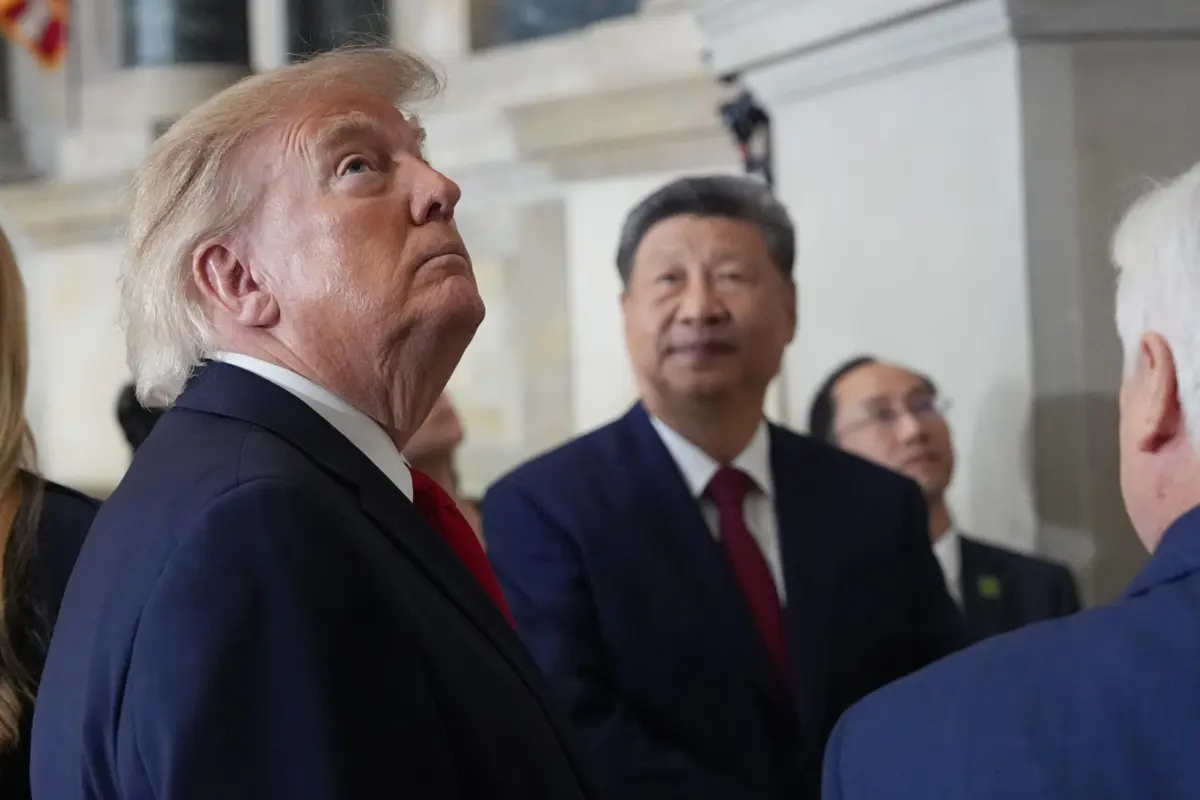
In a significant move toward stabilizing one of the world’s most complex bilateral relationships, the United States and China have reached an agreement to establish a dedicated communication channel for handling incidents related to artificial intelligence and to accelerate the development of military crisis management protocols. The announcements came Saturday through a series of coordinated statements from both Washington and Beijing, marking the conclusion of a high-stakes, three-day summit held between the nations’ top leaders in the American capital.
The summit, which brought together the heads of the world’s two largest economies, focused heavily on the creation of "guardrails" designed to prevent competition from devolving into open conflict. Chief among these developments is the decision to set up a formal mechanism for addressing artificial intelligence. As AI technology becomes increasingly integrated into both civilian infrastructure and military hardware, both sides acknowledged the urgent need to discuss the inherent risks and potential benefits of the technology. To this end, a specialized AI-focused dialogue has been scheduled for November, providing a platform for technical and policy experts to navigate the ethical and security-related challenges posed by rapid advancements in the field.
Parallel to the discussions on emerging technology, the two powers moved to address long-standing concerns regarding military-to-military communication. According to a readout from China’s Foreign Ministry, the two sides have agreed to sign a memorandum of understanding aimed at strengthening crisis communications and preventing unintended escalations between their respective armed forces. While the Chinese statement remained relatively brief, it emphasized the importance of institutionalizing these links to ensure that tactical misunderstandings do not lead to strategic catastrophes. This push for improved military transparency follows a period of heightened tension and represents a concerted effort to restore the lines of communication that are often the first to be severed during diplomatic disputes.
On the economic front, the summit yielded tangible progress regarding the ongoing trade relationship, which has been defined by friction for several years. Both nations confirmed that the newly established Board of Trade, tasked with overseeing selected bilateral trade issues, officially went into operation this week. The White House noted that this body will serve as a primary venue for resolving disputes and managing the technicalities of the trade relationship. The summit also resulted in an agreement to extend the current trade truce by an additional two months, providing a window of stability for businesses and markets that have been rattled by the threat of renewed hostilities.
Central to the trade discussions was a commitment to continue working toward the reduction of reciprocal tariffs on approximately $30 billion worth of goods. This reduction is strategically aimed at non-sensitive sectors, specifically focusing on agricultural products and consumer goods such as holiday decorations. By targeting these areas, the two governments appear to be seeking "low-hanging fruit" that can provide immediate economic relief to domestic producers and consumers without compromising national security or sensitive industrial sectors. Furthermore, the White House revealed a specific commitment from Beijing to import at least 10 million metric tons of American coal in 2027 and 2028, a move that suggests a long-term outlook for energy trade between the two countries.