EPWORTH, Zimbabwe — For 18-year-old Kelly Nhedega, the trajectory of her life was once clearly defined. Like many young women in Zimbabwe, she had a vision for her future that involved completing her secondary education, enrolling in a nursing program, and securing a professional career before even considering the responsibilities of motherhood. It was a roadmap designed to lift her out of the economic uncertainty that many in her community face.
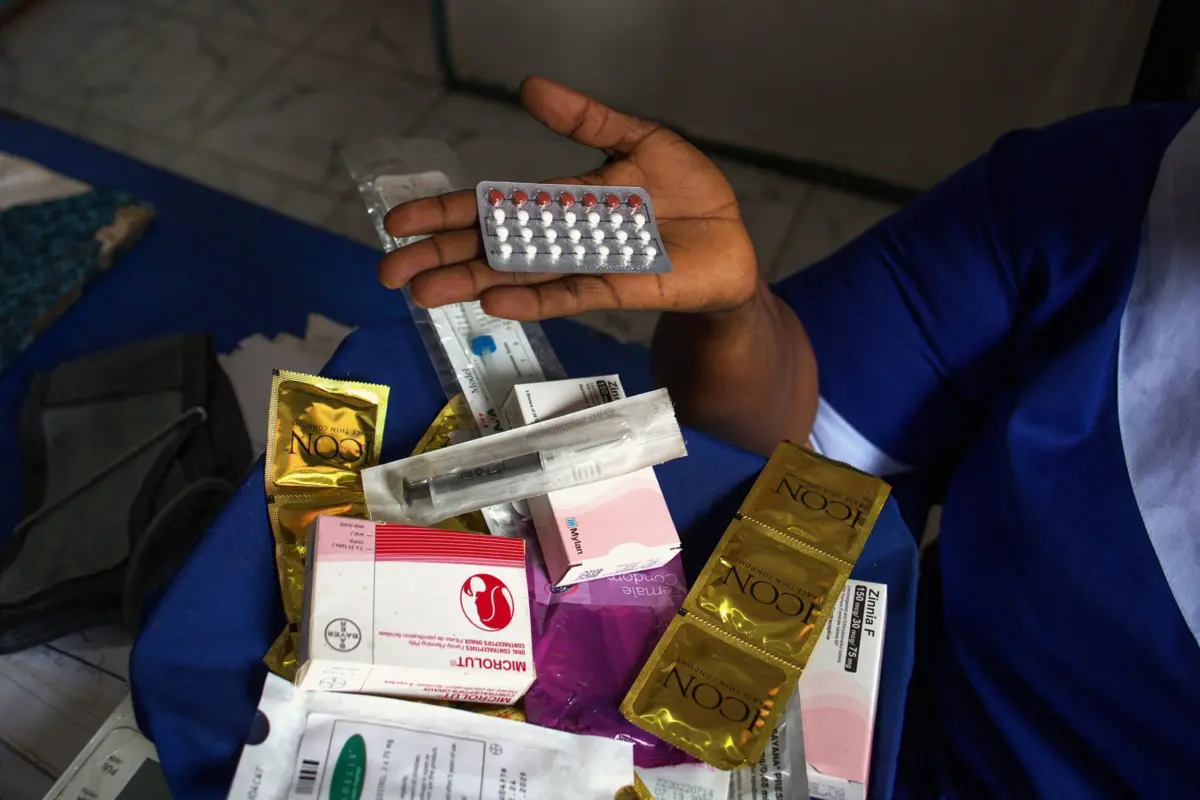
However, that map was redrawn two years ago. When Nhedega became sexually active at 16, she found herself trapped between the biological realities of adolescence and a rigid wall of social and systemic barriers. While contraception existed in theory, it felt entirely out of reach in practice. The prospect of standing in a crowded public clinic to ask for condoms, birth control pills, or a hormonal implant was more than just an errand; it was a gauntlet of potential humiliation. In a society where the actions of young girls are closely monitored by neighbors, relatives, and health workers, the fear of judgment—or worse, having her parents informed of her choices—was enough to keep her away.
The result was a predictable but life-altering consequence: Nhedega became pregnant at 16 and was forced to drop out of school. Today, she is the primary caregiver for an 18-month-old child, her dreams of nursing temporarily shelved while she navigates the daily demands of motherhood. Recently, however, she managed to obtain contraception through a discreet mobile service, a move she hopes will allow her to finally return to the classroom and finish what she started.
“That’s a mission I have to complete first,” Nhedega said, her toddler fidgeting on her lap as she spoke. “More babies will mean less or no time for school.”
Nhedega’s experience is a microcosm of a much larger, more complex crisis unfolding across sub-Saharan Africa. As international aid budgets are slashed and global shipping routes are disrupted by conflict, the basic human right to reproductive healthcare is becoming increasingly precarious for millions of girls. Experts warn that the challenge is not merely a matter of whether contraceptives are being manufactured or stocked; it is a multifaceted problem involving parental opposition, restrictive national policies, deep-seated cultural stigma, and the sheer fear of being seen at a medical facility. Even as local governments attempt to fill the void left by shrinking foreign aid, the "last mile" of delivery—getting the products to the people who need them most—is under threat.
The stakes could not be higher. Contraception is recognized by global health organizations as a critical tool for helping adolescent girls avoid unintended pregnancies and the significant physical risks associated with childbirth. In sub-Saharan Africa, where maternal mortality rates remain the highest in the world, the inability to plan a family is often a matter of life and death.
This crisis is part of a broader, harrowing trend in maternal mortality across the region. Sub-Saharan Africa currently has the world’s fastest-growing population, yet it accounts for a staggering 70% of global maternal deaths. Every year, approximately 180,000 pregnancy-related deaths are recorded across the continent, many of which are preventable through adequate reproductive health services and family planning.
The financial infrastructure supporting these services is currently in a state of upheaval. The United Nations Population Fund (UNFPA) estimates that global aid cuts will result in a $185 million shortfall in contraceptive funding this year alone. The impact is already visible on the ground. According to the International Planned Parenthood Federation, nearly 1,400 reproductive health service facilities had been forced to close their doors by December, with 1,175 of those closures occurring in Africa. These closures have left an estimated 5.9 million women without access to essential services.
For girls like Nhedega, the loss of these facilities is devastating. They often rely on small, non-traditional clinics where they can seek help without the fear of being scrutinized by their communities. In Epworth, a densely populated settlement on the outskirts of Harare, Nhedega found her solution in an aging blue-and-white caravan tucked into a quiet corner of a hospital grounds.
The caravan is a converted family travel trailer that has been repurposed as a mobile clinic. It provides a sanctuary of privacy, allowing adolescents to access contraception, counseling, and health information away from the prying eyes of neighbors, church members, or judgmental relatives.