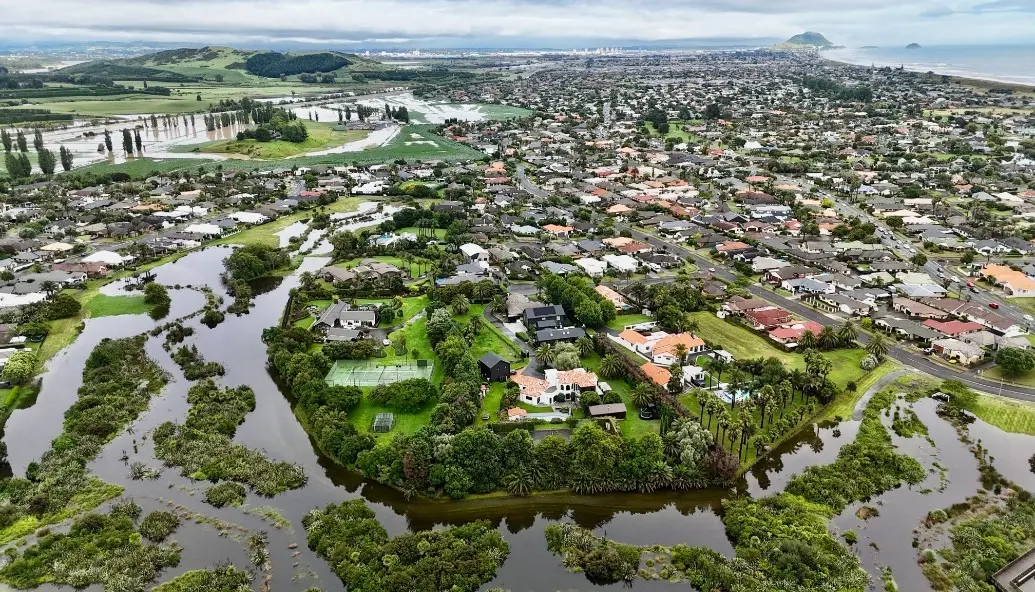
A comprehensive and sobering new report released by the New Zealand government has cast a stark light on the intensifying climate crisis facing the archipelago, warning of a future defined by more frequent heatwaves and the potential for catastrophic glacier loss. The findings, which aggregate the latest environmental data and atmospheric monitoring, suggest that the window for mitigating the most severe impacts of a warming planet is narrowing, as the nation grapples with record-breaking greenhouse gas concentrations and an ocean that is warming significantly faster than the global average.
At the heart of the report is a troubling update on the state of the atmosphere. According to the data, concentrations of carbon dioxide (CO2), methane, and nitrous oxide all reached their highest recorded levels in New Zealand in 2025. These three gases are the primary drivers of the greenhouse effect, trapping heat within the Earth’s atmosphere and altering long-term weather patterns. The spike in methane and nitrous oxide is particularly significant for New Zealand, given the country’s unique economic profile and its reliance on the primary sector. While carbon dioxide remains the most prevalent long-term driver of global warming, methane is a far more potent heat-trapping gas in the short term, and nitrous oxide, often associated with agricultural practices and soil management, further compounds the atmospheric burden. The fact that all three reached record highs simultaneously in 2025 serves as a clear indicator that the atmospheric chemistry surrounding the islands is shifting into uncharted territory.
The tangible results of these rising concentrations are already being felt across the country’s temperature records. The report highlights a sustained and rapid warming trend, noting that New Zealand has warmed by approximately 1.36°C since 1909. While a rise of just over one degree may seem modest in a vacuum, the acceleration of this trend in recent years is what most alarms climate scientists and policymakers. According to the government’s findings, seven of the ten warmest years ever recorded in New Zealand have occurred since 2016. This clustering of extreme heat years suggests that the "new normal" is not a steady state, but a trajectory of continued warming that shows no signs of plateauing.
This atmospheric warming is inextricably linked to the health of New Zealand’s iconic cryosphere. The report warns that the country is at risk of more frequent and intense heatwaves, which could lead to catastrophic glacier melts in the near future. The Southern Alps, which define the landscape of the South Island, have long been home to thousands of glaciers that act as natural water towers, regulating river flows and supporting a robust tourism industry. However, as summer temperatures soar and heatwaves become more persistent, these glaciers are losing mass at an unsustainable rate. The loss of these ice bodies would not only represent a profound change to the nation’s natural heritage but would also have cascading effects on hydroelectric power generation, regional water security, and the delicate ecosystems that rely on cold-water runoff.