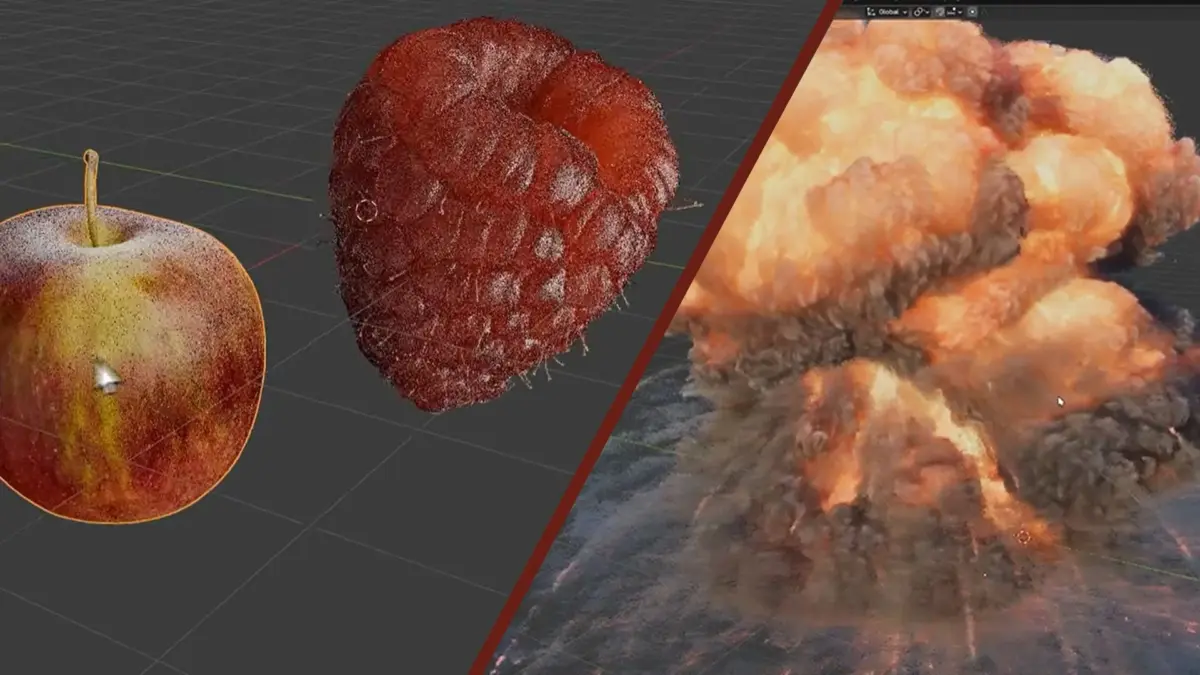
Blender 5.3 changes this dynamic by providing native import capabilities. This means that the software can now handle the complex data structures of splat files natively, ensuring better memory management and a more streamlined user experience. Furthermore, the update allows these splats to be rendered across Blender’s entire suite of engines, including the real-time Workbench, the high-performance EEVEE, and the production-grade path tracer, Cycles. This versatility ensures that artists can use splats for everything from quick layout previews to final, cinematic-quality renders.
Early demonstrations of this technology in action have already begun to circulate. Visual effects artists and prominent community figures, such as CGMatter and Jason Key, have showcased the potential of the 5.3 alpha, highlighting the ease with which real-world captures can now be integrated into complex 3D scenes. These examples demonstrate not only the visual fidelity of the splats but also how they can exist alongside traditional 3D assets, allowing for a hybrid approach to scene building.
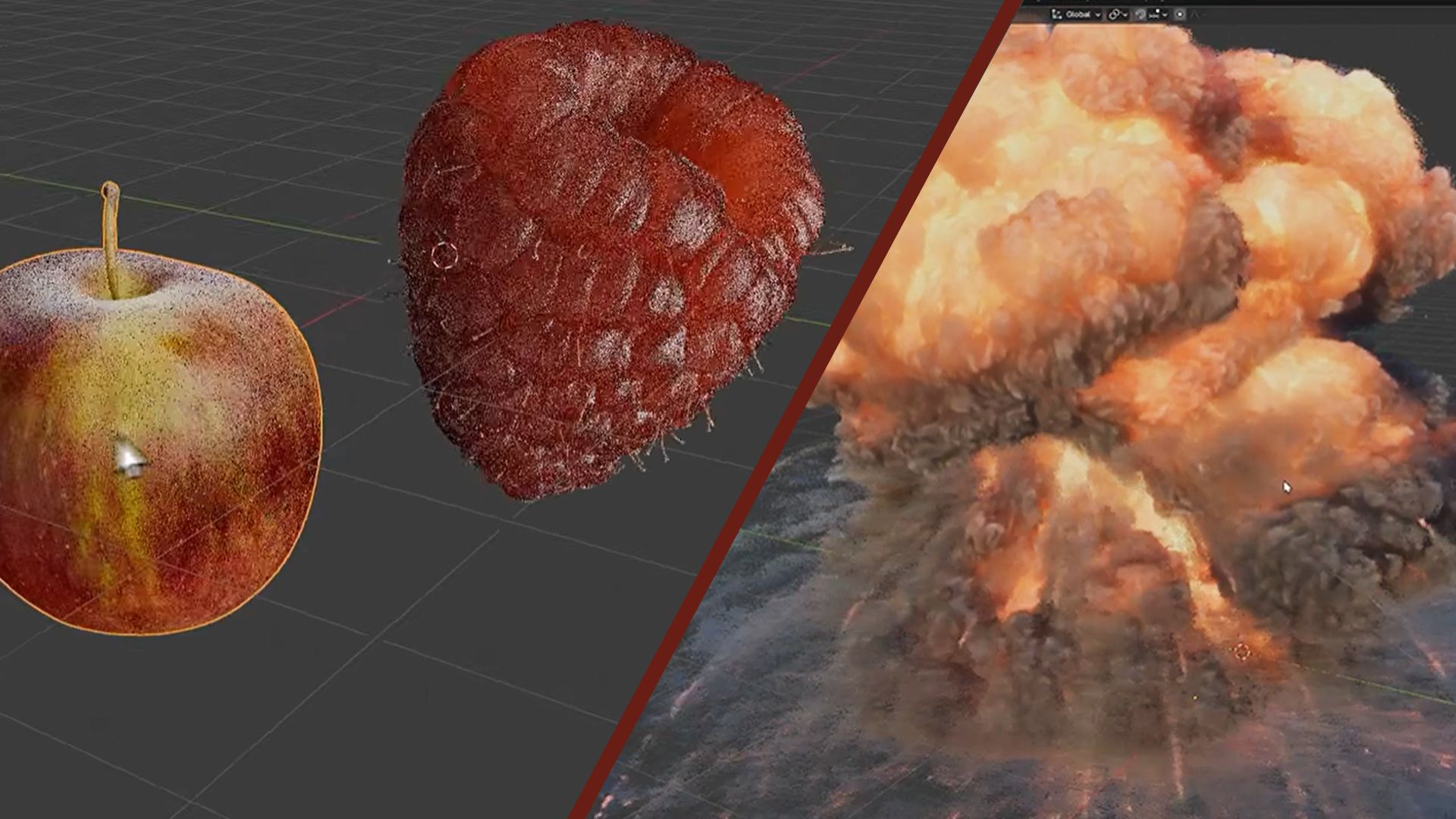
However, as with any major technological leap, the current implementation in the alpha stage comes with a set of documented limitations. The Blender Foundation’s release notes for version 5.3 are transparent about the hurdles that remain. Currently, performance is not yet fully optimized, and users with lower-end hardware may find the handling of massive splat files to be taxing on their systems. This has led to renewed interest in high-performance hardware, as the processing of millions of Gaussians requires significant GPU resources.
A more technical challenge lies in the color space and radiance handling. The current pipeline assumes an sRGB color space, which can lead to discrepancies when rendering. Because Cycles and EEVEE operate within a linear color space to maintain physical accuracy in lighting, areas of low opacity or high radiance in a Gaussian splat can sometimes render incorrectly. This mismatch can result in "popping" artifacts or unnatural brightness in certain lighting conditions.
Additionally, the "Apply Transform" function—a staple of the Blender workflow used to bake a model’s scale and rotation—does not yet function correctly with Gaussian splats. This is due to the unique attributes of the splats, which include spherical harmonics and specific scaling data that the standard transform tools are not yet equipped to handle. These are the types of "growing pains" expected in an alpha release, and the development team is likely working to refine these systems before the stable version arrives in late autumn.