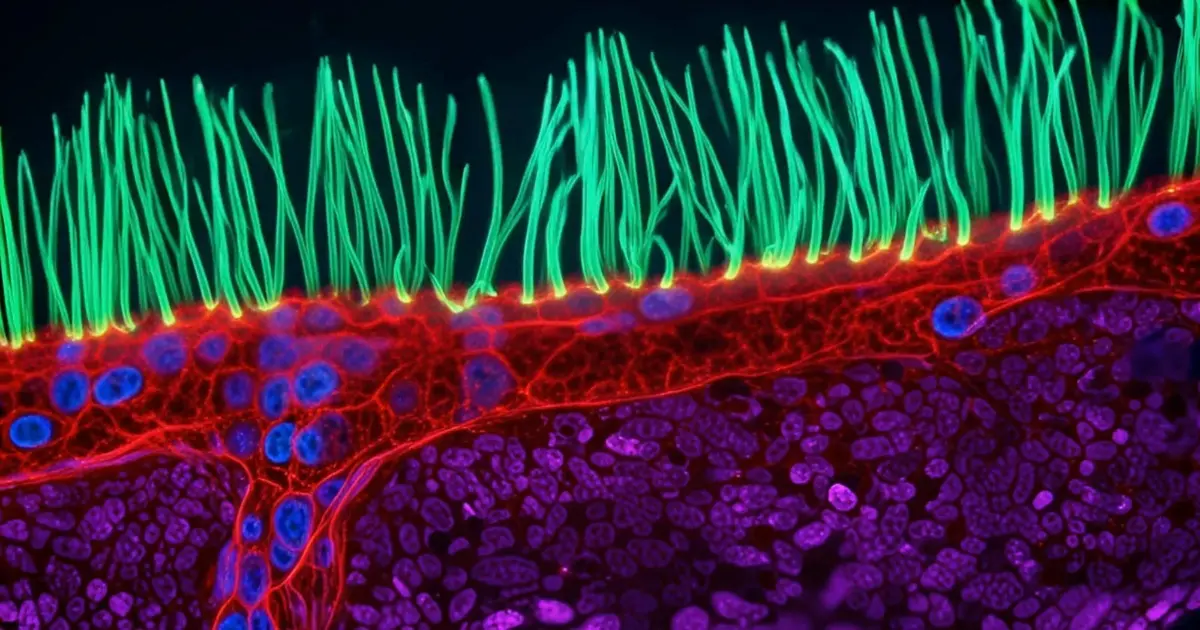
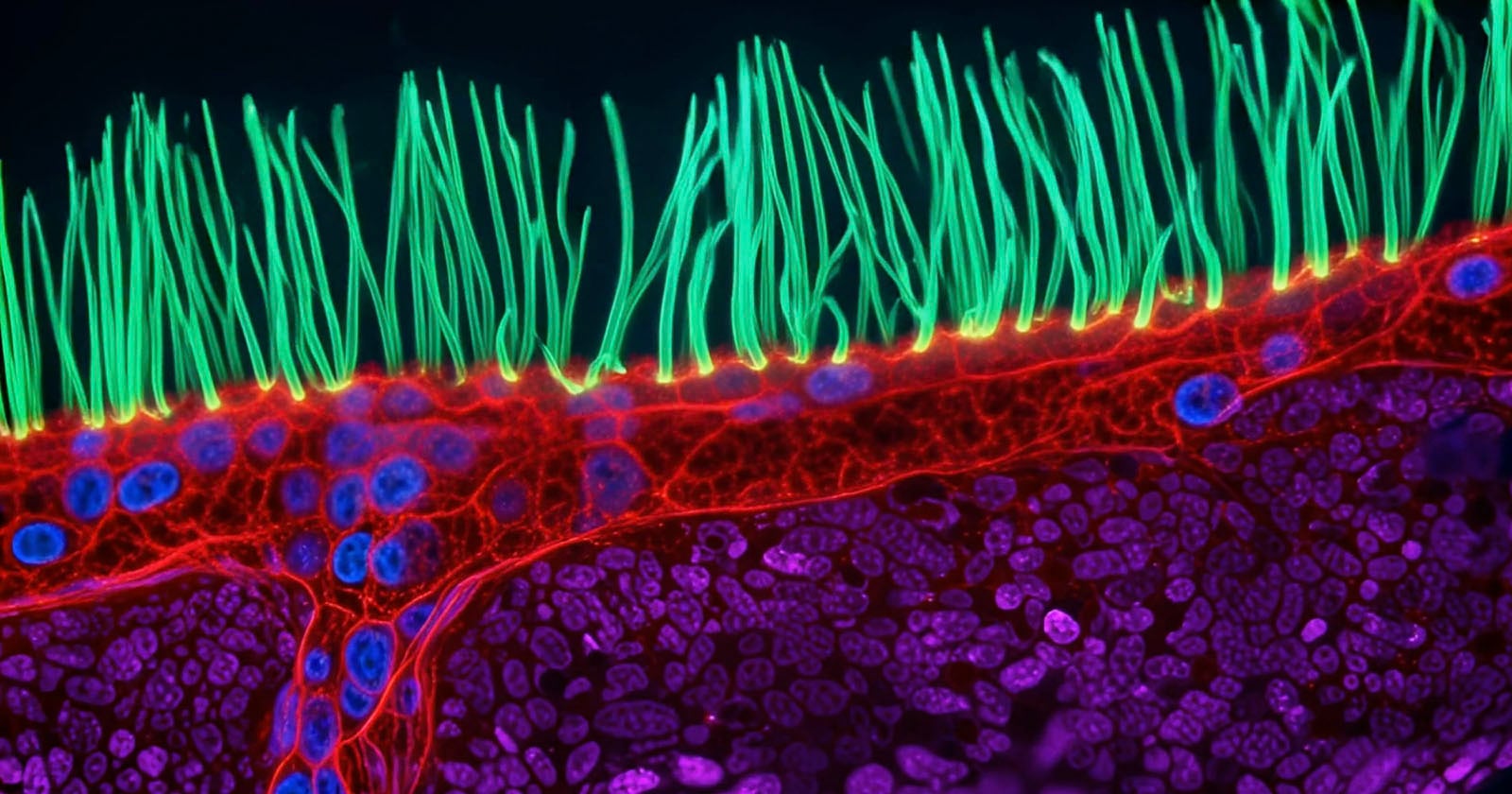
The skepticism intensified when Ian Donovan, an MD/PhD student at the UT Southwestern Medical Center, conducted his own technical analysis of the footage. Donovan reported that he ran the winning video through Google Gemini, a sophisticated AI tool, which reportedly identified an invisible Google SynthID watermark embedded within the file. SynthID is a technology developed to label and identify AI-generated content by embedding a digital watermark directly into the pixels of an image or video. The presence of such a watermark strongly suggests that at least portions of the video were processed or generated by an AI model, a direct violation of the competition’s longstanding rules.
Nikon Small World has traditionally maintained a strict boundary regarding the use of digital tools. While post-processing to enhance clarity, adjust contrast, or balance color is standard practice in scientific imaging, the rules explicitly state that "AI-generated videos are not permitted." The integrity of the competition relies on the premise that the visuals are a direct, albeit enhanced, representation of physical reality captured through a microscope lens.
In response to the mounting pressure and the technical evidence presented by researchers, Nikon Small World has officially reopened the vetting process for Dr. Xu’s entry. The organization updated its public announcements with a note acknowledging the questions raised and stating that they are "carefully re-reviewing the information provided during the initial vetting, along with additional supporting materials from the entrant." Nikon also clarified that Dr. Xu has been "respectfully complying" with the investigation, providing the committee with detailed technical documentation that outlines the specific microscopy equipment, imaging methods, and processing techniques he claims were used to create the source video.
Dr. Xu initially attempted to defend his work in the comments section of the LinkedIn post where the controversy first erupted. According to a report by the journal Nature, Dr. Xu admitted to using an AI model during the post-production phase of the video. However, he maintained that he did not break the competition’s rules. He argued that the AI was applied only after the reconstruction of the grayscale data, serving as a tool to "distinguish and color structures with similar morphology." In scientific imaging, "morphology" refers to the study of the size, shape, and structure of animals, plants, and microorganisms. Dr. Xu’s defense centered on the idea that the AI was used as an advanced form of "pseudocoloring"—a common practice where colors are added to grayscale images to help viewers differentiate between different types of tissue or cellular components.
Despite this explanation, the scientific community remains unconvinced. The distinction between using AI for colorization and using it to generate or "hallucinate" structural details is a fine line that many believe Dr. Xu crossed. If an AI model is used to "distinguish" structures, there is a risk that the software is creating edges and shapes that were not present in the original raw data, effectively inventing biological information.