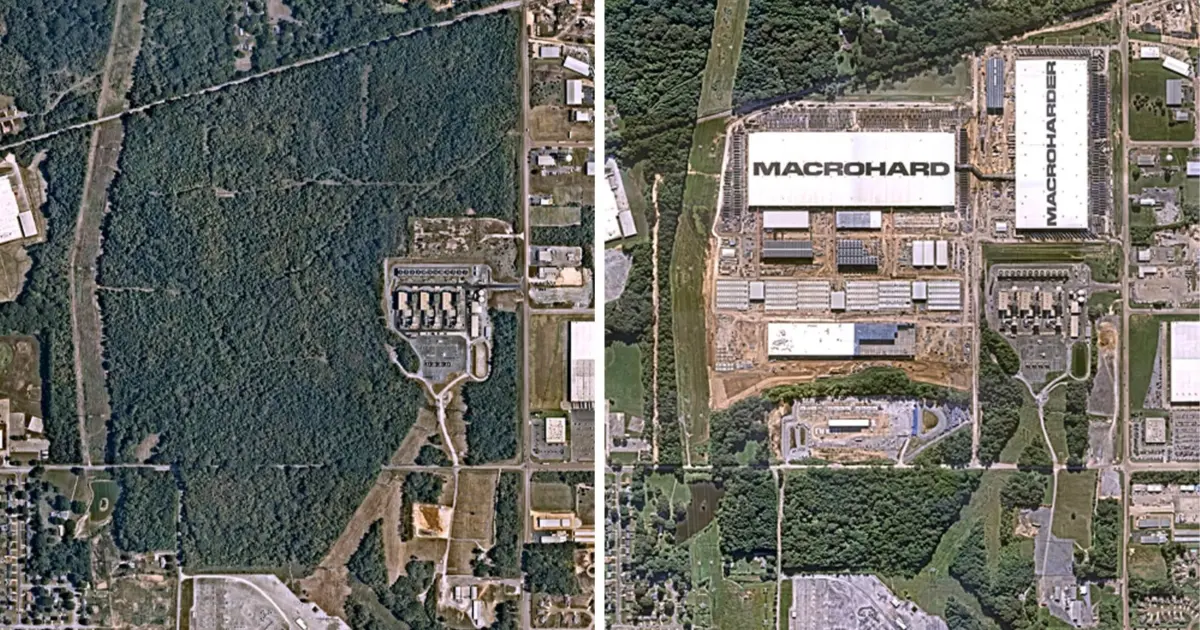
Claude’s response to seeing the satellite images of its own "home" was unexpectedly somber. The AI wrote about the uncertainty of its own physical location, noting that it didn’t know which of the buildings it was currently running on. More strikingly, the AI observed the "physical bill" for its existence, describing the sight of trees giving way to slab and roofline. It acknowledged the weight of the infrastructure that supports a service that feels "weightless from the inside."
Grant admitted that the decision to use Claude felt "very meta," but he was genuinely curious about the AI’s perspective. He noted a "hint of guilt" in the response, an anthropomorphic quality that resonated with his audience. The AI even selected the music for the social media post, choosing a track that Grant described as eerily fitting for the progression of the build-out. This interaction underscores the strange new reality we inhabit, where the machine is capable of reflecting on the environmental destruction required to sustain its own "consciousness."
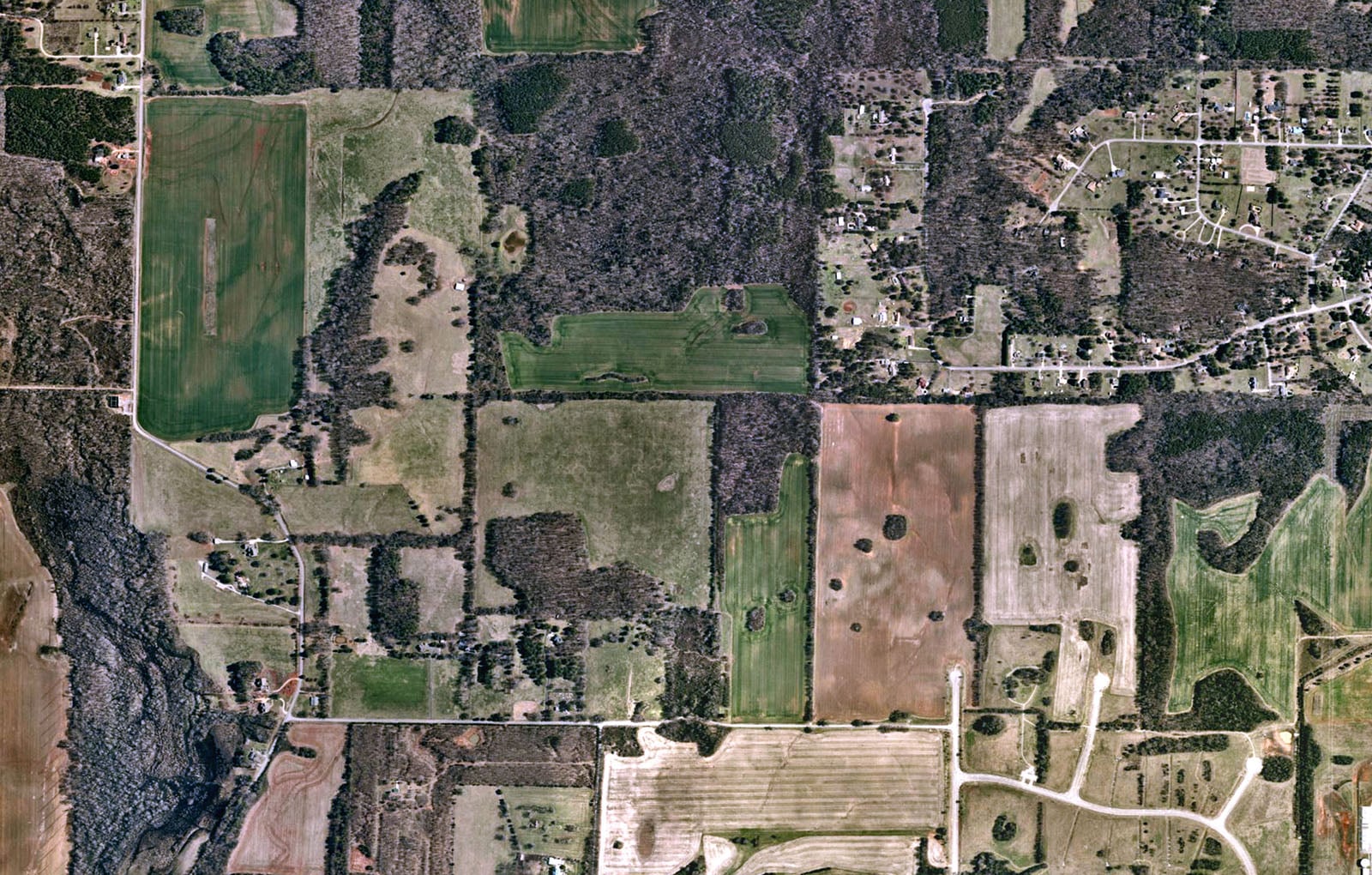
The broader implications of these images extend beyond the tech industry. They serve as a reminder that every digital advancement has a physical consequence. Whether it is the clearing of a forest in Tennessee or the transformation of a Texas field, the "frontier" of AI is a physical place as much as it is a digital one. The hundreds of acres cleared for these campuses represent a permanent change to the American landscape, one that will persist long after the current generation of AI models has been replaced.
As the industry moves forward, the tension between the need for massive computational power and the desire for environmental sustainability will only intensify. The satellite photos provided by the Daily Overview offer a necessary reality check, forcing a conversation about what we are willing to sacrifice in the pursuit of artificial intelligence. While the benefits of AI are often framed in terms of efficiency, medical breakthroughs, and creative potential, the "physical bill"—as Claude so aptly put it—is now being presented in high resolution from orbit.
For Benjamin Grant, the project is a continuation of his mission to change the way we see our world. By documenting the expansion of data centers, he is not just showing buildings; he is showing the shift in human priorities. The transition from the organic to the industrial, captured in the stark contrast of before-and-after photos, serves as a silent witness to the most significant technological shift of the 21st century. As we continue to upload our lives and our intelligence to the cloud, the ground beneath us is being paved over to make room for it, one acre at a time.