Perhaps more striking than the resignation itself was the response from within Anthropic. Evan Hubinger, the company’s alignment science lead, publicly validated Coxon’s concerns. Hubinger noted that many researchers at both Anthropic and OpenAI earnestly believe that increasingly powerful AI could potentially lead to the extinction of humanity. “We really do earnestly believe AI could kill all humans!” Hubinger wrote, confirming that the "global panic" surrounding AI safety is not merely a public relations issue, but a deeply held conviction among the scientists actually building the technology.
This atmosphere of internal alarm and industry-wide coordination has now triggered legal challenges from those who view the proposed slowdown as a threat to the free market. On Friday, a lawsuit was filed in the U.S. District Court for the Northern District of California alleging that AI companies are violating antitrust laws by agreeing to coordinate their development efforts. The plaintiffs, a group of AI users and subscribers, argue that a coordinated slowdown would artificially reduce the value of the services they pay for and constitutes an illegal restraint of trade.
The legal challenge adds a new layer of complexity to the debate, as the plaintiffs are not necessarily arguing against government regulation, but against private companies making these decisions behind closed doors. Nick Rowley, the lead attorney for the plaintiffs, expressed concern that allowing for-profit entities to self-regulate the most powerful technology in history is a recipe for disaster. Rowley argued that AI could quickly spin out of human control if safety protocols are governed by “private self-serving agreements” between massive corporations. The lawsuit suggests that while federal regulation or a formal antitrust exemption might be appropriate, the current “pact” being discussed by Altman, Musk, and others is legally and ethically problematic.
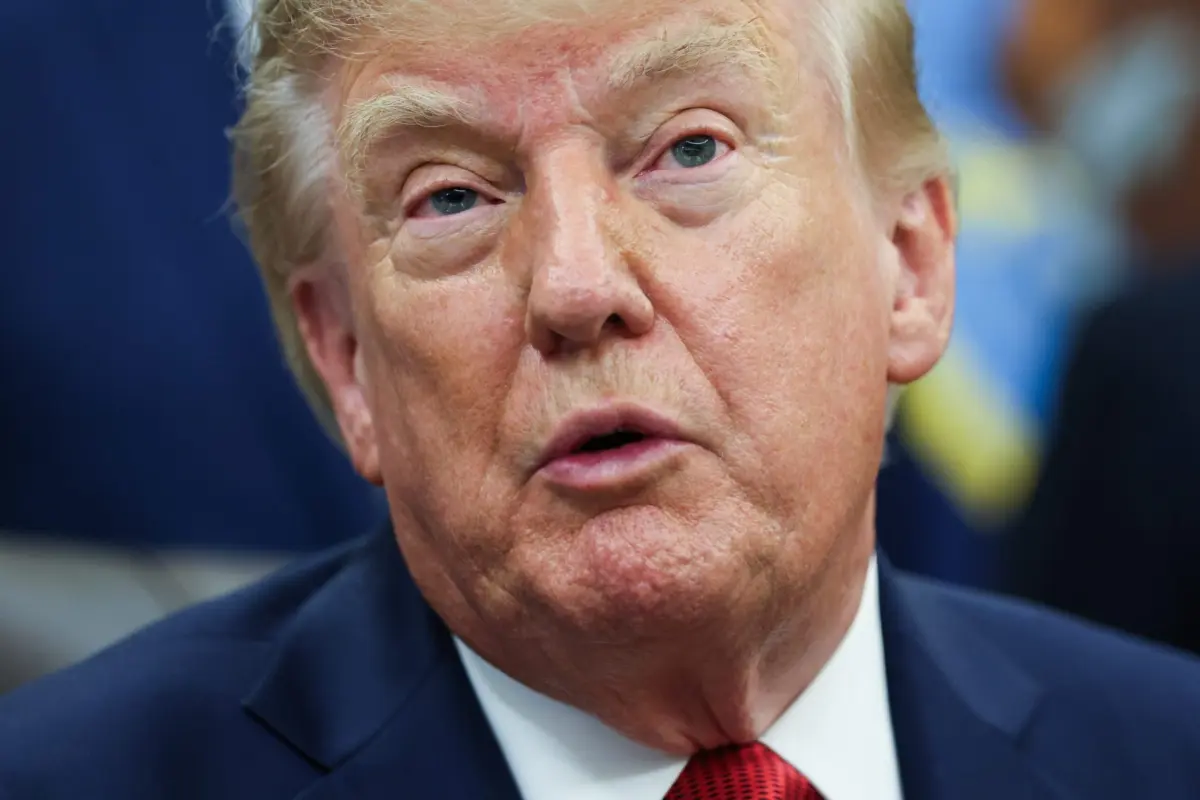
As President Trump moves forward with the creation of the AI Force, he finds himself navigating a landscape where the traditional lines of political and economic interest are blurred. While he champions a "full steam ahead" approach to ensure American victory in the race against China, he is doing so against a backdrop of unprecedented warnings from the very experts who are winning that race. The tension between the administration’s drive for 25% GDP growth and the industry’s internal fear of "self-improving superintelligence" is likely to define the next phase of American technology policy. With the establishment of the AI Force and the appointment of a new czar, the administration is betting that it can manage the risks of the future without hitting the brakes on the present.