In the complex ecosystem of a living cell, balance is the fundamental requirement for survival. Scientists have long understood that the precise regulation of genetic material and energy production is essential for health. However, a groundbreaking study led by researchers at the Texas A&M College of Veterinary Medicine and Biomedical Sciences (VMBS) has uncovered a surprising and previously unknown threat to this internal equilibrium. According to the research, when a cell accumulates an excessive amount of RNA—the molecular messenger of life—it can inadvertently "short-circuit" the mitochondria, the very structures responsible for powering the cell’s vital functions.
The study, recently published in the Proceedings of the National Academy of Sciences (PNAS), sheds new light on the hidden costs of viral infections and the critical importance of the cell’s "waste management" systems. While RNA is indispensable for translating genetic instructions into the proteins that build and maintain life, the researchers found that an overabundance of this material can become a toxic burden, leaving cells struggling to generate the energy they need to survive. This discovery has profound implications that reach far beyond virology, offering potential new insights into the mechanisms of aging, the progression of neurodegenerative diseases, and the continued optimization of RNA-based medical treatments, such as mRNA vaccines.
"Scientists have long known that RNA degradation helps control protein production and remove defective RNA," said Dr. Zhilong Yang, a professor in the VMBS Department of Veterinary Pathobiology and the study’s lead investigator. "Our study reveals another important role: it helps cells maintain the energy they need to function properly."
The Vital Balance of RNA Production and Cleanup
To understand why an excess of RNA is problematic, it is first necessary to look at the standard operating procedures of a healthy cell. Cells are in a constant state of flux, producing and breaking down RNA as part of their daily activities. This process, known as RNA degradation, is the cell’s way of ensuring that only the necessary instructions are being followed at any given time. By clearing out old or faulty RNA, the cell can accurately regulate protein production and prevent the buildup of "genetic noise" that could lead to errors in cellular function.
Furthermore, RNA degradation is a key component of the innate immune response. When a virus enters a cell, it often attempts to hijack the cellular machinery to churn out massive quantities of viral RNA. The cell’s ability to recognize and destroy this foreign material is one of its primary lines of defense. However, the Texas A&M study suggests that this cleanup process serves an even more fundamental purpose: protecting the cell’s energy supply.
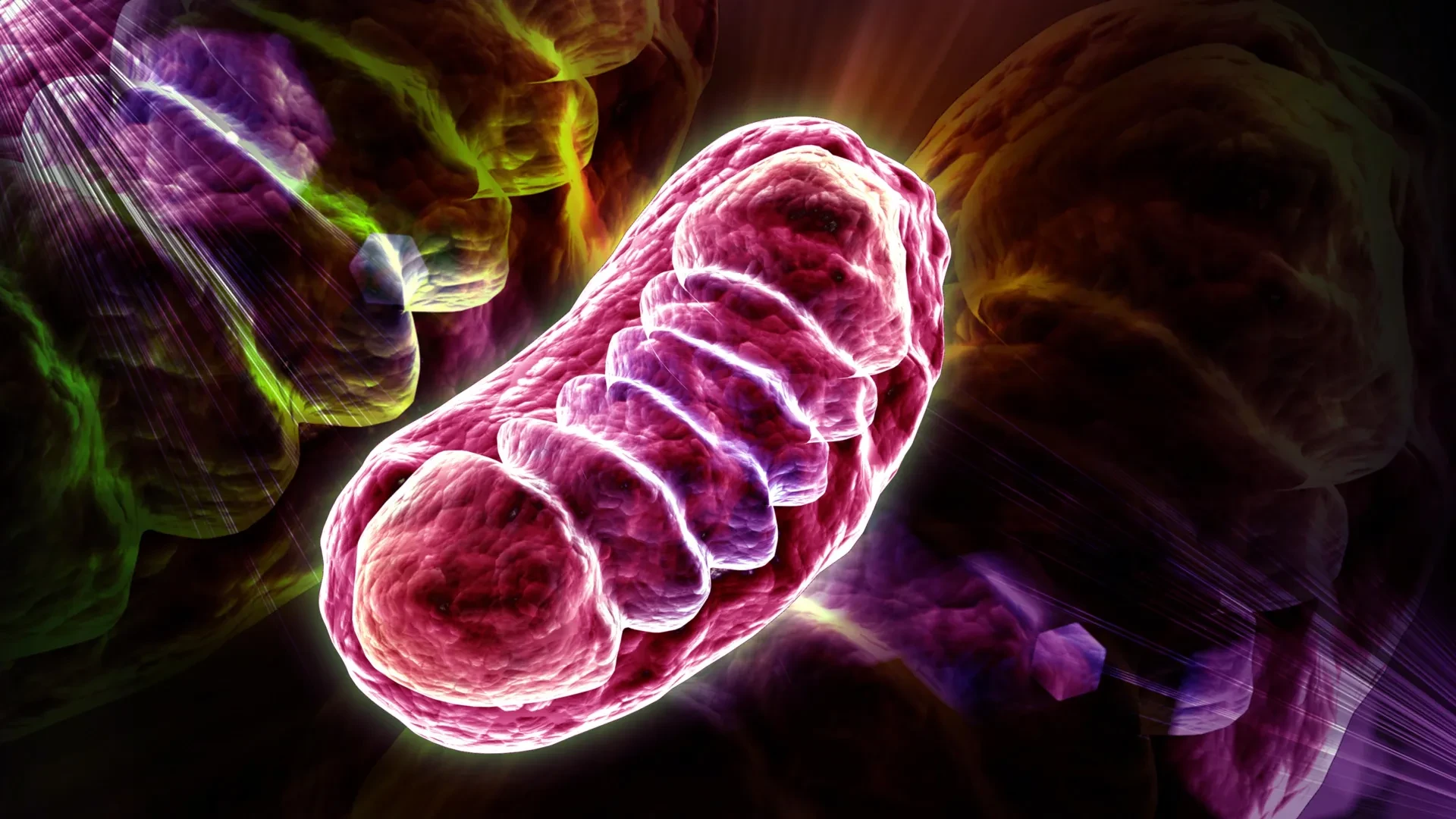
When the rate of RNA production—whether from the cell’s own genes or from an invading virus—outpaces the cell’s ability to break it down, the resulting accumulation can lead to significant structural and functional damage. The primary victim of this buildup is the mitochondrion.
Why Too Much RNA Can Damage Cells
RNA comes in several varieties, each serving a distinct purpose. Messenger RNA (mRNA) is perhaps the most well-known, acting as the bridge between the DNA in the cell’s nucleus and the protein-making factories in the cytoplasm. These proteins are the workhorses of the cell, responsible for everything from structural integrity to the facilitation of chemical reactions.
Another type, double-stranded RNA (dsRNA), is less common in healthy human cells but frequently appears as a byproduct of viral replication. Because dsRNA is a hallmark of many viruses, its presence usually acts as a high-priority warning signal, alerting the immune system that an intruder has gained access to the cell.
Historically, scientists understood that excessive amounts of double-stranded RNA could provoke intense and potentially harmful immune responses. The surprise for Dr. Yang and his team was the discovery that ordinary mRNA—the very molecule our cells rely on every day—could also become a source of damage if it accumulates in high enough concentrations.
"mRNA is a normal component of our cells, but it seems like with many good things, if we get too much, that can become a problem for the cell," Yang explained. "When too much RNA builds up, including mRNA, it can damage the mitochondria and interfere with the cell’s ability to produce energy."