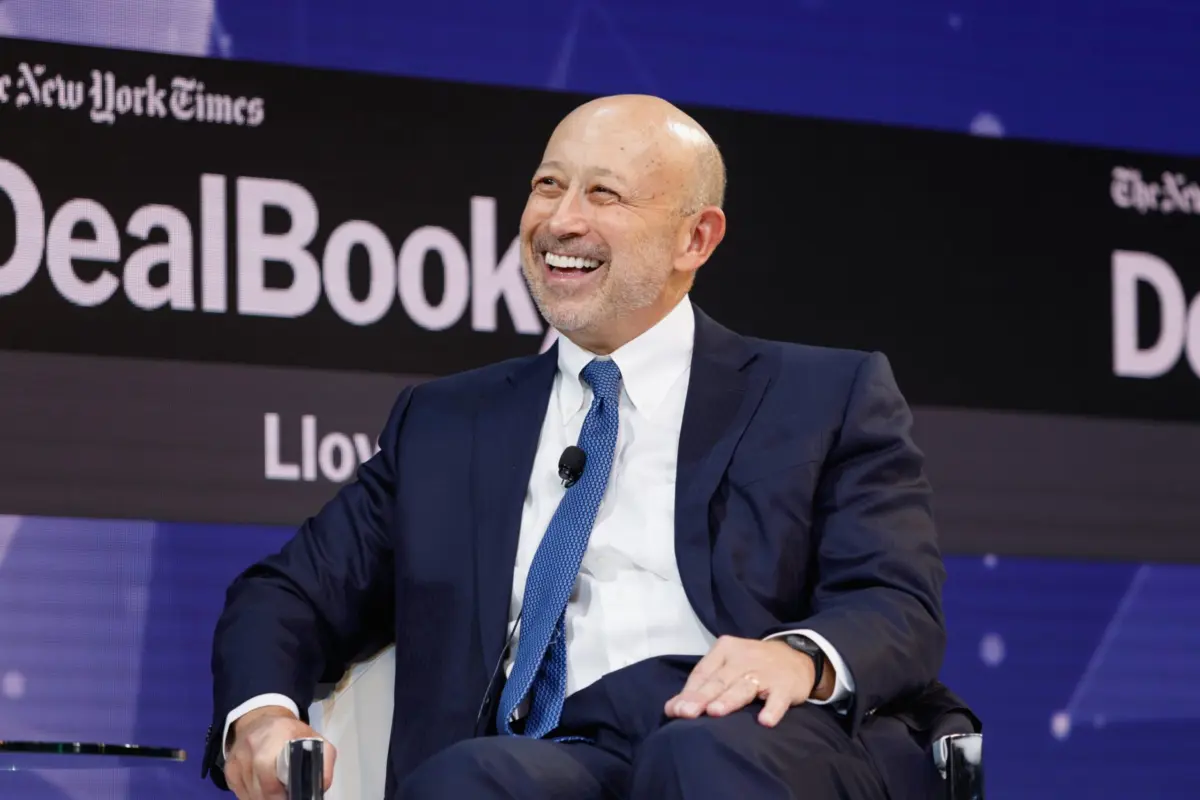
Blankfein has emerged as a primary counter-voice to Thiel’s philosophy. In an excerpt from his upcoming memoir, Streetwise, shared with Vanity Fair, Blankfein directly addressed the tech mogul’s stance. "I strongly disagree with the technology investor Peter Thiel," Blankfein wrote. He argued that while technical proficiency is a baseline requirement for any career, it is far from the only ingredient for long-term success. "To succeed in a career, you have to know the technical minutiae of your field, of course. But you also need to be a complete person—the kind of person other people want to engage with."
Blankfein’s defense of college is centered on the holistic development of the individual. As a graduate of both Harvard University and Harvard Law School, he credits his time in the Ivy League with nurturing a specific set of "soft skills" that are often difficult to quantify but essential in the boardroom. He points to the development of his writing skills, a deep-seated love of history, and a consistent engagement with current events as products of his education. Perhaps most importantly, he credits the university environment with building his confidence—a trait necessary for a young man from a Brooklyn housing project to eventually lead a global investment bank.
Interestingly, Blankfein does not describe his time at Harvard as a period of pure academic bliss. In his memoir, he admits that he "survived" the experience more than he enjoyed it, suggesting that the rigor and the social adjustment were significant challenges. However, he maintains that the struggle was intrinsic to the benefit. "Your undergraduate years are your best opportunity to make yourself uncomfortable in a way that can help make you more curious and interesting," he wrote. For Blankfein, the value of college lies in that very discomfort, which forces students to broaden their horizons beyond their immediate technical interests.
Other CEOs agree: college builds essential skills, including the liberal arts
Blankfein is not alone in his defense of the university system. While the "dropout-to-founder" narrative remains popular in some corners of Silicon Valley, several other prominent CEOs have stepped forward to credit their diverse educational backgrounds for their executive success. These leaders argue that the most effective workforce is one that can marry hard technical data with the nuanced understanding provided by the humanities.
Uber CEO Dara Khosrowshahi is a vocal proponent of this balanced approach. An alumnus of Brown University, Khosrowshahi has often spoken about how his degree in engineering provided him with the logical framework to solve complex problems. However, he also emphasizes that it was his exposure to the liberal arts that truly prepared him for the corner office. During a panel at Brown last year, Khosrowshahi described his balanced education as one of his "secrets" to success.