As the northern hemisphere transitions into the vibrant hues of autumn, photographers worldwide are recalibrating their gear to capture the short-lived transformation of the natural world. For landscape and wildlife photographer Kate Garibaldi, the arrival of fall color represents more than just a change in palette; it is a period that demands a specialized, highly flexible approach to equipment. In a detailed breakdown of her current field kit, Garibaldi reveals the strategic choices behind her gear, emphasizing a balance between the technical requirements of high-resolution landscapes and the unpredictable demands of wildlife and macro photography.
The challenge of autumn photography lies in its transience. A single frost or a heavy rainstorm can strip a forest of its color in a matter of hours, making preparedness the most critical element of any seasonal outing. Garibaldi’s approach is built on the philosophy that one should never be limited by their bag, yet never weighed down by unnecessary bulk. This has led to the development of a modular system—a "basic kit" that remains constant, supplemented by specific additions depending on the day’s primary objective.

A Tale of Two Bags: The Strategic Choice Between Mobility and Capacity
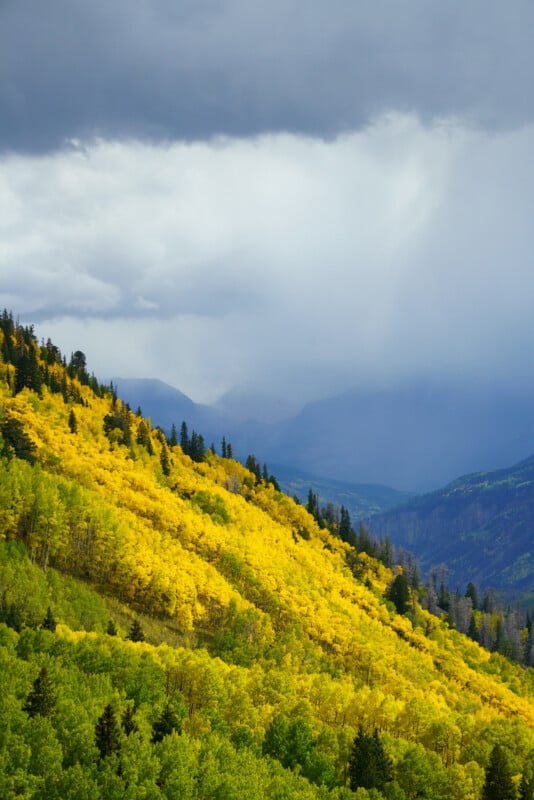
Central to Garibaldi’s workflow is the use of two distinct camera bag setups. Rather than attempting a "one size fits all" solution, she selects her carrying system based on the terrain and the likelihood of wildlife encounters. When the day is dedicated to traditional landscape work—hiking through trails to find the perfect vista of reds and golds—she prioritizes a compact profile.
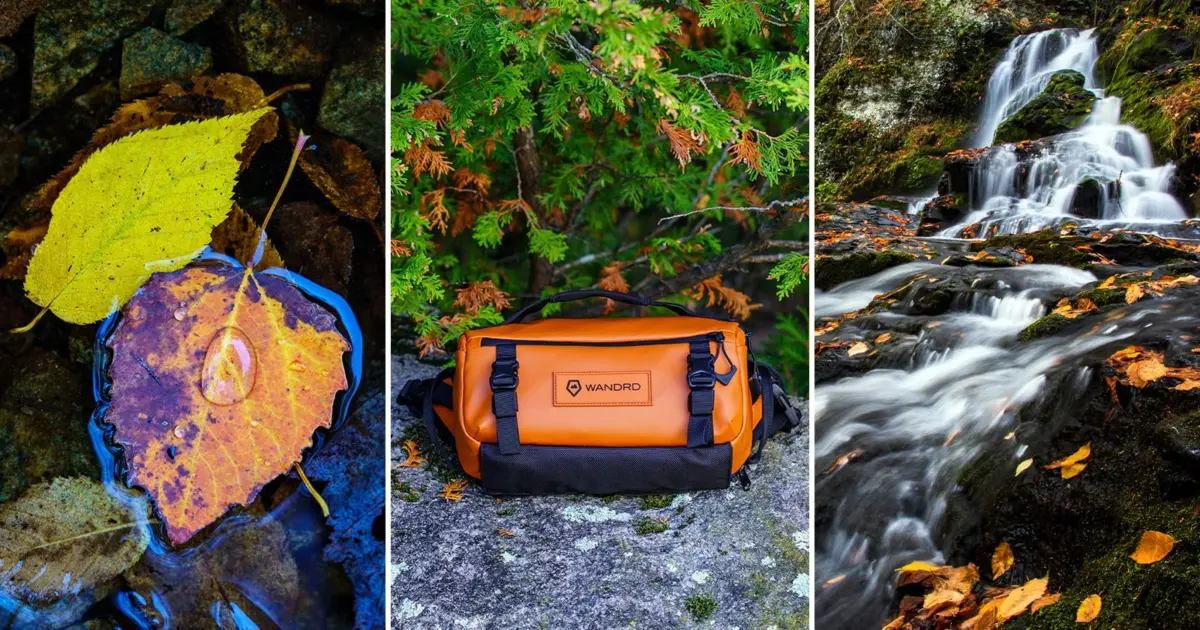
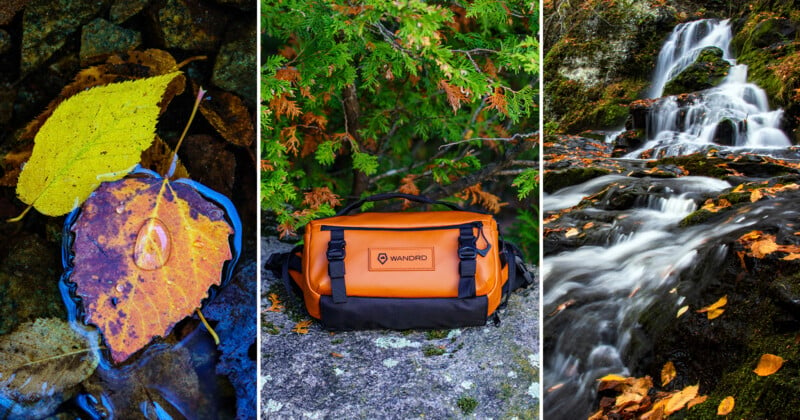
For these lighter excursions, Garibaldi utilizes the WANDRD Rogue Sling 9L, often opting for the Sedona Orange or Yuma Tan versions. The sling format allows for quick access and high mobility, which is essential when navigating uneven forest floors or rocky outcrops. Despite its small footprint, the Rogue Sling is designed with an array of internal pockets that allow for the organized storage of batteries, filters, and small accessories without the need for a cumbersome backpack.
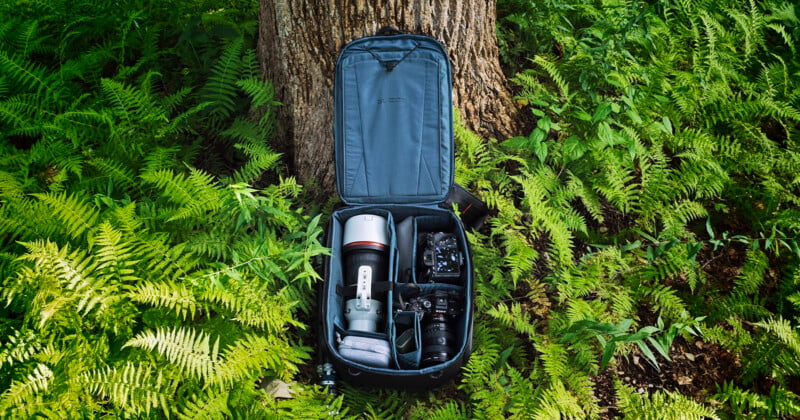
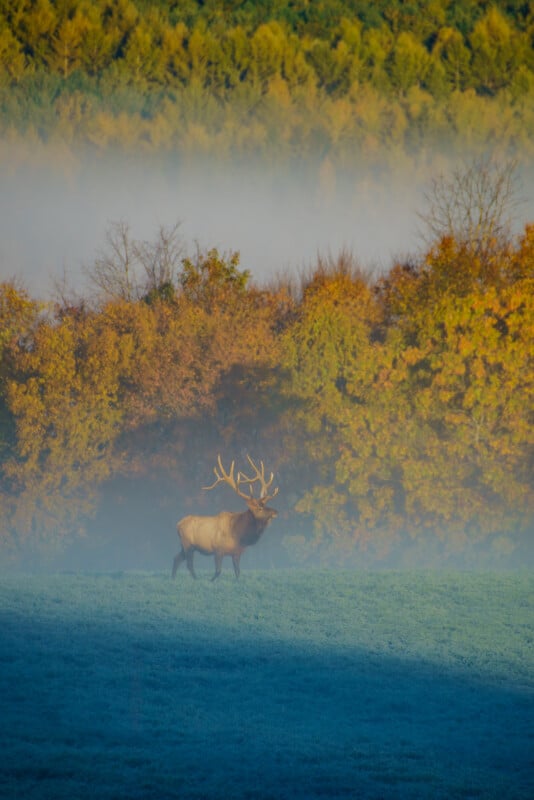
However, when the itinerary includes areas known for wildlife, such as elk habitats where long-distance reach is non-negotiable, she shifts to the PGYTECH OneMo 2. This larger backpack serves as her "everything but the kitchen sink" option. The primary motivator for this switch is the inclusion of heavy telephoto lenses. The OneMo 2 provides the necessary volume to carry long glass while maintaining ergonomic support for longer treks. This dual-bag strategy ensures that she is never over-encumbered during a simple landscape hike, nor under-equipped when a rare wildlife moment presents itself in the distance.

The Core Imaging System: High Resolution and Specialized Glass
Garibaldi’s current imaging core is built around the Sony a7R IV. The camera’s high-resolution sensor is particularly well-suited for autumn photography, where the intricate textures of fallen leaves and the fine details of forest canopies require significant resolving power. This resolution also offers a safety net for wildlife photography, allowing for tighter crops while maintaining professional-level image quality.
Her lens selection is a mixture of personal staples and rotating review units, reflecting her role as a gear tester. Currently, her kit includes a diverse range of focal lengths to cover every eventuality:
- Viltrox AF 20mm f/2.8: A lightweight, wide-angle prime ideal for expansive landscape vistas.
- Viltrox AF 56mm f/1.7: A compact mid-range lens for natural-perspective environmental shots.
- Tamron 90mm f/2.8 Di III Macro VXD: A critical tool for capturing the smaller details of the season, from frost-covered leaves to the intricate patterns of fungi.
- Sigma 50-500mm: The "heavy hitter" of the kit, providing the reach necessary for wildlife and the ability to compress distant mountain ridges.
Garibaldi notes that her kit is fluid. As an editorial contributor, she often integrates loaner lenses into her bag for hands-on testing. This real-world application ensures that her reviews are based on the same rigorous field conditions she subjects her own gear to during the peak of the season.
Stability and Support: Balancing Weight and Rigidity
In the world of landscape photography, a tripod is often viewed as a mandatory burden. For Garibaldi, the choice of support is a calculated trade-off between stability and portability. Autumn photography frequently involves capturing moving water—waterfalls, streams, and brooks—where slow shutter speeds are required to create a sense of motion.
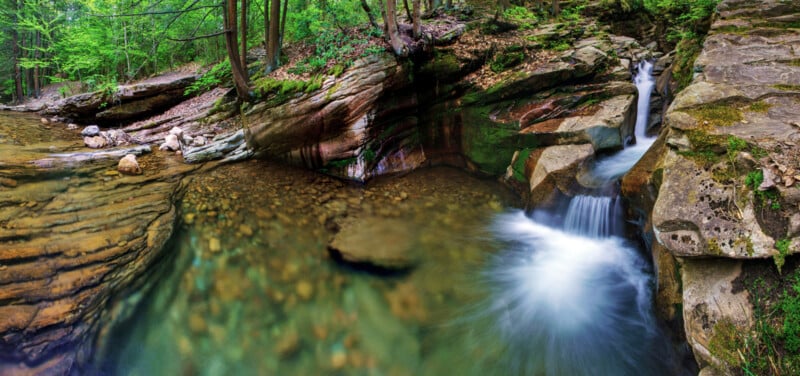
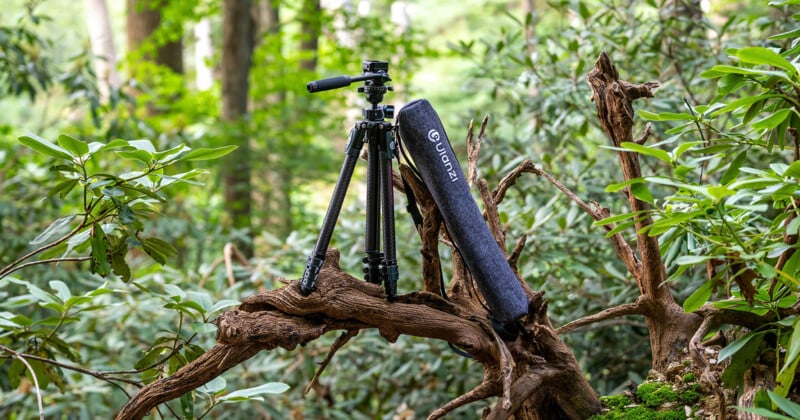
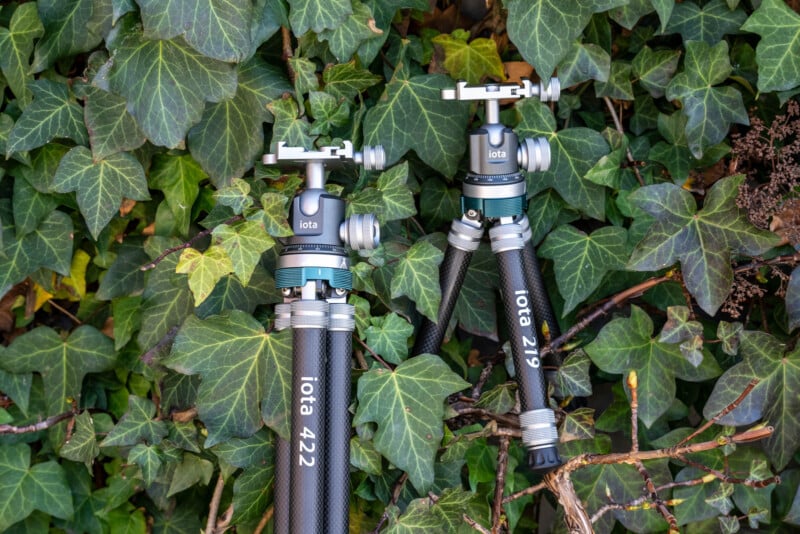
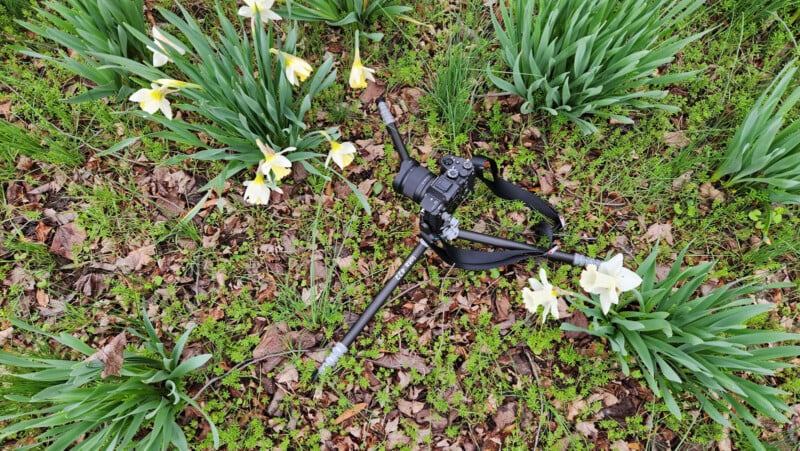
She utilizes two different carbon fiber tripods depending on the day’s needs. The Ulanzi JJ06 offers a "beefier" set of legs, providing maximum stability for heavy telephoto setups or in windy conditions. Conversely, when weight is the primary concern, she reaches for the Promaster Iota 422. This lightweight alternative allows her to remain nimble on the trail without sacrificing the ability to carefully compose a shot.
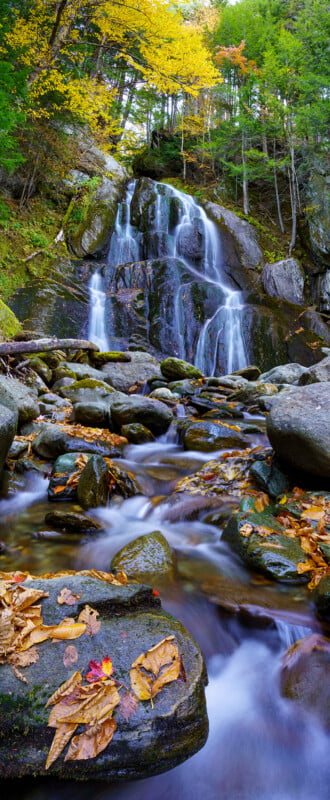
The use of a tripod also facilitates a more deliberate creative process. Handholding a camera can lead to rushed compositions, whereas the act of setting up a tripod encourages a photographer to make micro-adjustments to the frame, ensuring that the vibrant autumn colors are balanced perfectly within the scene.
The Filter Kit: Controlling Light and Reflections
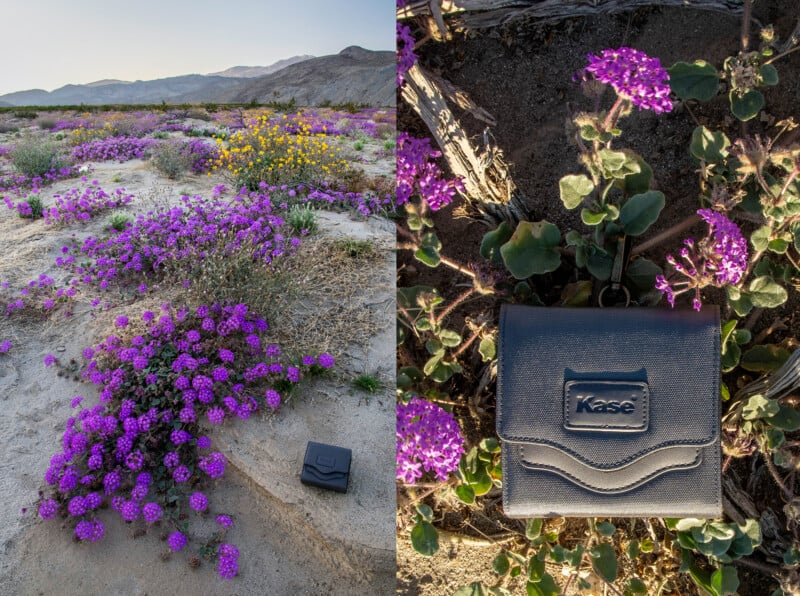
One of the most transformative tools in Garibaldi’s autumn kit is her selection of filters. Because fall photography often takes place in wet environments, controlling reflections is paramount. Her go-to system is the Kase KW Magnetic Filter kit, though she currently supplements it with a B+W circular polarizer (CPL).
The CPL is indispensable for autumn landscapes. It allows the photographer to cut through the glare on wet rocks and saturated leaves, revealing the true depth of the colors underneath. Furthermore, it can deepen the blue of the sky and remove reflections from the surface of water, allowing the camera to see into the depths of a clear stream.
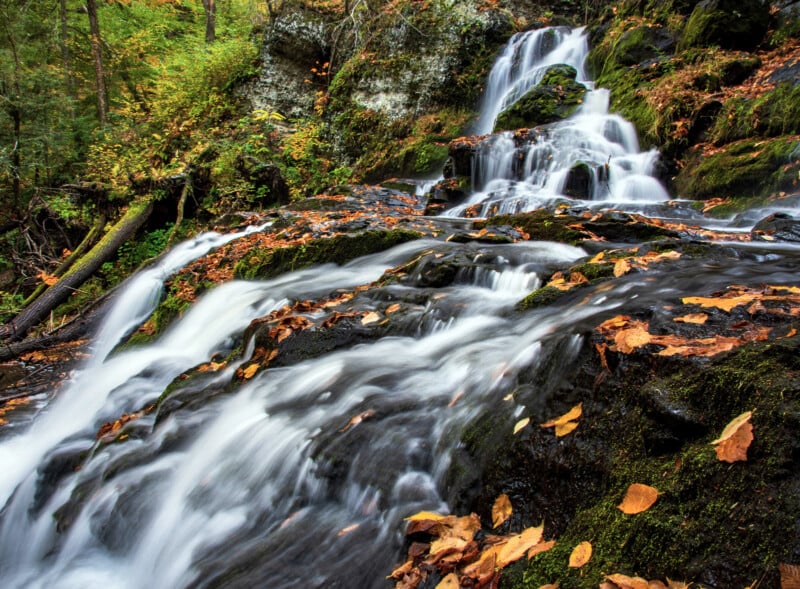
In addition to the CPL, Garibaldi carries a range of Neutral Density (ND) filters. These act as "sunglasses" for the lens, reducing the amount of light that reaches the sensor. This is the secret behind the "silky" water effect seen in her waterfall images. By extending the exposure time, she can blur the movement of water while keeping the surrounding foliage tack-sharp, creating a dynamic contrast between the stillness of the trees and the flow of the river.
Maintenance and Power in the Field
The autumn environment can be harsh on electronic equipment. Dropping temperatures and high humidity can lead to rapid battery depletion and lens fogging. Garibaldi’s bag is always stocked with a robust cleaning kit: lens wipes, microfiber cloths, a duster, and a small spray bottle. The latter is a dual-purpose tool, used both for cleaning and for adding "dew" droplets to leaves for macro shots.
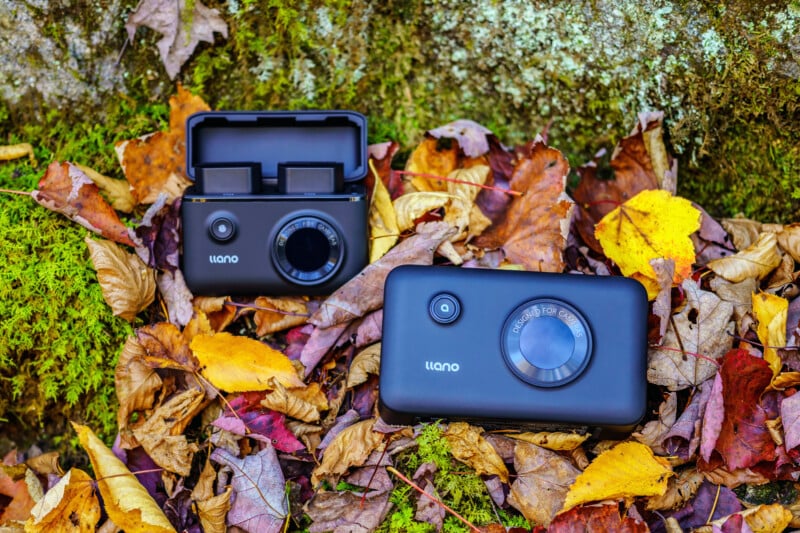
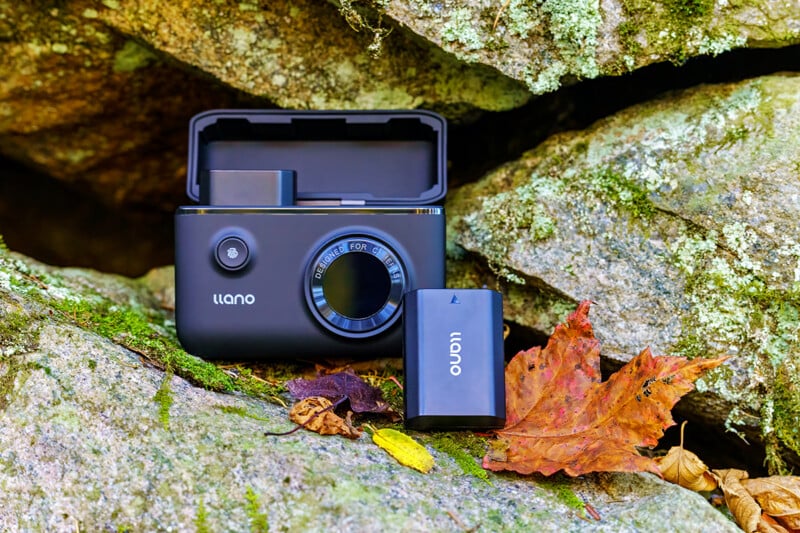
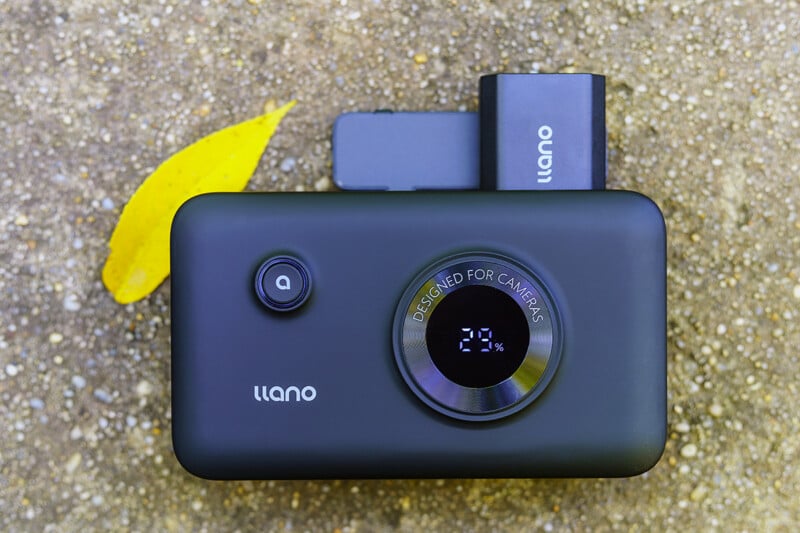
To combat the power-draining effects of the cold, she relies on a sophisticated charging system from Llano. Her setup includes a charging case that houses two batteries and a larger portable power bank with a built-in charging slot. The Llano batteries, which she finds often outperform OEM versions in terms of longevity and charging speed, allow for a continuous rotation of power. This "on-the-go" charging capability is vital for backcountry trips where access to a wall outlet is non-existent, ensuring that she never misses a shot due to a dead battery.
Modern Workflow: External Monitors and BTS Content
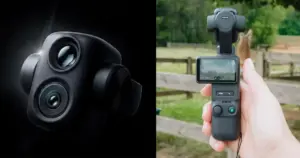
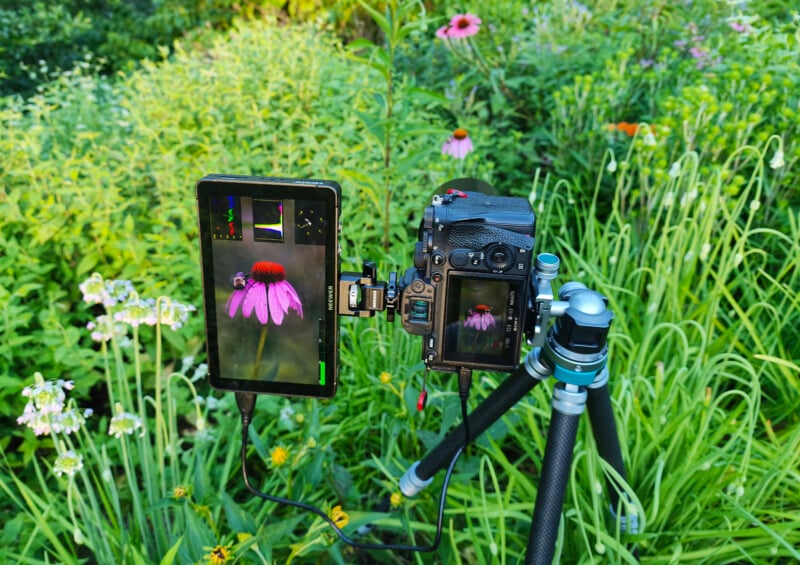
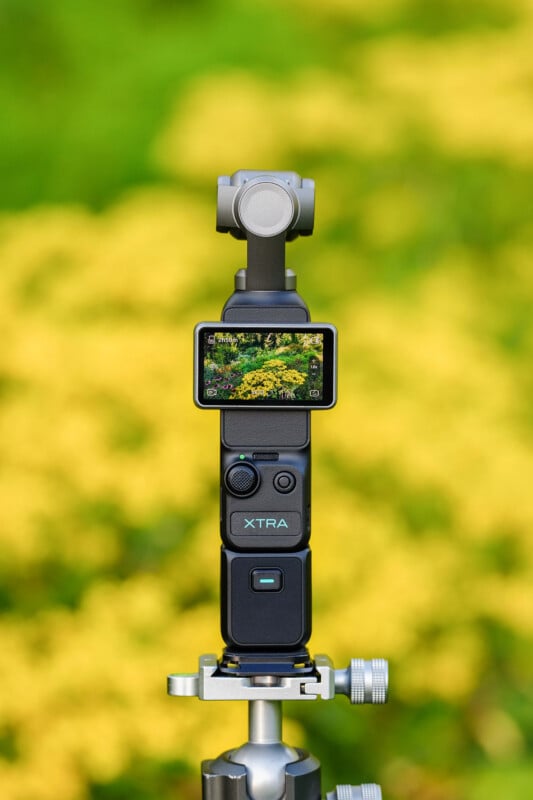
In a shift toward modern digital storytelling, Garibaldi has integrated an external monitor and small gimbal cameras into her routine. The external monitor provides a larger, clearer view than the camera’s built-in LCD, which is invaluable for verifying focus and composition in the field. This "measure twice, cut once" approach helps ensure that the fleeting opportunities of the season are captured correctly the first time.
The gimbal cameras serve a different purpose: transparency and social media engagement. By capturing behind-the-scenes (BTS) video, Garibaldi can show the reality of the scene, countering the modern skepticism that often leads people to label vibrant nature photography as AI-generated. These videos also serve an educational purpose, showing other photographers the relationship between the wide-scale environment and the final, isolated composition.
Creative Details: The Nature Flat Lay
The final element of Garibaldi’s autumn process involves a "leave-no-trace" approach to creative styling. When she discovers particularly striking leaves or forest artifacts, she may gather them for a "nature flat lay." Unlike some who create permanent art pieces, Garibaldi’s arrangements are temporary and natural-looking.
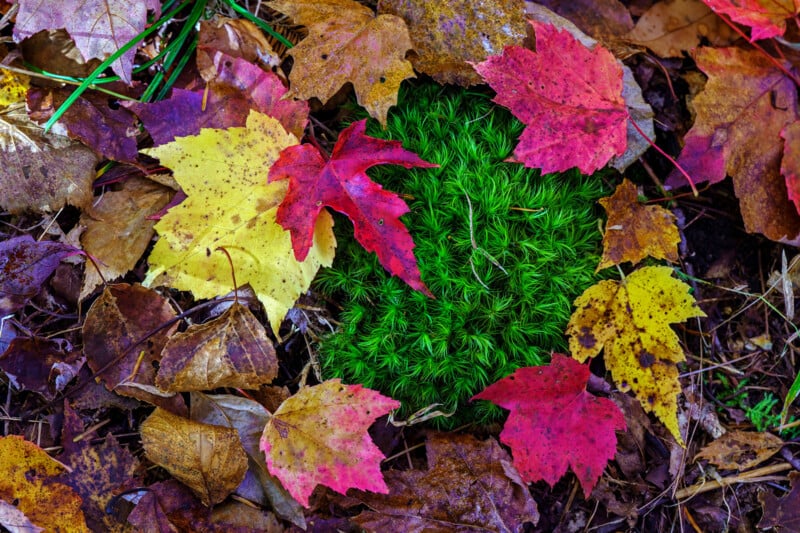
She emphasizes that these are intentional compositions, not random occurrences. By carefully arranging a few fallen leaves or a pine cone on a bed of moss, she can capture the "micro-landscape" of the forest floor. Once the photograph is taken, the items are left where they were found, preserving the environment for the next visitor.

Ultimately, Garibaldi’s autumn kit is a testament to the importance of adaptability. By building a system that can scale from a light sling to a heavy-duty backpack, she ensures that she is prepared for the grand vistas, the intimate details, and the unexpected wildlife encounters that make the fall season a perennial favorite for photographers.