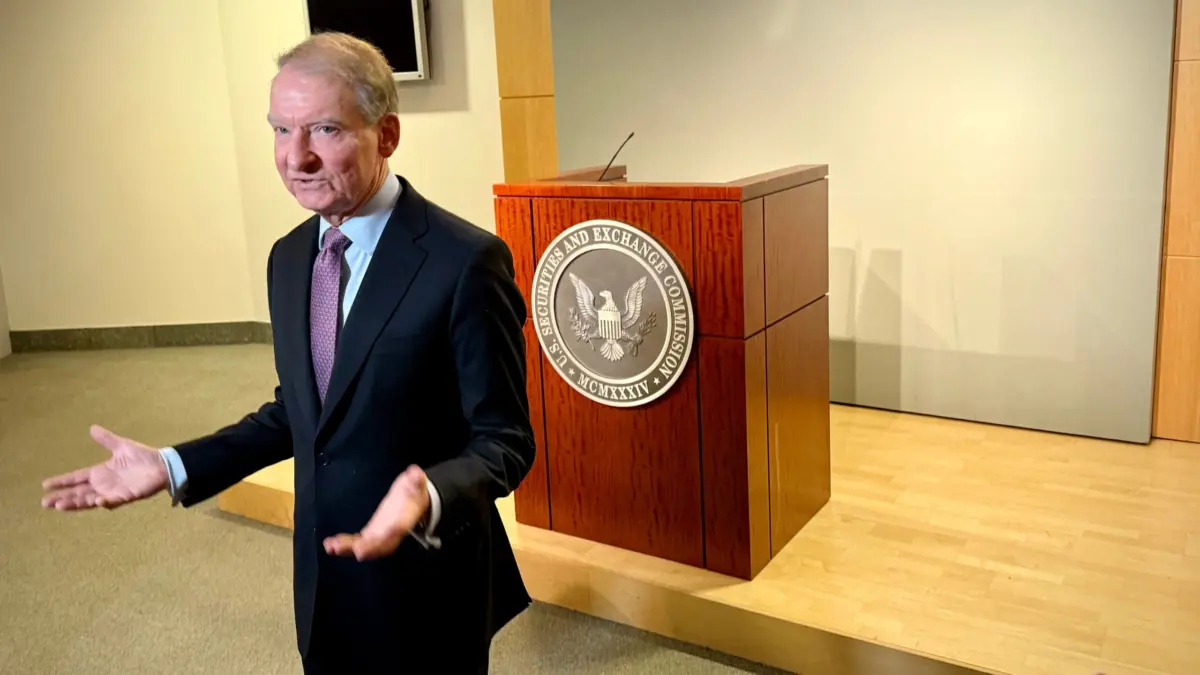
Despite the enthusiasm with which Atkins and Selig are moving, there remains a fundamental problem: agency rules are not the law. While the SEC’s current all-Republican commission can pass regulations without Democratic approval—due to two lingering vacancies on the board—these rules are vulnerable.
Atkins himself has been vocal about this limitation. Throughout the year, he has repeatedly described legislation as "indispensable" for creating "future-proofed" rules. In a statement made in August, he warned that without the protection of a federal law, any progress made today could be "unwound by a future rogue regulator." For Atkins, the term "future-proof" implies a level of durability that only Congress can provide.
Furthermore, rules established by agencies are frequently subject to legal challenges in federal court. Critics and opposing political factions often argue that agencies exceed their delegated authority when they create expansive new regulatory frameworks without a specific mandate from Congress. If the SEC or CFTC’s new crypto rules are challenged, the resulting litigation could tie the industry in knots for years, further delaying the stability that market participants have been seeking for over a decade.
The tokenization initiative and the CFTC’s move toward "perp" futures are significant steps, but they are built on a foundation of administrative policy rather than legislative certainty. For the industry, this means that while the "Gensler era" of enforcement may have cooled, a new era of "policy volatility" may be beginning.
The Road Ahead for Project Crypto
As the SEC continues to build out its "Project Crypto" framework, the agency is attempting to position itself as an ally to future legislative efforts rather than a replacement for them. Atkins has maintained that his agency’s work is intended to complement the work of Congress, providing a template that lawmakers can eventually use to draft a more permanent version of the Clarity Act.
However, for the time being, "Project Crypto" and the CFTC’s new market labels stand alone. They represent a piecemeal version of the grand vision once held by proponents of the Clarity Act. While these measures offer a temporary reprieve from regulatory uncertainty, the industry remains wary. The race to substitute agency regulations for the law is a high-speed maneuver, but without the "bedrock" of a Senate-approved bill, the path forward remains fraught with political and legal risks.
The U.S. crypto market is now effectively being governed by a set of "stand-in" rules. Whether these stand-ins can survive the next political shift in Washington remains the most critical question for the future of digital assets in America. For now, the regulators are in the driver’s seat, moving as fast as possible before the legislative window—or their own tenure—closes.