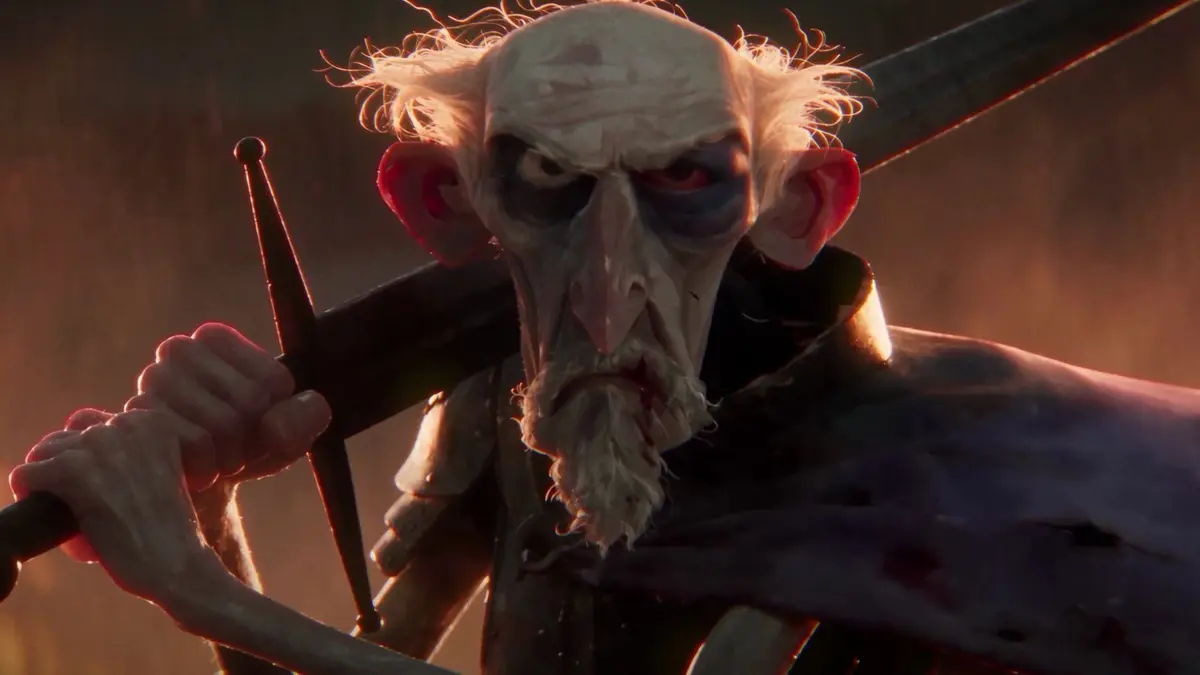
The literary ghost of Miguel de Cervantes has a notorious reputation for thwarting even the most visionary filmmakers. For decades, the tale of the deluded knight-errant has been a graveyard of stalled productions and abandoned dreams, most famously exemplified by Terry Gilliam’s thirty-year odyssey to bring his own version of the story to the screen. The inherent madness of the source material seems to infect the very process of its adaptation. Yet, where traditional Hollywood budgets and logistical nightmares have historically failed, a new breed of creators is stepping into the fray, armed not with lances, but with generative artificial intelligence.
Guillermo Miranda and Javier de la Chica recently unveiled their own attempt to conquer the windmill-strewn plains of La Mancha with La Triste Figura (The Sorrowful Figure). A comedy-adventure short film built around the iconic windmill episode, the project serves as a significant case study in the evolving relationship between human creativity and machine learning. Produced in collaboration with the AI platform Magnific, the film represents a shift away from the "one-man army" trope often associated with AI content, instead opting for a collaborative, multi-departmental approach that mirrors traditional animation studios.
The Madrid Premiere: Testing the Human Element
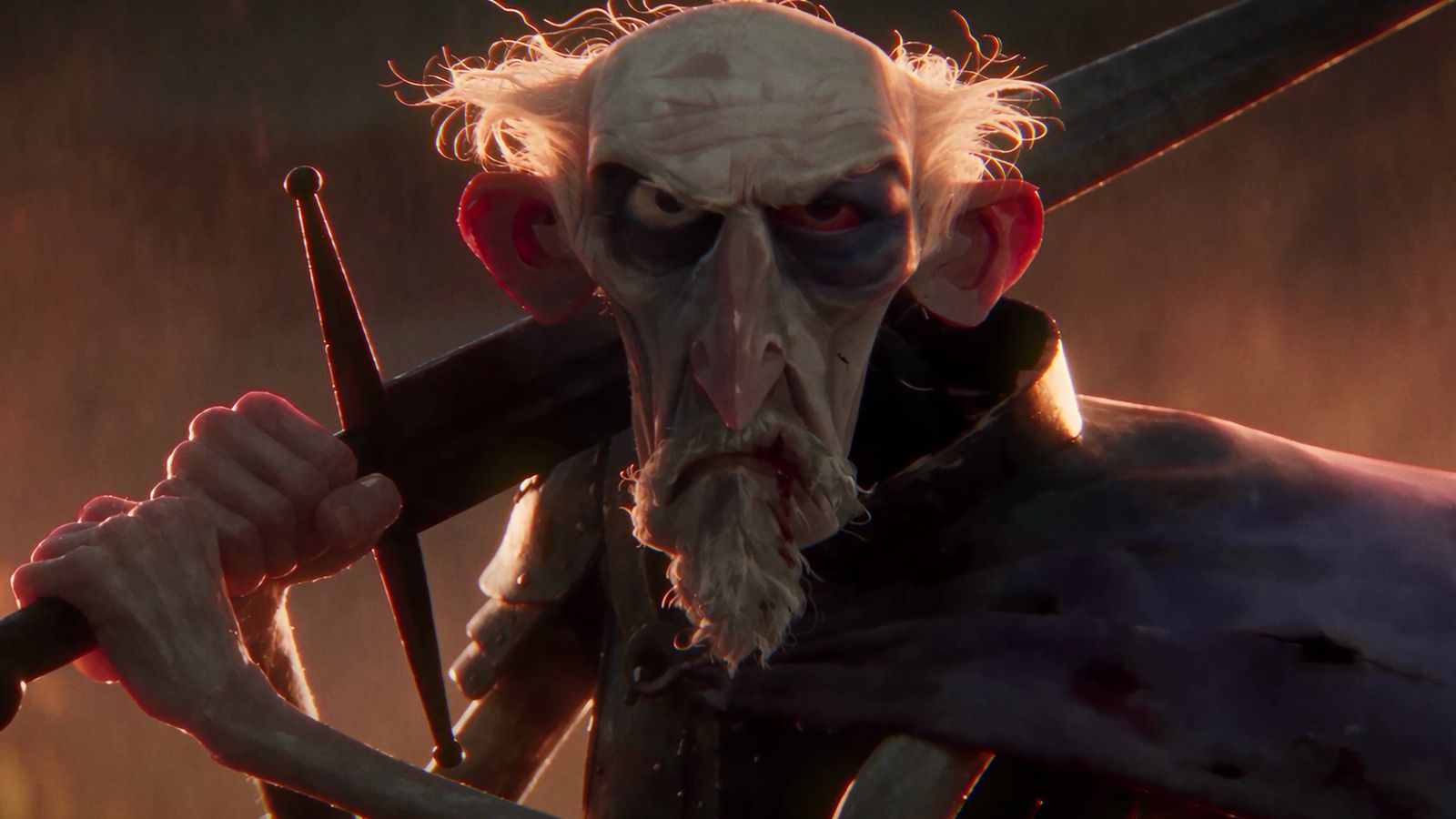
The true test of any film, regardless of its production method, lies in the darkness of a cinema and the reactions of a live audience. La Triste Figura premiered on September 23 at a small art cinema in Madrid, providing a rare opportunity to gauge how viewers engage with AI-generated characters on a narrative level. While AI shorts have long been praised for their ability to generate high-fidelity action and striking visual styles, they often struggle to maintain emotional resonance or comedic timing.
However, the atmosphere in Madrid suggested a breakthrough. Rather than being distracted by the novelty of the technology, the audience responded most strongly to the dialogue and the comedic interplay between Quixote and his faithful squire, Sancho Panza. There was a warmth to the production that many "AI-made" animations lack—a quality that suggests the creators successfully used the tools to enhance, rather than replace, the human touch.
The success of the film’s tone can be traced back to the foundational importance of the script. Javier de la Chica, a long-time devotee of Cervantes’ novel, had spent years conceptualizing an adaptation. For him, AI was not a shortcut, but the key that finally unlocked a project that had previously felt out of reach. By choosing a story as globally recognized as Don Quixote, the directors were able to leverage existing cultural context, allowing them to focus on the specific tone and character dynamics without the need for extensive world-building.
AI can feel like ‘multiplayer’ filmmaking
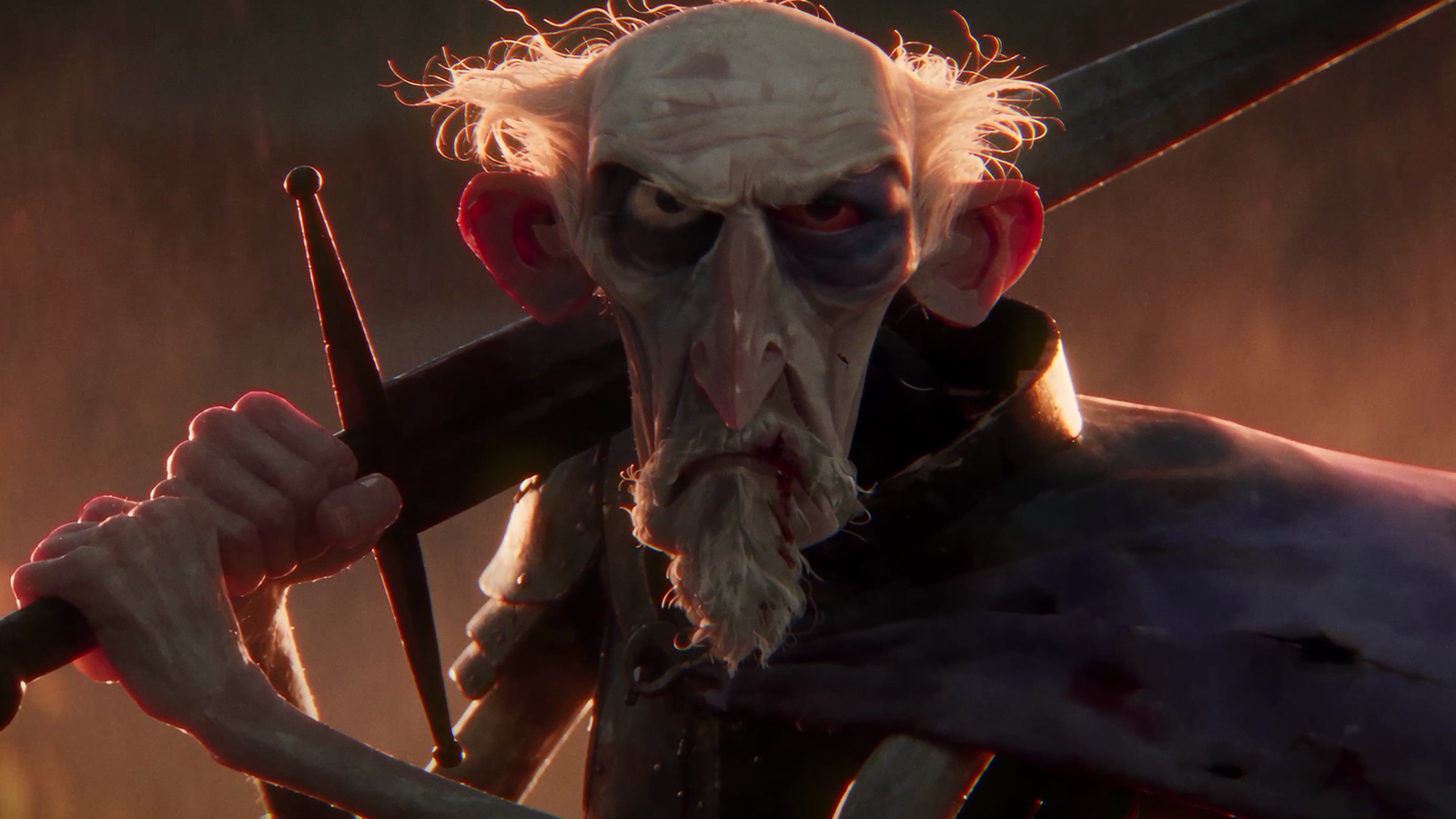
One of the most striking aspects of La Triste Figura is the way the work was organized. In the current landscape of generative media, there is a prevailing narrative that AI will lead to the era of the solo creator. Miranda and de la Chica took the opposite approach. Coming from the world of professional animation—where production is strictly divided into specialized departments such as storyboarding, lighting, and rendering—they sought to recreate that collective energy within an AI workflow.
The team behind the film fluctuated between ten and thirty people at the peak of production. The directors worked across different cities, utilizing a shared project environment that allowed them to watch each other’s AI generations in real time. De la Chica describes this process as a "multiplayer game," a creative ecosystem where everyone on the team retains a degree of creative control.