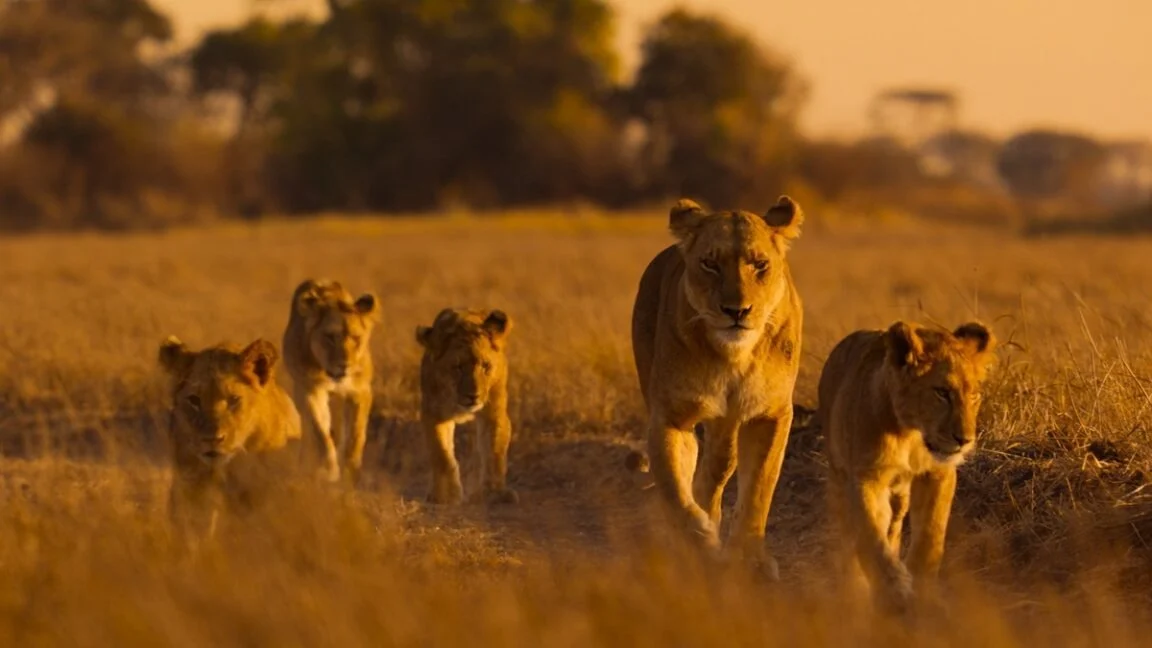
A wild African black panther prowls through the dark in search of prey. An orphaned baby pangolin carefully navigates its surroundings, attempting to learn how to climb without the guidance of a parent. On a remote shoreline, an exhausted green turtle struggles to return to the sea after laying her eggs, only to be lifted and carried to the water’s edge by compassionate local residents. These striking moments capture just a fraction of the vast, intricate animal life showcased in Africa: Earth’s Wild Home, a new documentary series from National Geographic now streaming on Disney+ and Hulu.
The seven-part natural history series marks the flagship launch of an ambitious new global franchise for National Geographic. The overarching project aims to systematically document the wildlife, ecosystems, and environmental dynamics of all seven continents in turn, devoting dedicated multi-part series to each region of the globe. By establishing this expansive blueprint, the network seeks to offer an unprecedented look at Earth’s biodiversity, beginning with one of the most ecologically diverse and physically challenging environments on the planet.
To bring the epic scope of the continent to life, the producers selected acclaimed actor Wunmi Mosaku to serve as the narrator for Africa: Earth’s Wild Home. Mosaku, known for her powerful performances in projects such as Sinners, Loki, and Lovecraft Country, brings a deeply personal perspective to the voiceover work. Born in Nigeria and raised in England, the actor viewed the opportunity as both a professional honor and a profound personal homecoming.
Mosaku expressed immense gratitude for the opportunity to partner with National Geographic on such an expansive endeavor. She noted that being invited to narrate the series held significant personal meaning, providing a rare chance to re-engage with her heritage while highlighting the natural magnificence of the land where she was born. For Mosaku, participating in the project was a way to celebrate a continent defined by extreme contrasts, endless resilience, breathtaking beauty, and immense biological diversity.
Although Mosaku was already familiar with several parts of the continent—having spent time in Nigeria and Ghana, and having worked professionally in Kenya and South Africa—she found that working on the documentary revealed a vast realm of natural phenomena she had never previously encountered. She observed that Africa possesses such an overwhelming depth of geographical and biological variety that an individual could spend an entire lifetime exploring it without uncovering all its secrets. Among the most startling discoveries for her was witnessing snow-covered mountain terrains within Africa, complete with resident monkey populations that have adapted to live and thrive in sub-zero, wintery conditions.
The physical scale of the production reflects the sheer vastness of its subject matter. Africa: Earth’s Wild Home required four years of continuous field production to complete. Over the course of those four years, camera crews and field researchers traveled across nearly 30 different African nations to record footage in some of the world’s most remote and inhospitable landscapes.
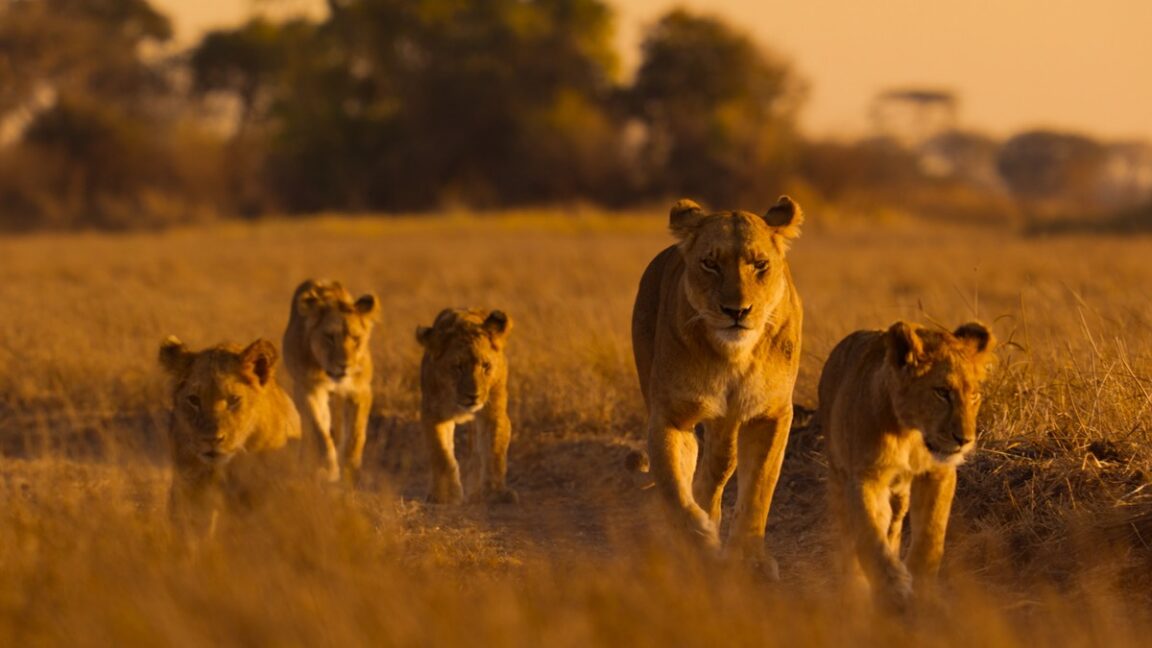
The resulting seven episodes are structured around specific ecological biomes, systematically examining life across Africa’s dense jungles, arid deserts, vast open plains, rugged mountain ranges, and isolated oceanic islands. Each episode presents a multi-faceted view of these habitats, combining intimate animal portraiture with broader ecological context.
In addition to documenting wildlife, every episode concludes by turning the lens onto the human elements behind the camera. The series explicitly spotlights the dedicated scientists, wildlife photographers, and National Geographic explorers whose tireless field work, logistical coordination, and technical expertise made the filming possible. The final episode of the series takes this focus a step further, placing special emphasis on local African conservation leaders and researchers who are actively working on the front lines to protect and preserve the continent’s fragile ecosystems for future generations.