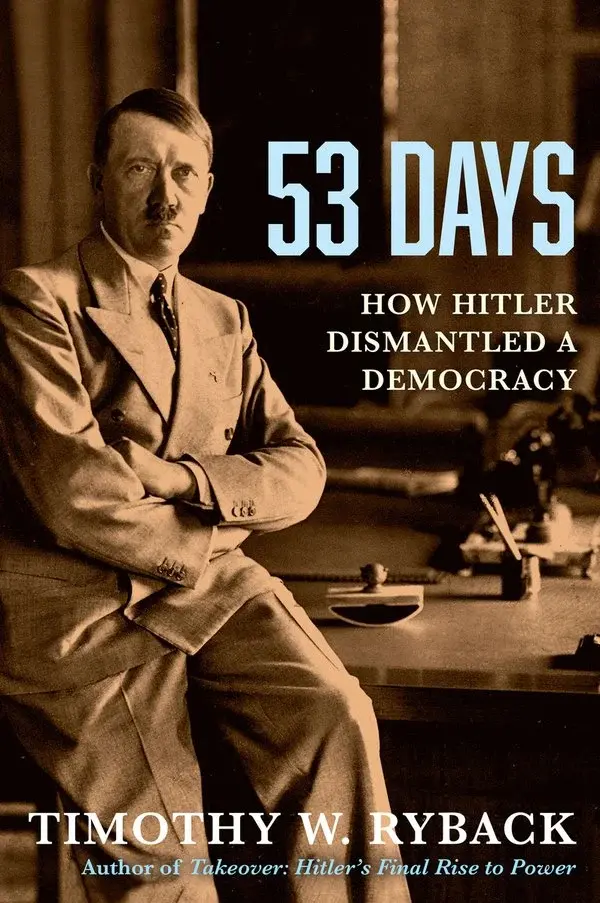
The aftermath of the election was marked by a profound sense of despair among those who had hoped to preserve the democratic order. German social democrats, much like some modern observers in the wake of the 2024 American election cycle, found themselves in a period of intense recrimination and lamentation. Emil Gumbel, a prominent statistician and associate of Albert Einstein, questioned how the youth could have fled "in hordes into the enemy camp." He wondered how Hitler had succeeded in transforming the "most animalistic nature" of man into what was being hailed as the "highest of human virtues."
Gumbel’s analysis led him to a crucial realization. While the defenders of the republic had focused their campaign on abstract threats to democracy, civil liberties, and the rule of law, Hitler had focused on what Gumbel called "Alltagssorgen"—the everyday concerns of the people. By addressing issues such as housing, inflation, unemployment, public safety, and national pride, Hitler spoke to the immediate anxieties of the electorate in a way that the intellectual defense of democratic institutions failed to do.
In retrospect, historians often view the March 5, 1933, election as a sham, a contest where the odds were irrevocably tipped by manipulation and intimidation. However, contemporary perceptions and the raw statistics suggest that the outcome was not a foregone conclusion. Fred Birchall, a Pulitzer Prize-winning reporter for The New York Times, had predicted just weeks before the vote that an adverse outcome for Hitler would consign him and his party to "the limbo of forgotten things." His assessment serves as a reminder that elections are driven by political contingency rather than historical inevitability.
Today, as Americans look toward a November election that is being framed as a watershed moment for the nation, the lessons of 1933 take on a renewed urgency. The republican form of government—written with a small "r"—that has served as the bedrock of the country for two and a half centuries appears to many to be in a state of peril. Pundits and analysts are busy offering predictions, with some suggesting a Democratic wave is imminent despite President Trump’s efforts to influence the outcome through various means, including proposed financial incentives. Ultimately, however, the decision rests exactly where it did in March 1933: in the hands of the voters. The historical record suggests that prescience is only ever evidenced in retrospect, and the choices made at the ballot box will determine whether the current era is remembered as a moment of democratic resilience or as a pivot toward a very different kind of future.