As the northern hemisphere transitions into the vibrant hues of autumn, photographers worldwide are recalibrating their gear to capture the short-lived transformation of the natural world. For landscape and wildlife photographer Kate Garibaldi, the arrival of fall color represents more than just a change in palette; it is a period that demands a specialized, highly flexible approach to equipment. In a detailed breakdown of her current field kit, Garibaldi reveals the strategic choices behind her gear, emphasizing a balance between the technical requirements of high-resolution landscapes and the unpredictable demands of wildlife and macro photography.
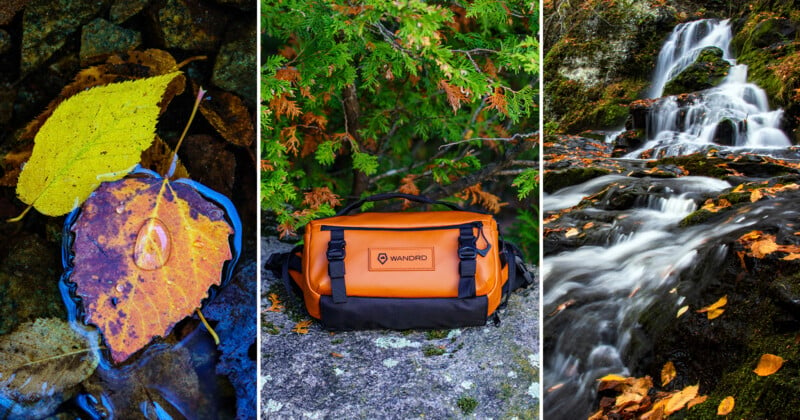
The challenge of autumn photography lies in its transience. A single frost or a heavy rainstorm can strip a forest of its color in a matter of hours, making preparedness the most critical element of any seasonal outing. Garibaldi’s approach is built on the philosophy that one should never be limited by their bag, yet never weighed down by unnecessary bulk. This has led to the development of a modular system—a "basic kit" that remains constant, supplemented by specific additions depending on the day’s primary objective.
A Tale of Two Bags: The Strategic Choice Between Mobility and Capacity
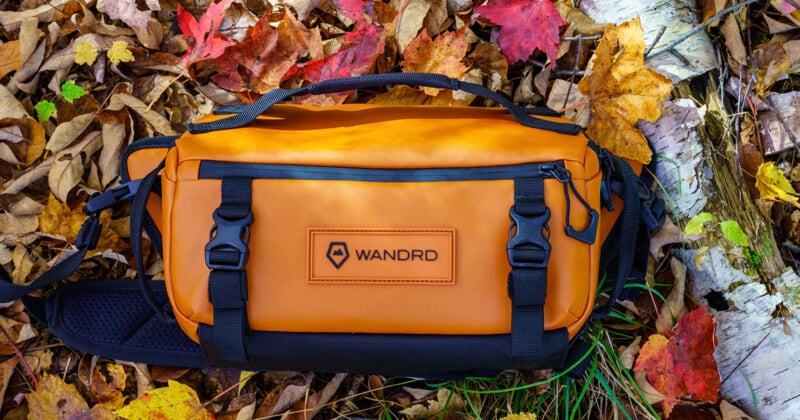
Central to Garibaldi’s workflow is the use of two distinct camera bag setups. Rather than attempting a "one size fits all" solution, she selects her carrying system based on the terrain and the likelihood of wildlife encounters. When the day is dedicated to traditional landscape work—hiking through trails to find the perfect vista of reds and golds—she prioritizes a compact profile.
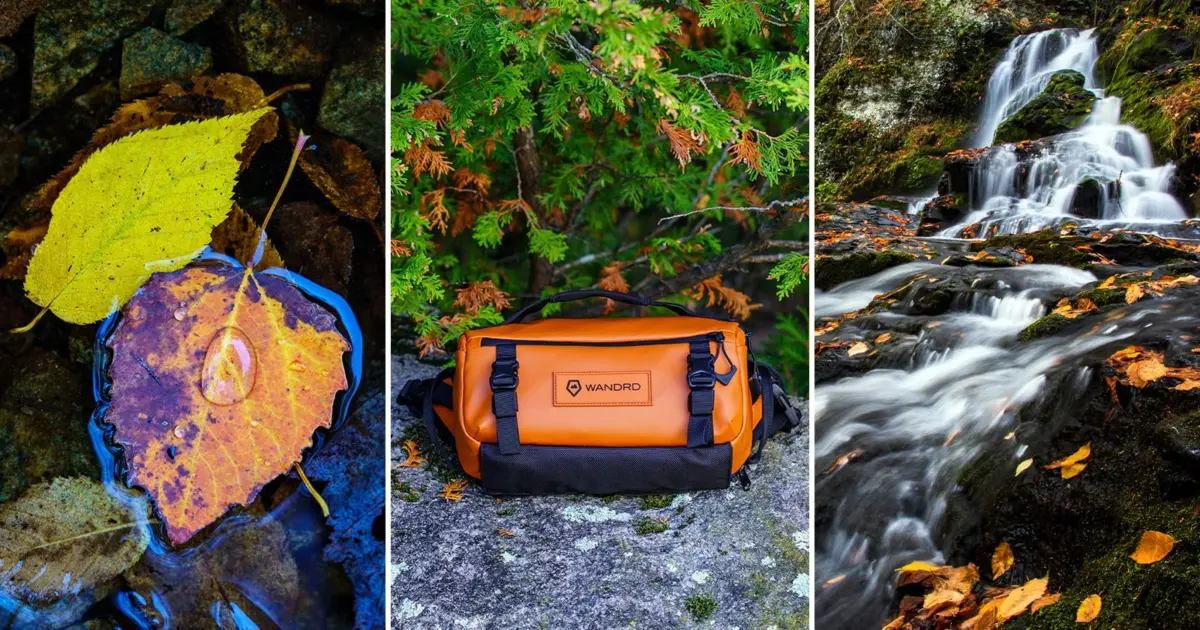
For these lighter excursions, Garibaldi utilizes the WANDRD Rogue Sling 9L, often opting for the Sedona Orange or Yuma Tan versions. The sling format allows for quick access and high mobility, which is essential when navigating uneven forest floors or rocky outcrops. Despite its small footprint, the Rogue Sling is designed with an array of internal pockets that allow for the organized storage of batteries, filters, and small accessories without the need for a cumbersome backpack.
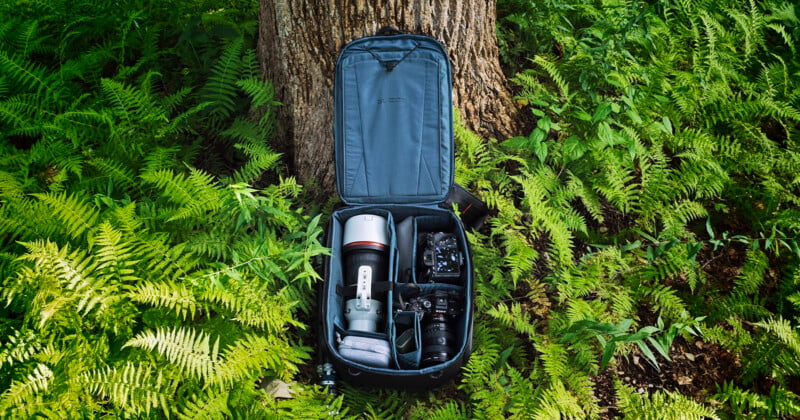
However, when the itinerary includes areas known for wildlife, such as elk habitats where long-distance reach is non-negotiable, she shifts to the PGYTECH OneMo 2. This larger backpack serves as her "everything but the kitchen sink" option. The primary motivator for this switch is the inclusion of heavy telephoto lenses. The OneMo 2 provides the necessary volume to carry long glass while maintaining ergonomic support for longer treks. This dual-bag strategy ensures that she is never over-encumbered during a simple landscape hike, nor under-equipped when a rare wildlife moment presents itself in the distance.

The Core Imaging System: High Resolution and Specialized Glass
Garibaldi’s current imaging core is built around the Sony a7R IV. The camera’s high-resolution sensor is particularly well-suited for autumn photography, where the intricate textures of fallen leaves and the fine details of forest canopies require significant resolving power. This resolution also offers a safety net for wildlife photography, allowing for tighter crops while maintaining professional-level image quality.
Her lens selection is a mixture of personal staples and rotating review units, reflecting her role as a gear tester. Currently, her kit includes a diverse range of focal lengths to cover every eventuality: